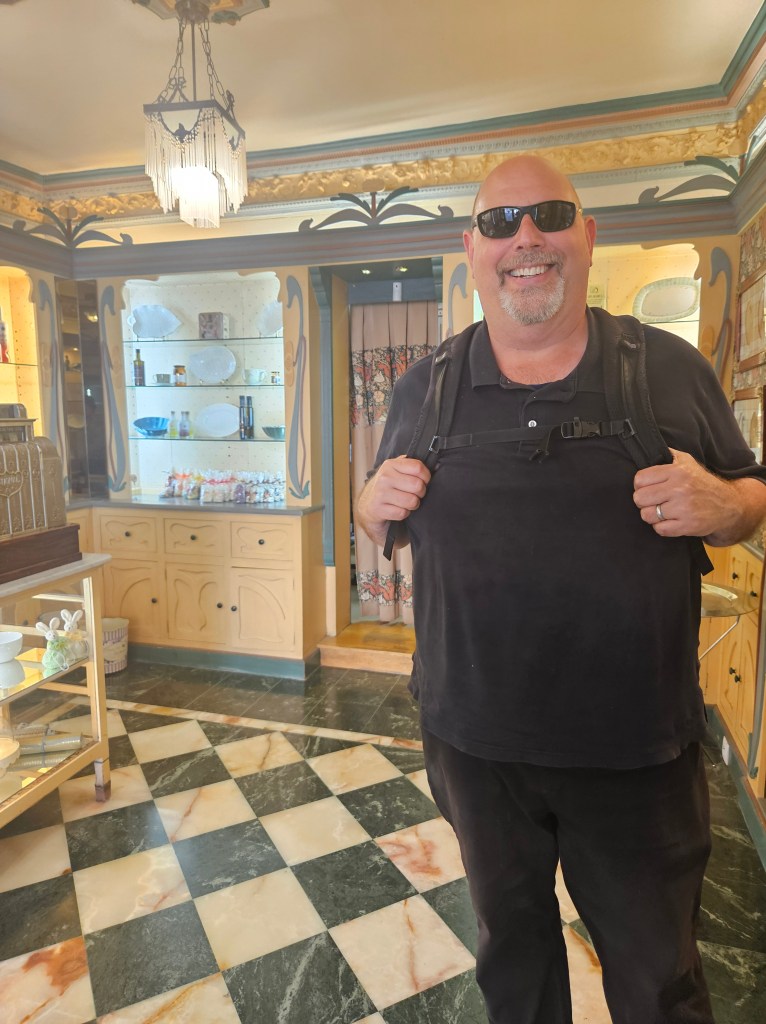
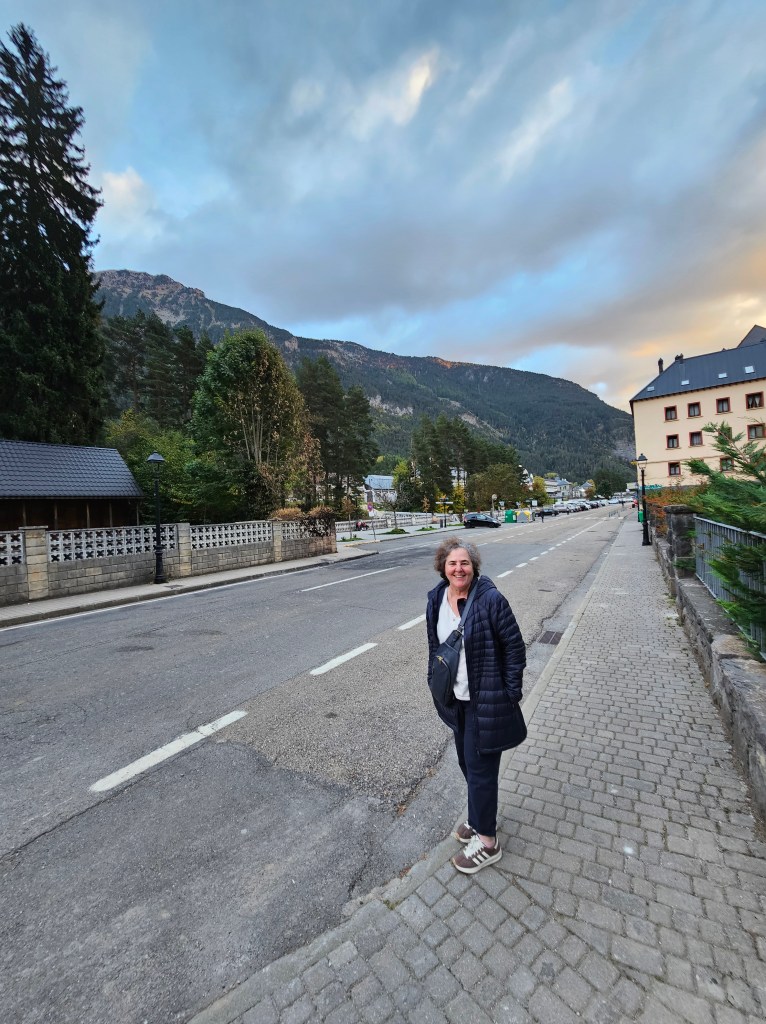
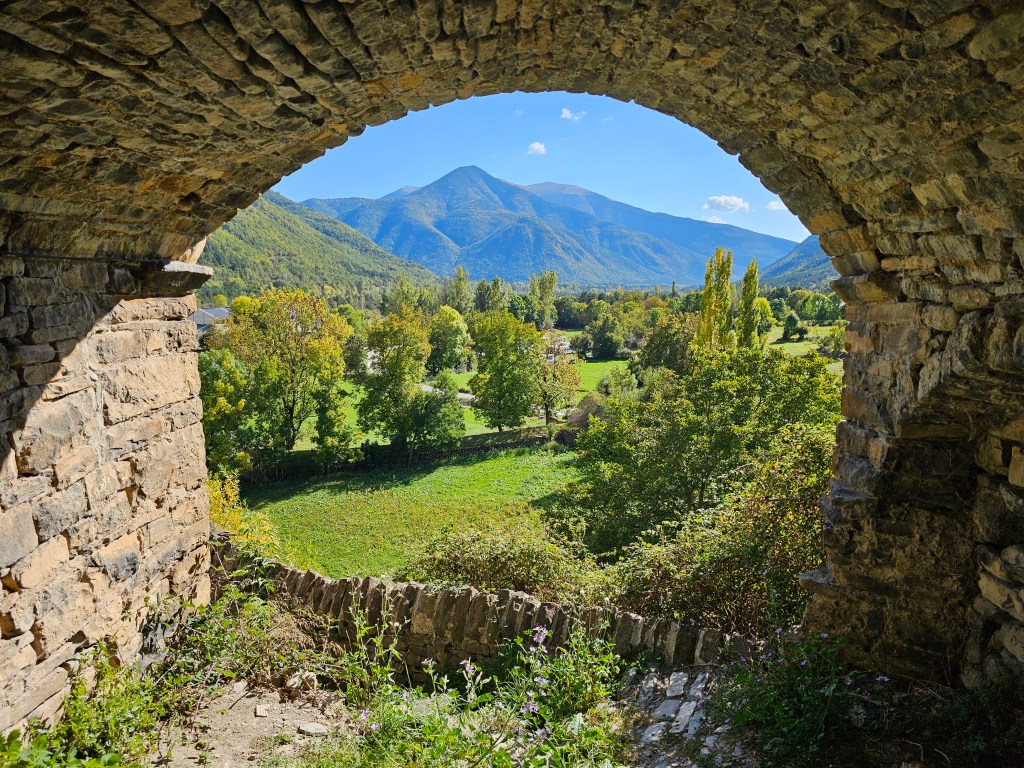
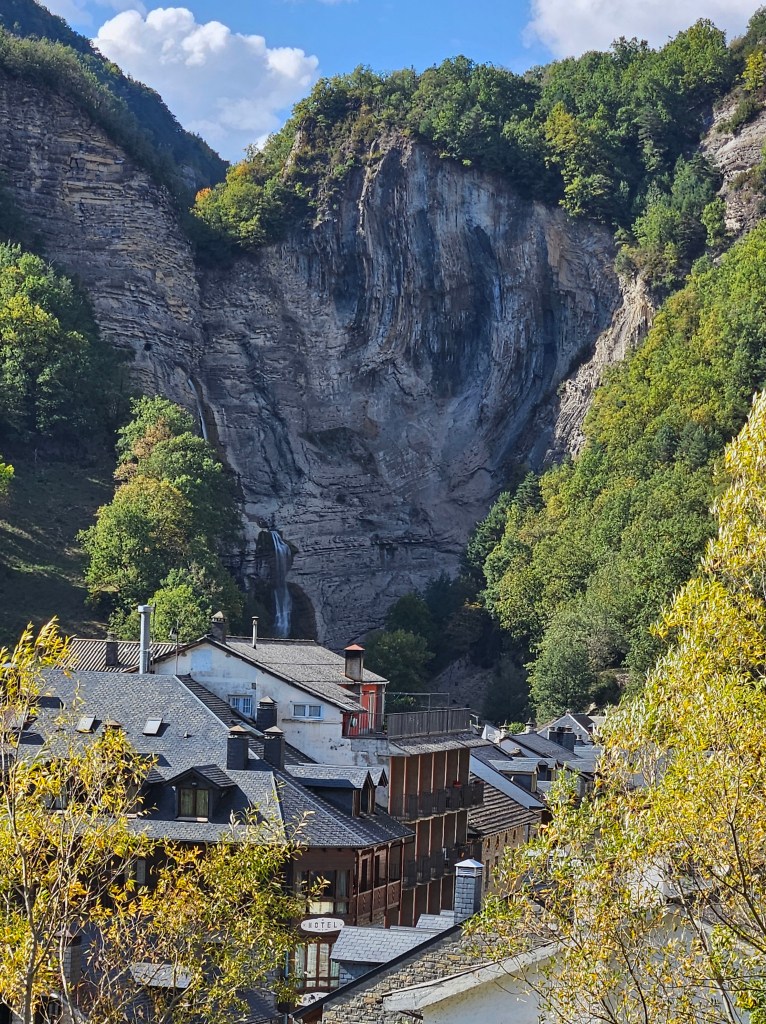
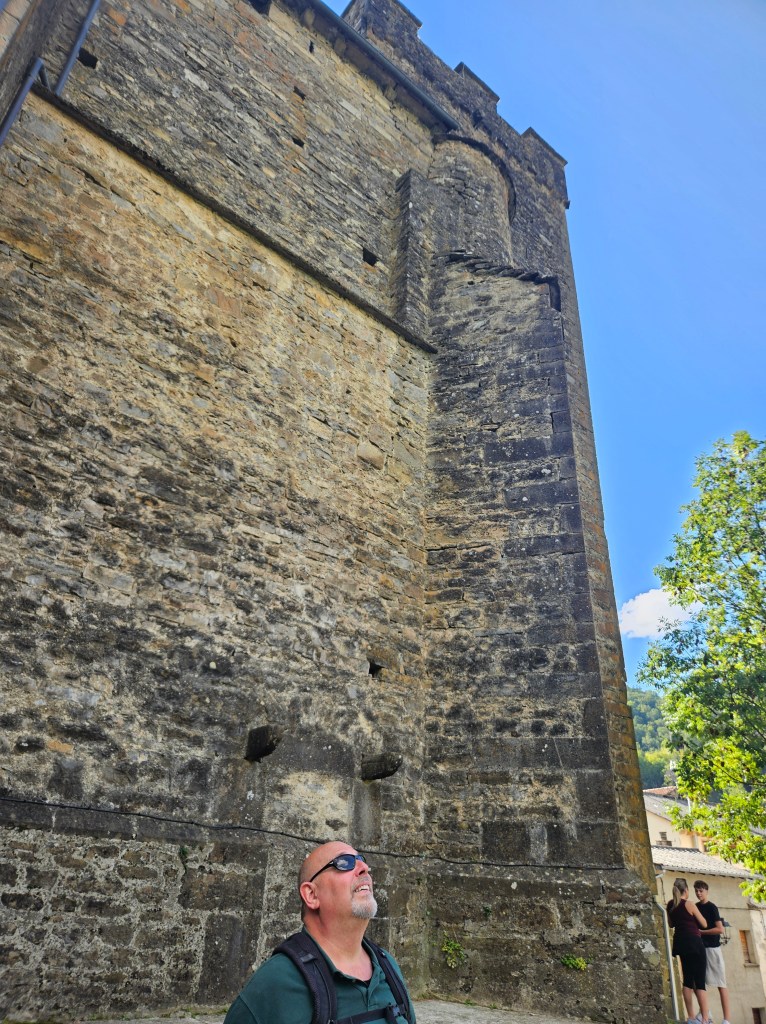
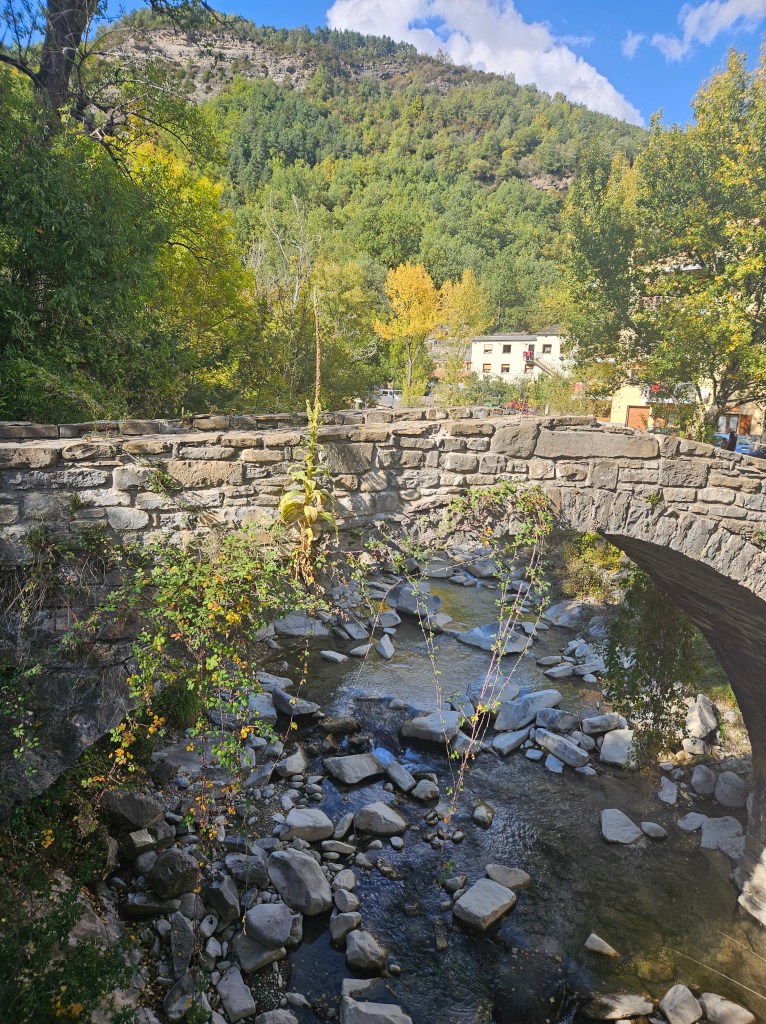
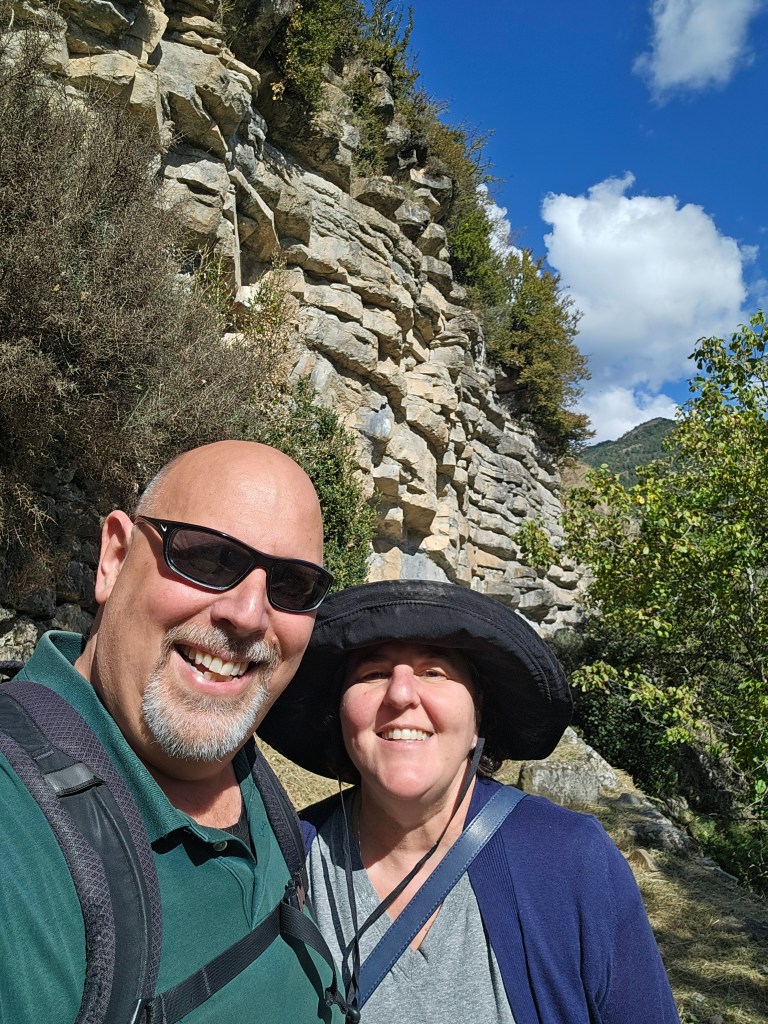
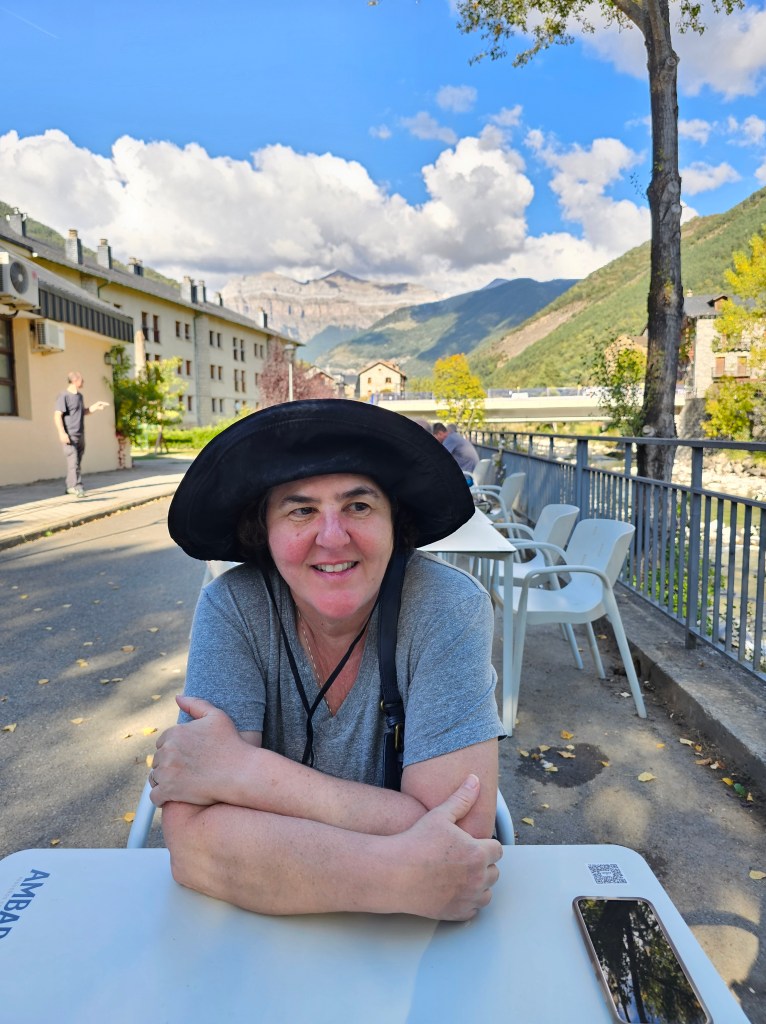
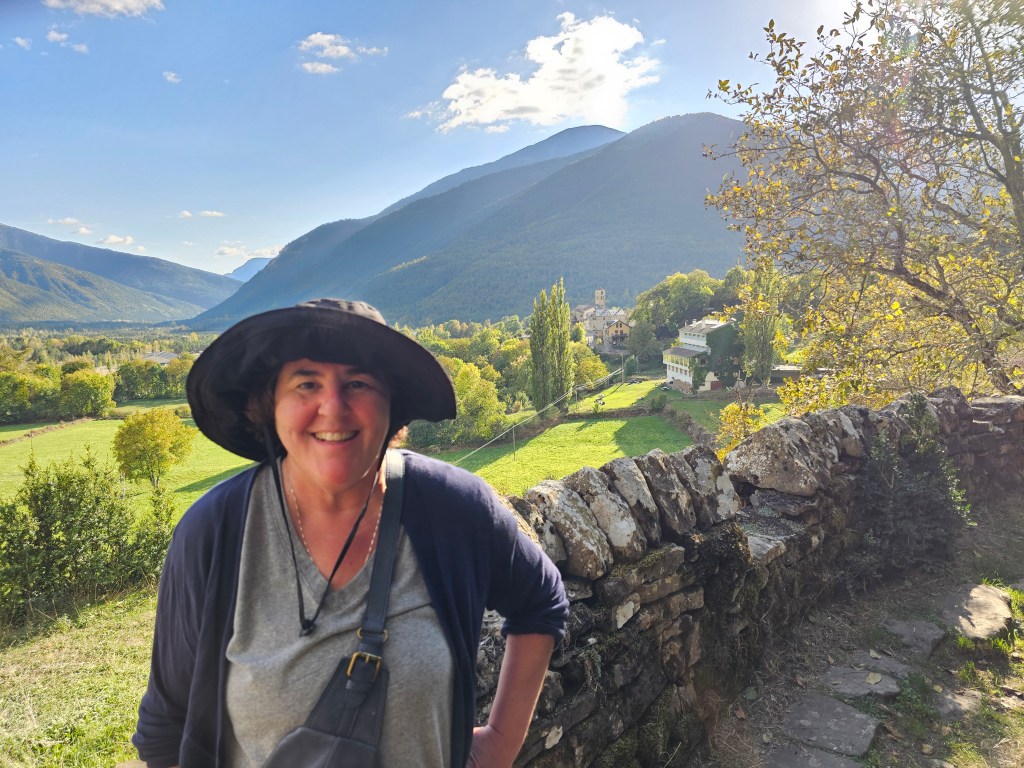
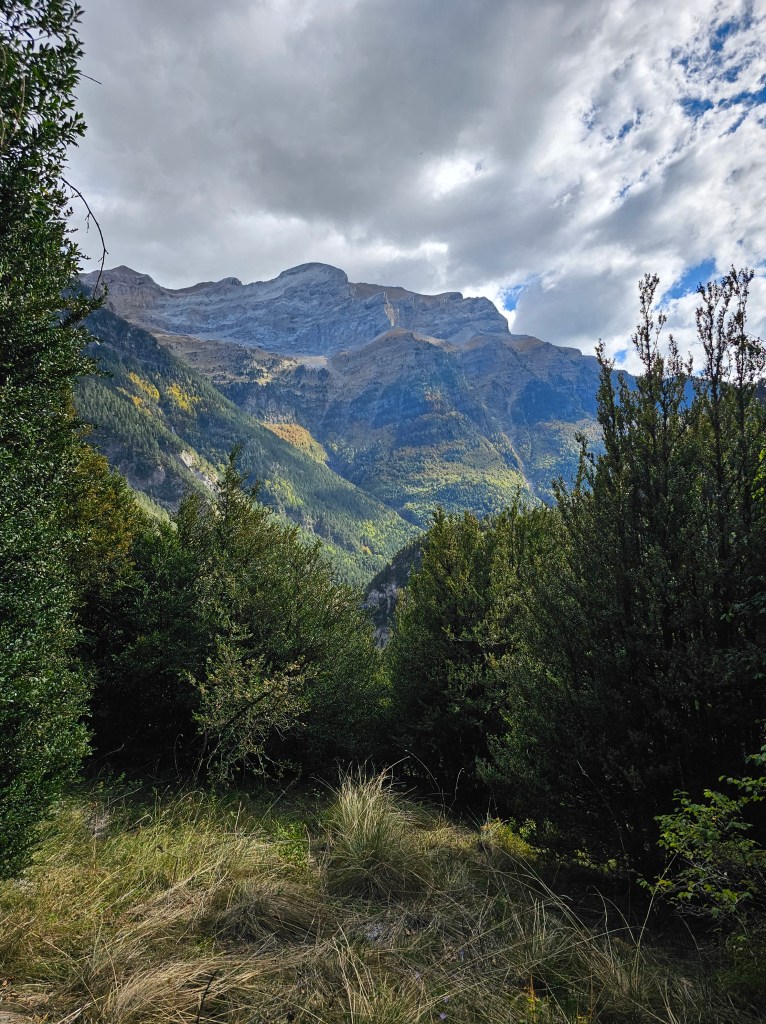
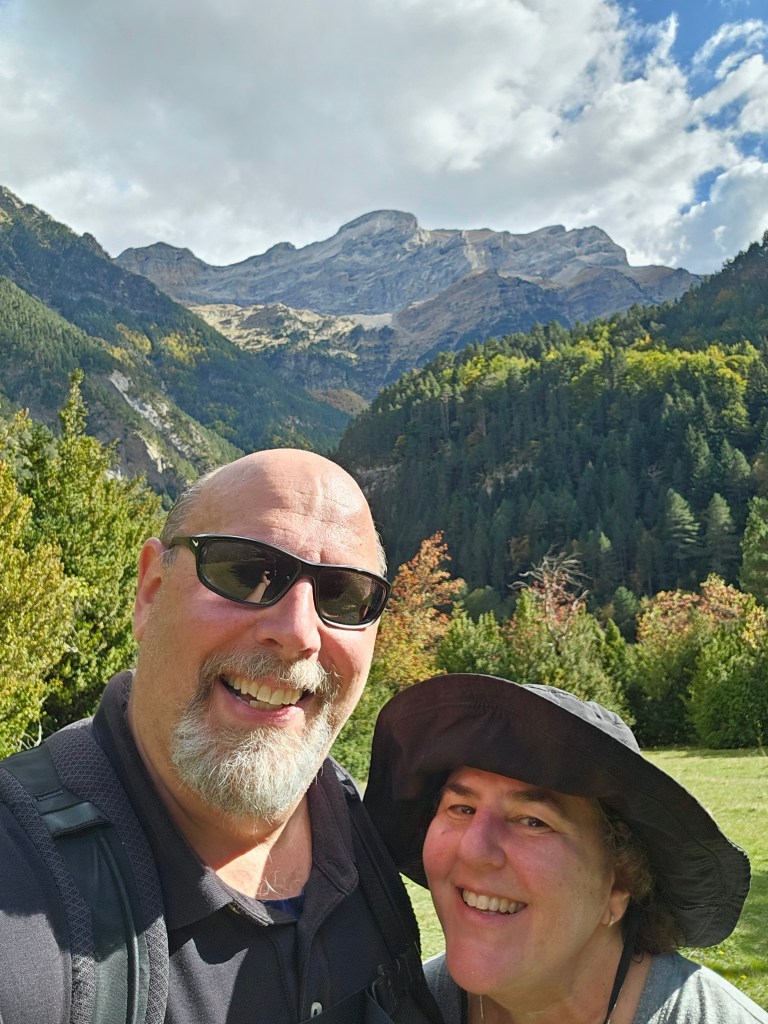
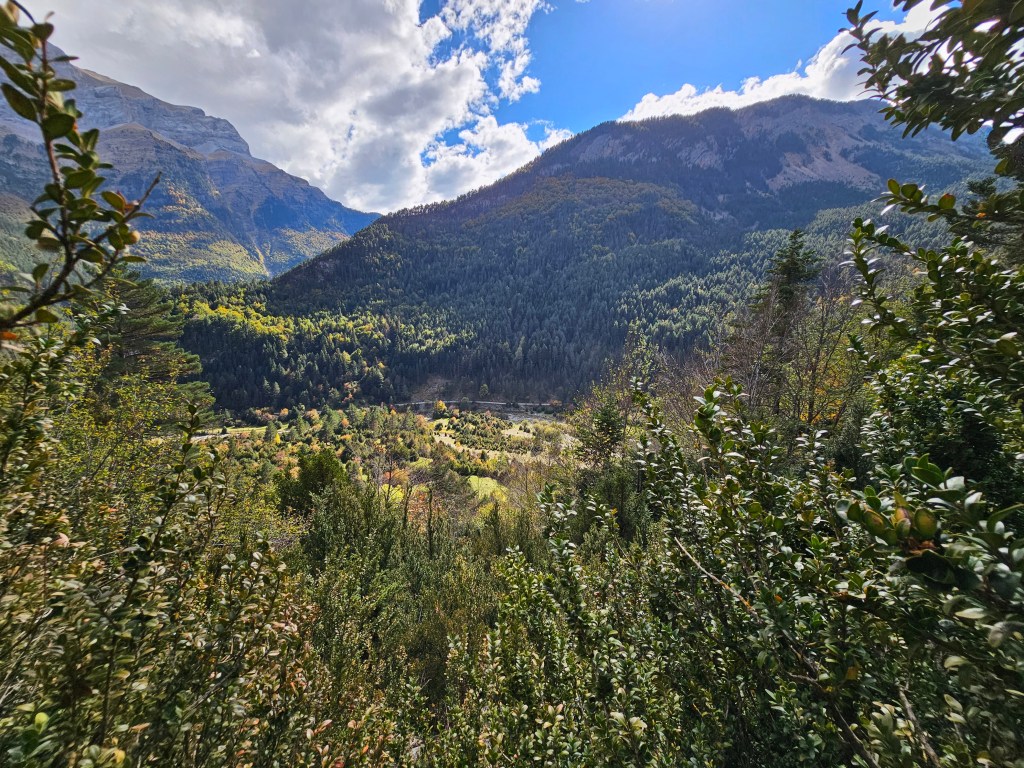
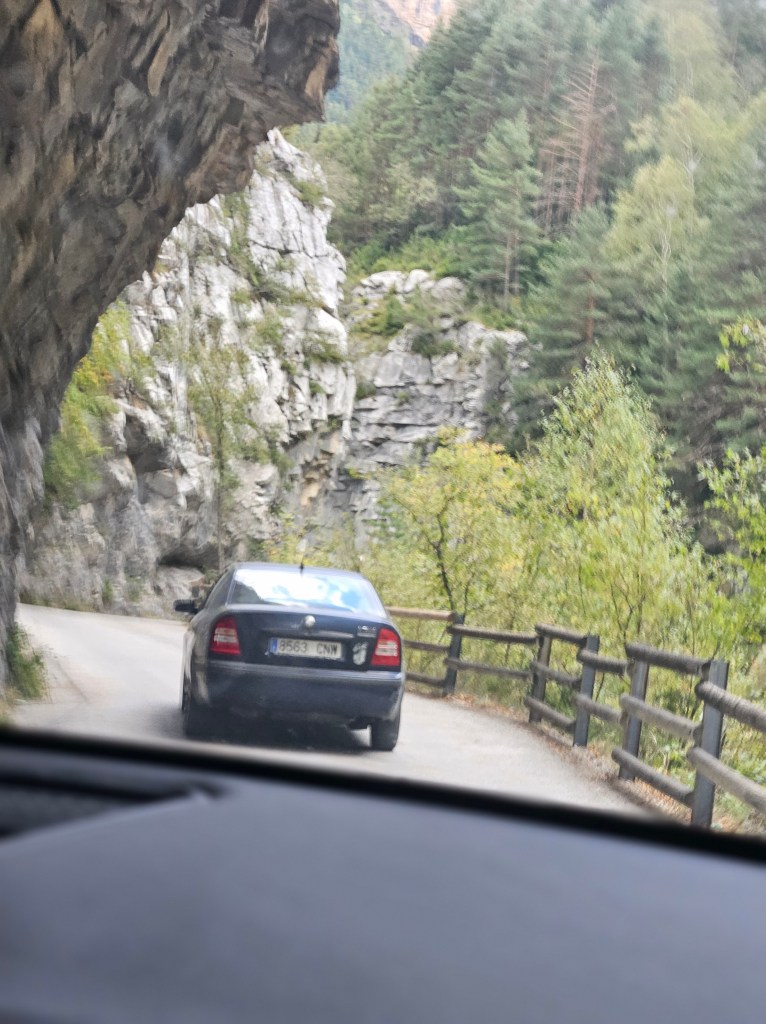
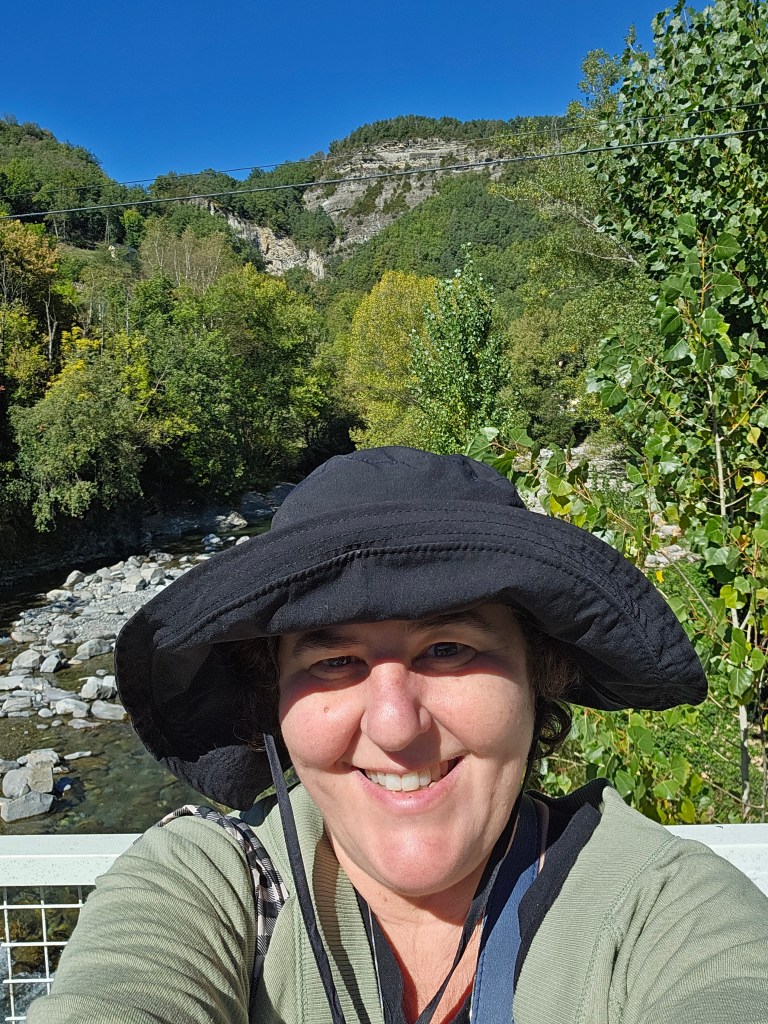
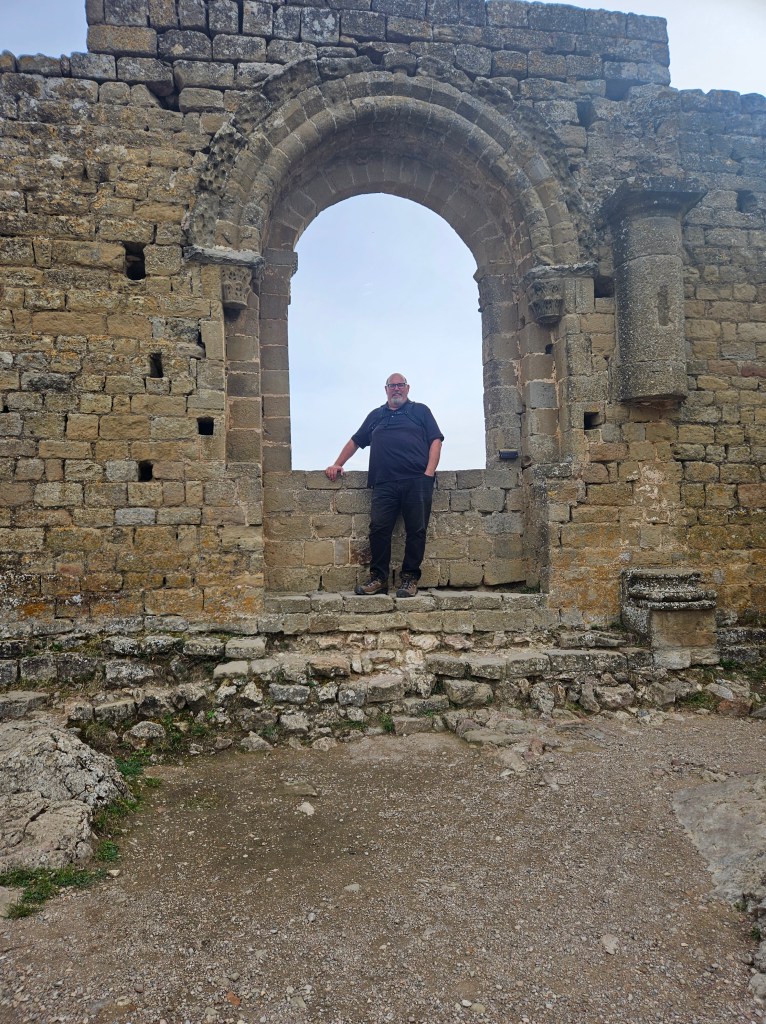
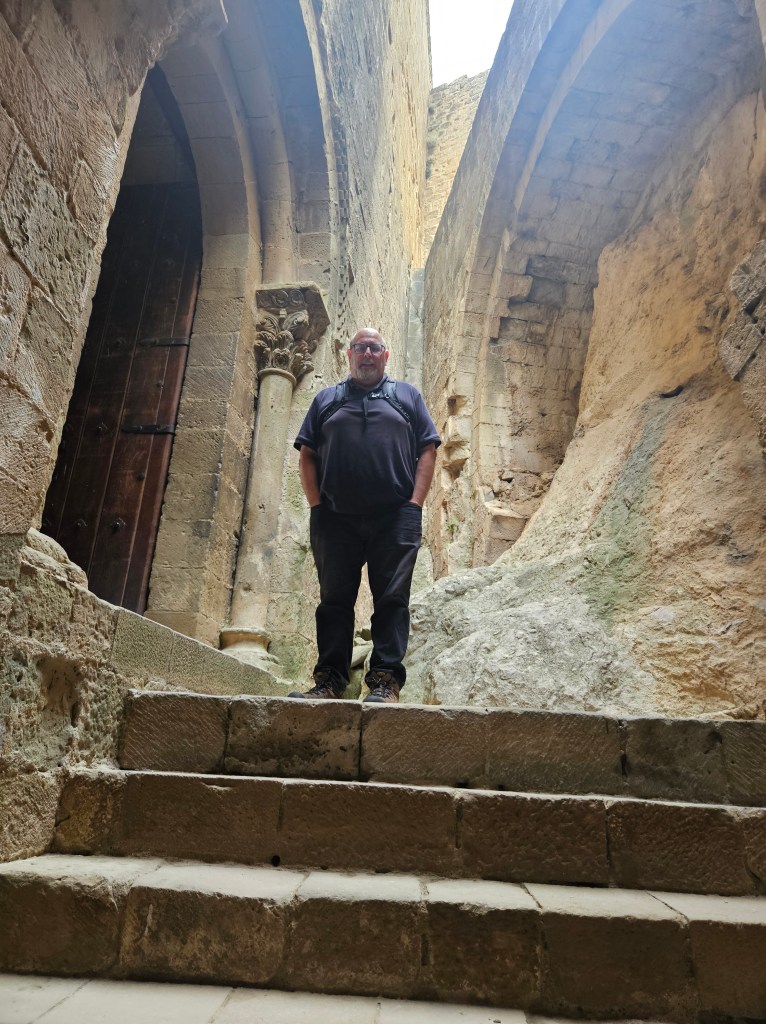
• We have reached the hub of our trip, a bit past halfway through. To end our Pyrenees travels, we booked a couple of nights at a fancy hotel in Canfranc Estación, near the French border. It was just a couple of hours from our beloved Broto. We got an early start out, stopping at a larger town in the foothills, Jaca, before heading right back up into the mountains.

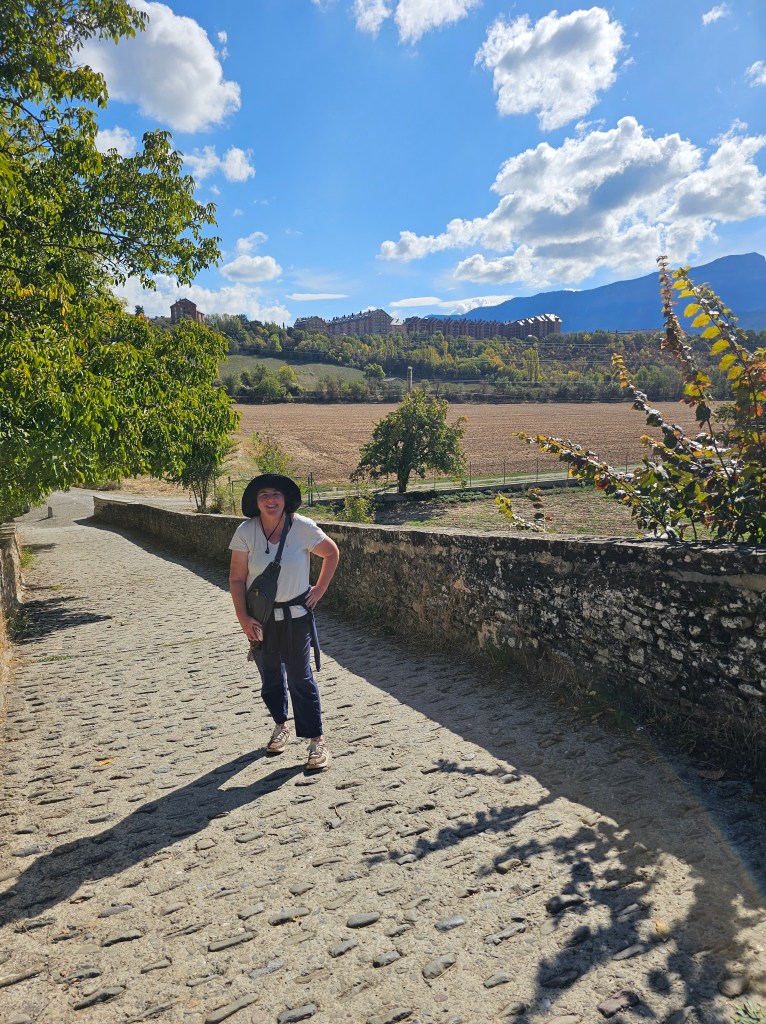
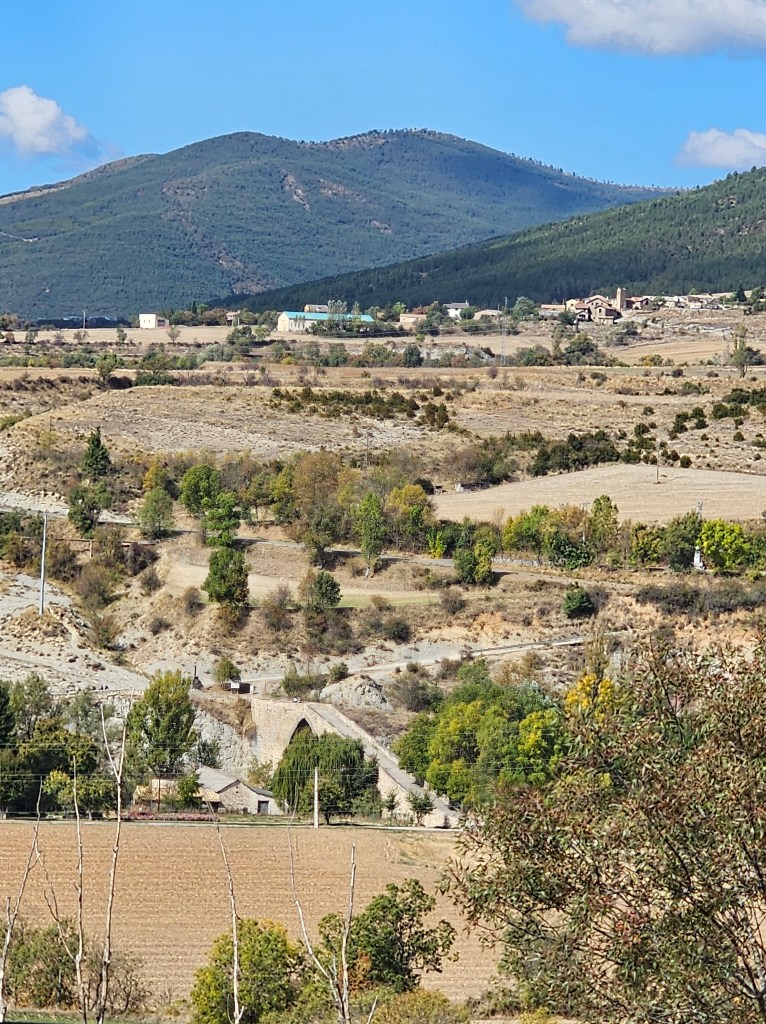
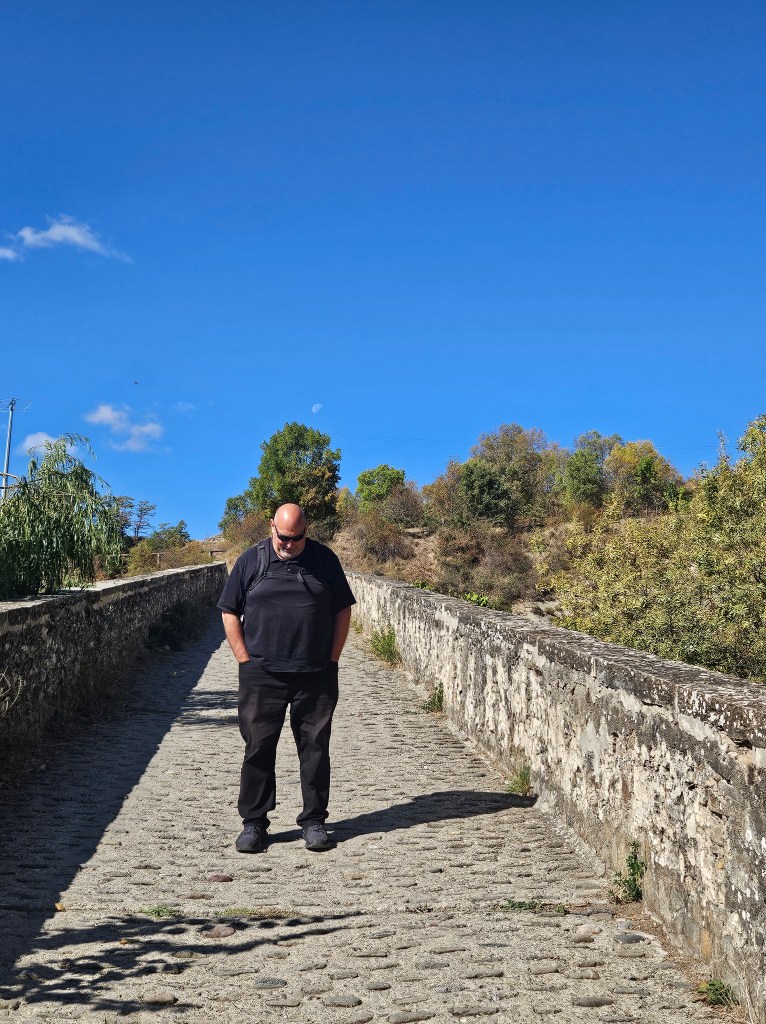
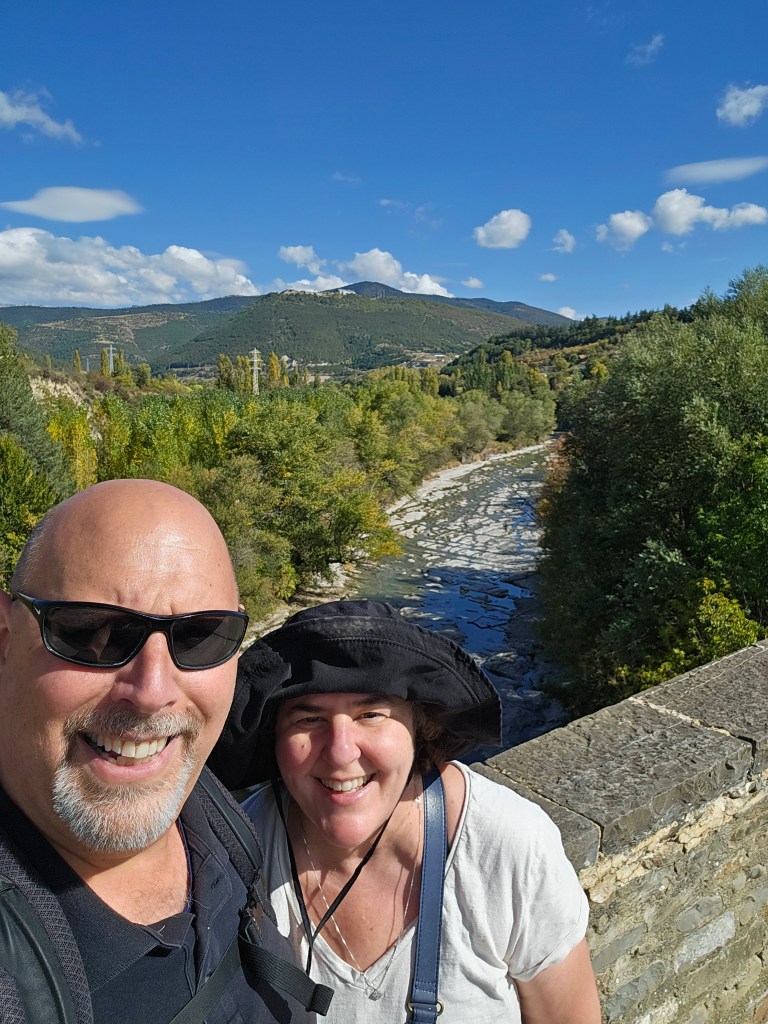
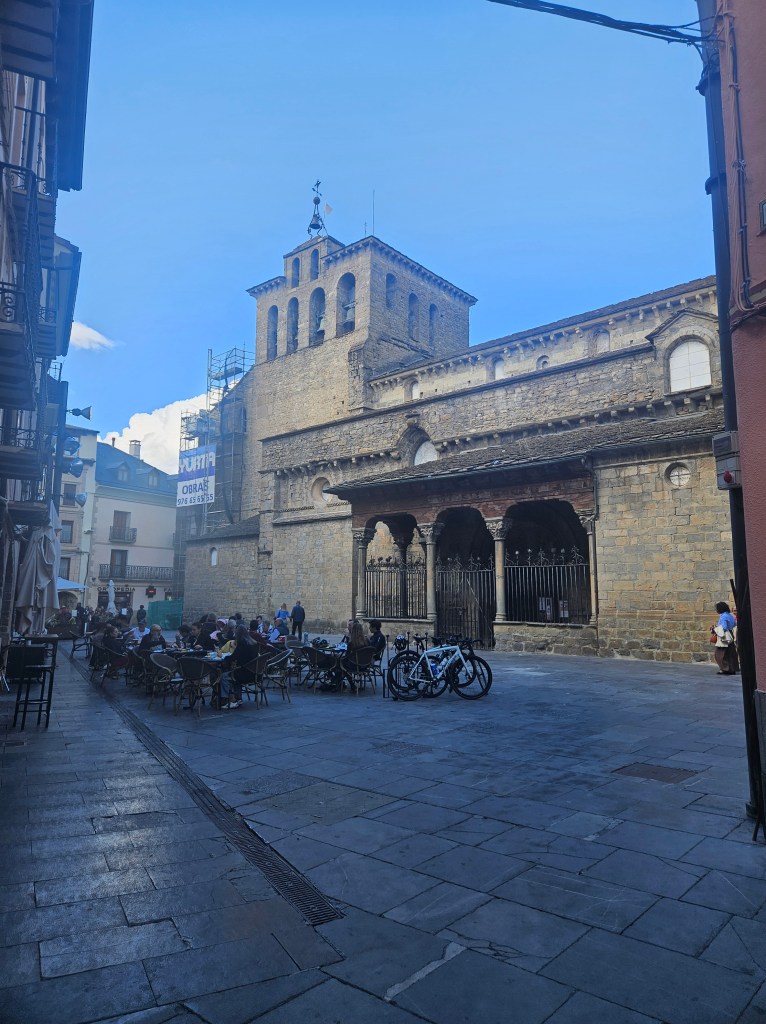
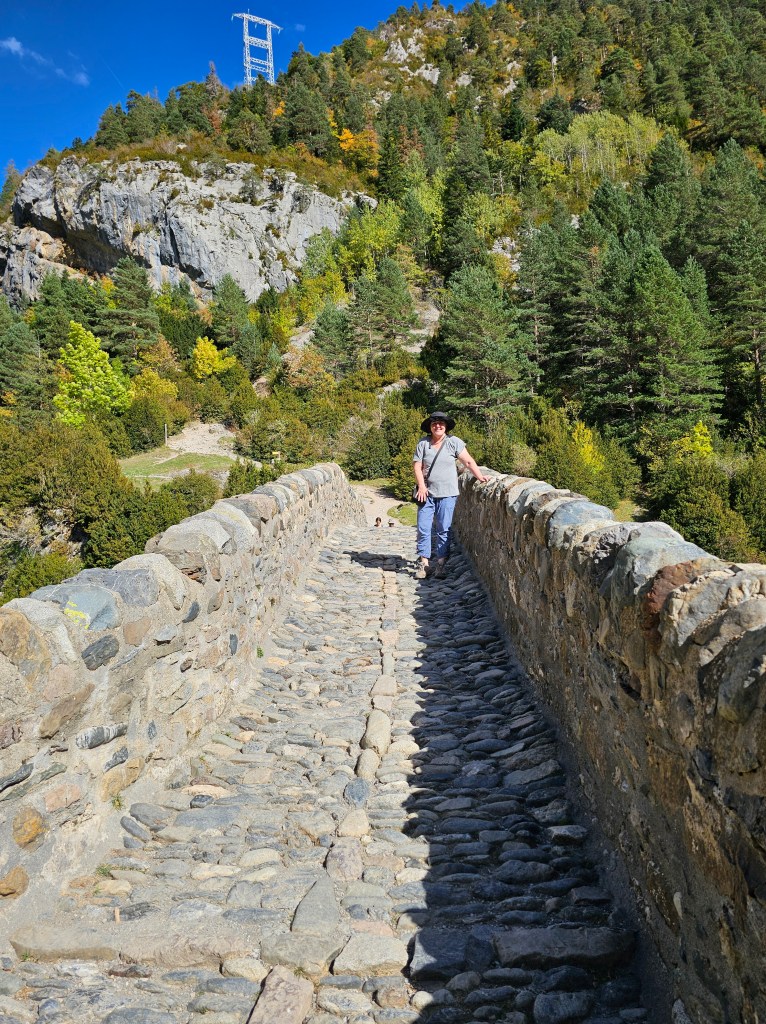
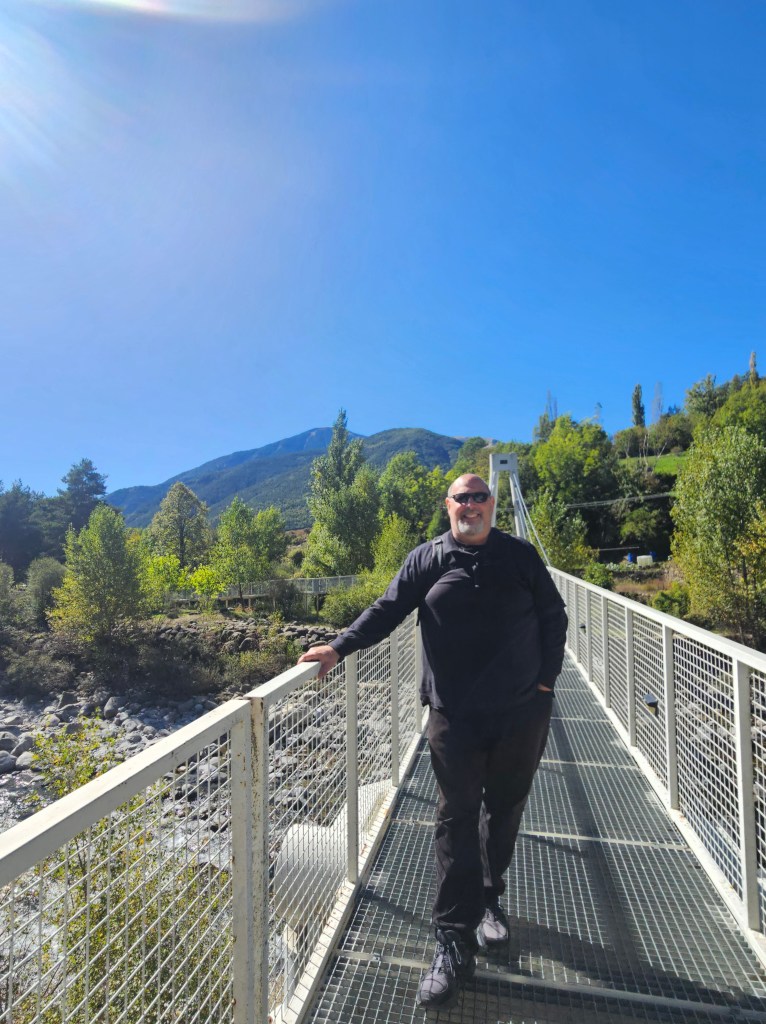
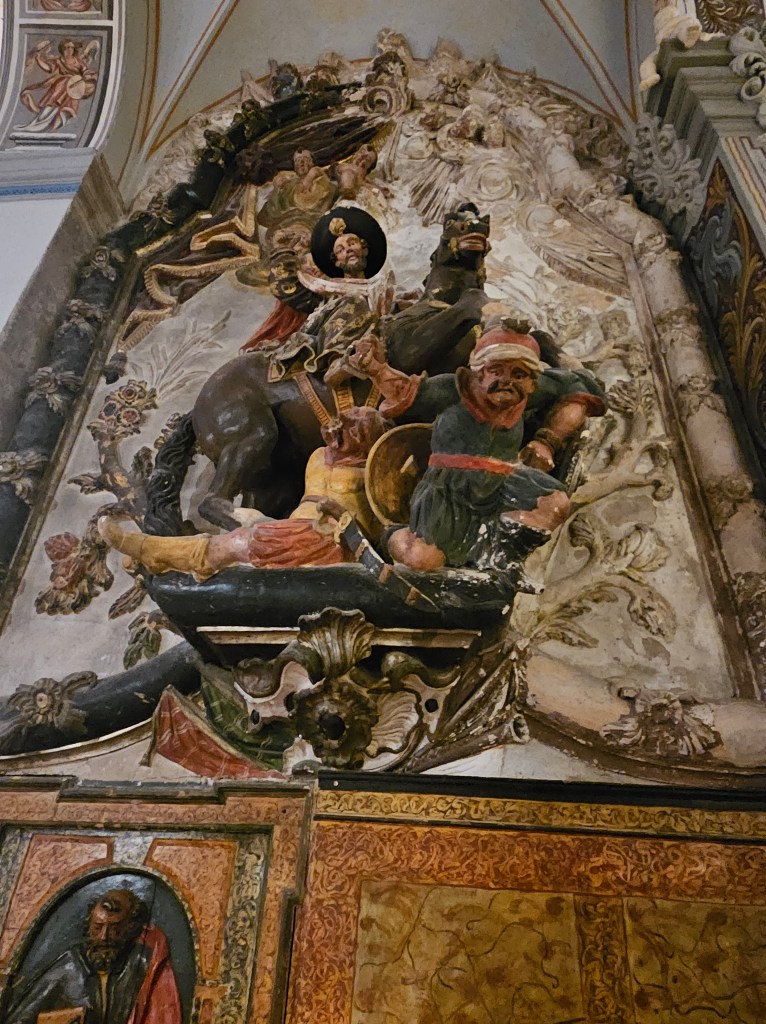
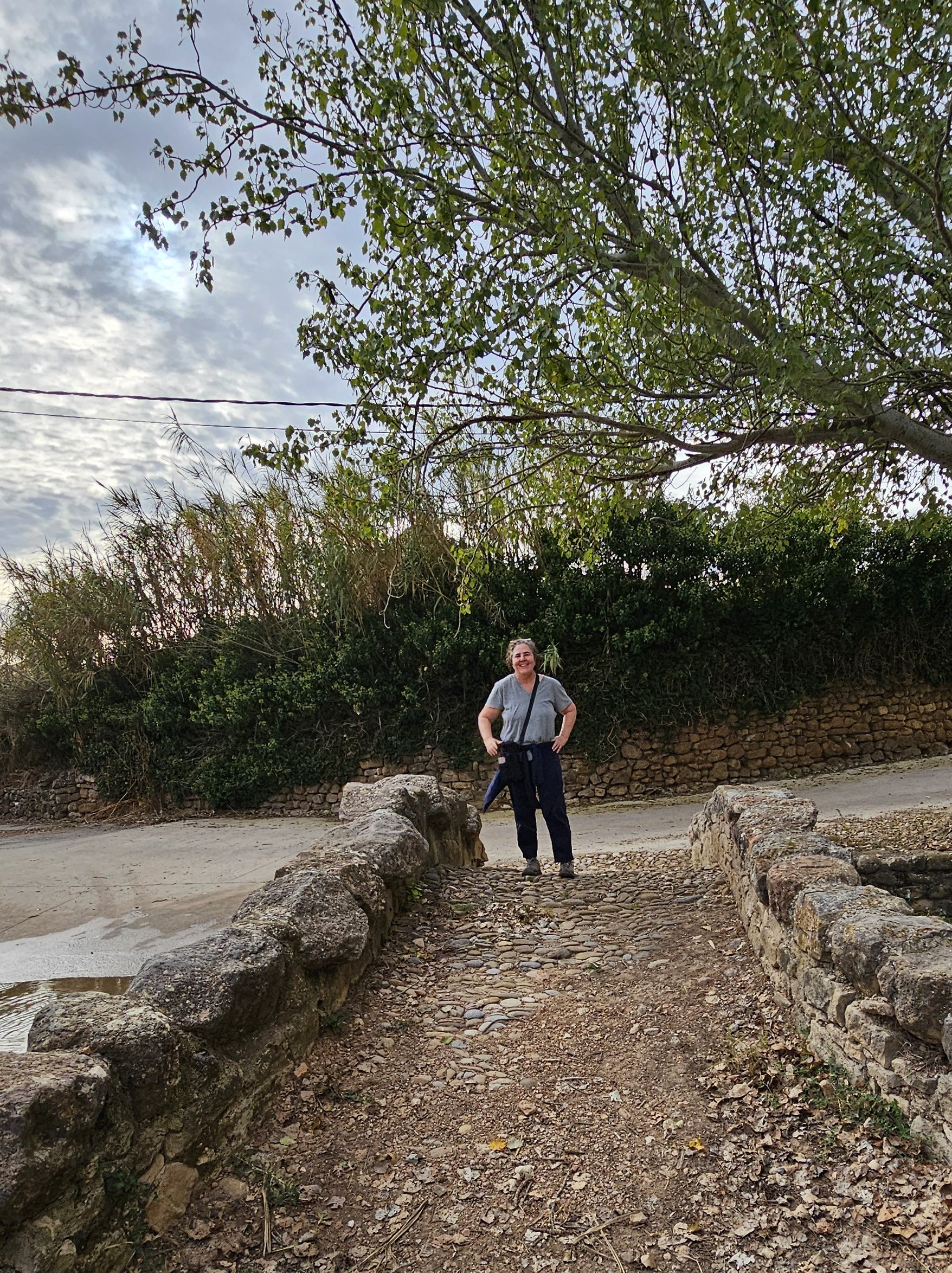
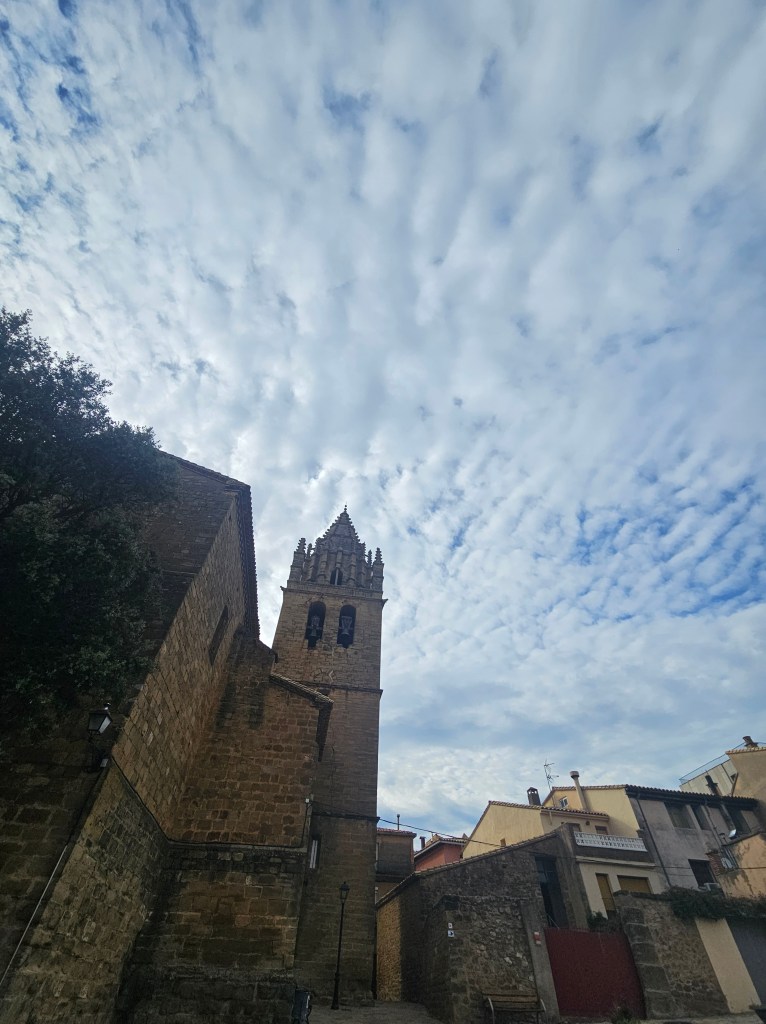
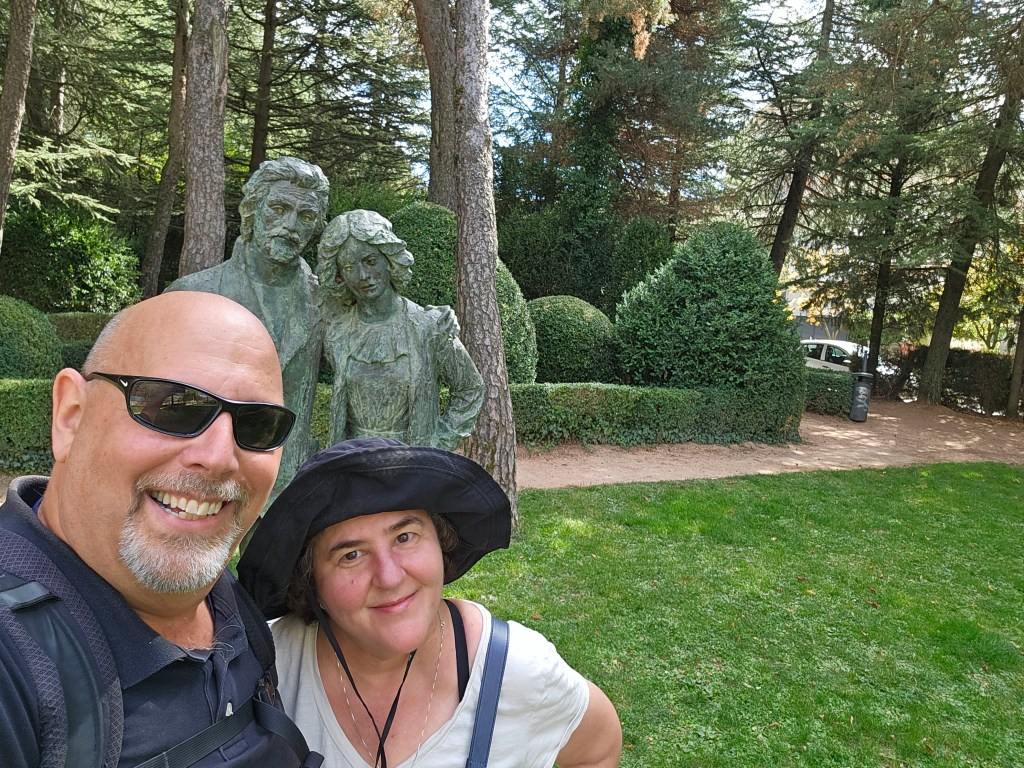
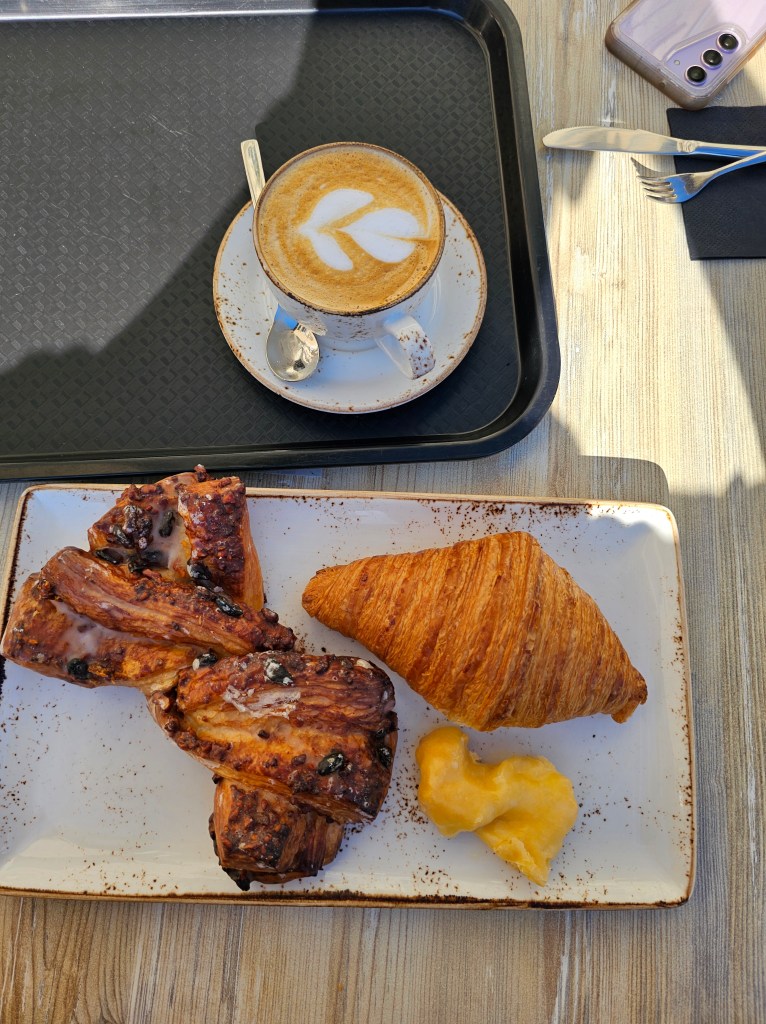
    In Jaca, we had breakfast at a patisserie and wandered around the old town, walking out to an old bridge over the Aragon River.
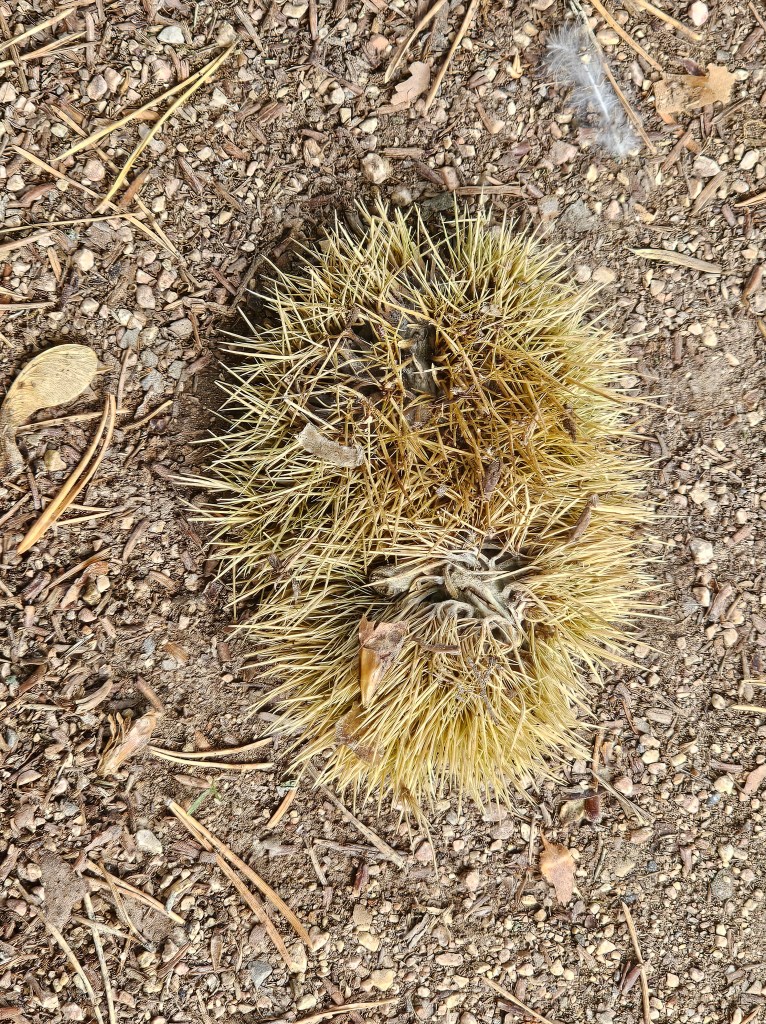
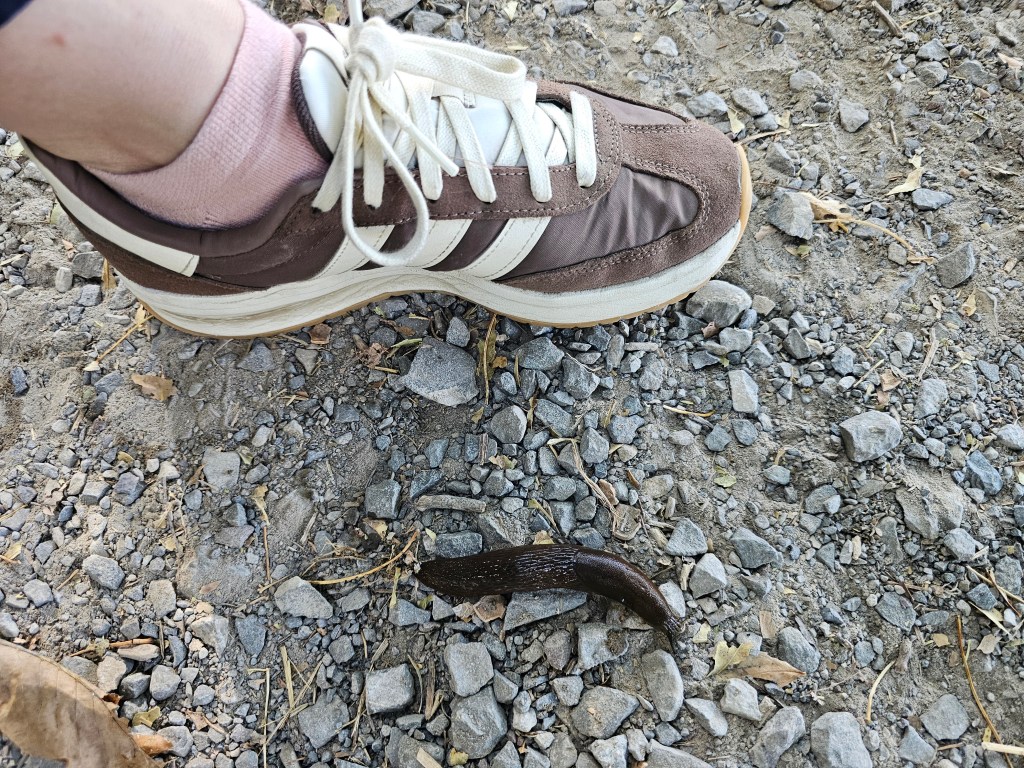
    Emily found a slug of unusual size.
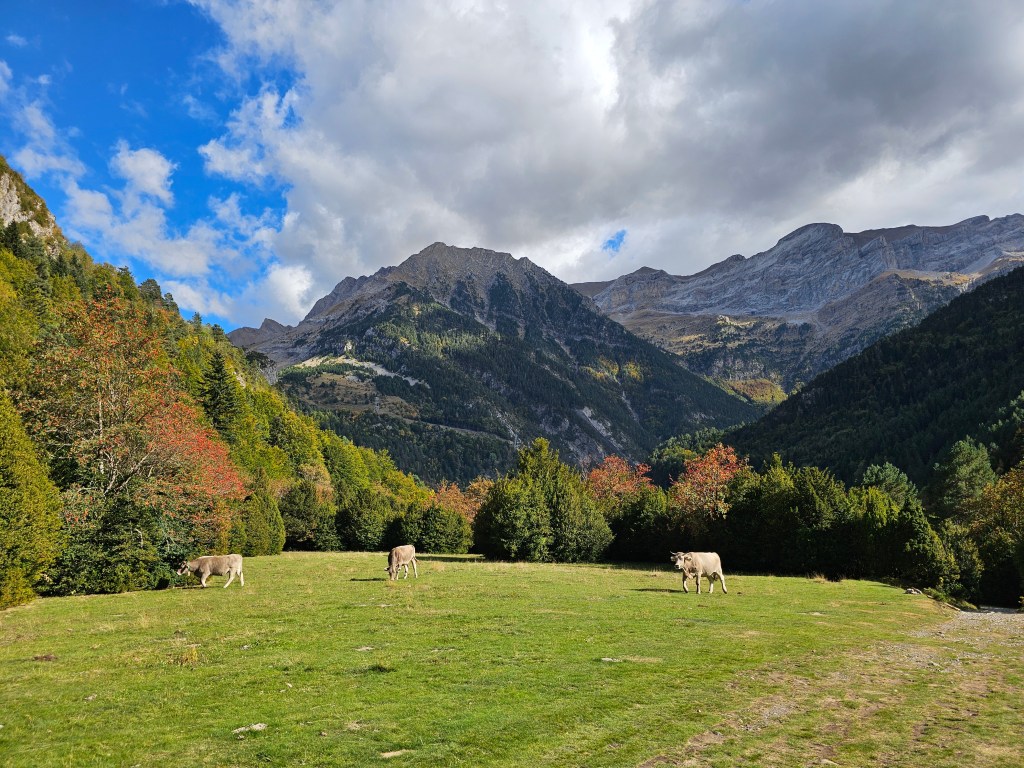
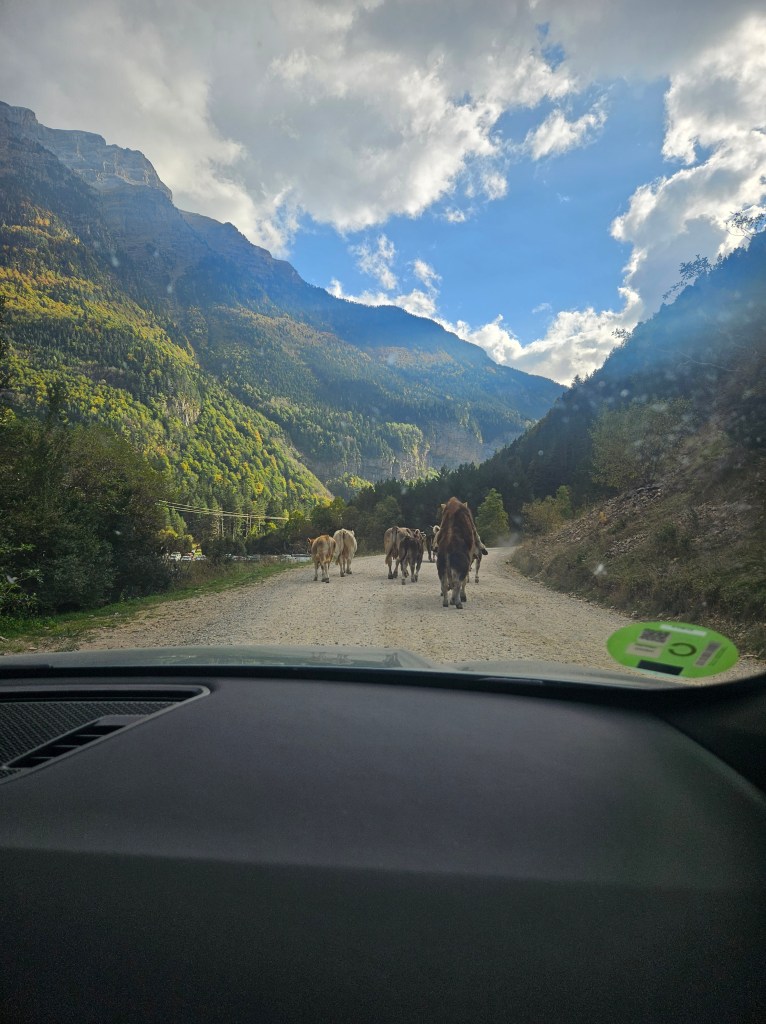
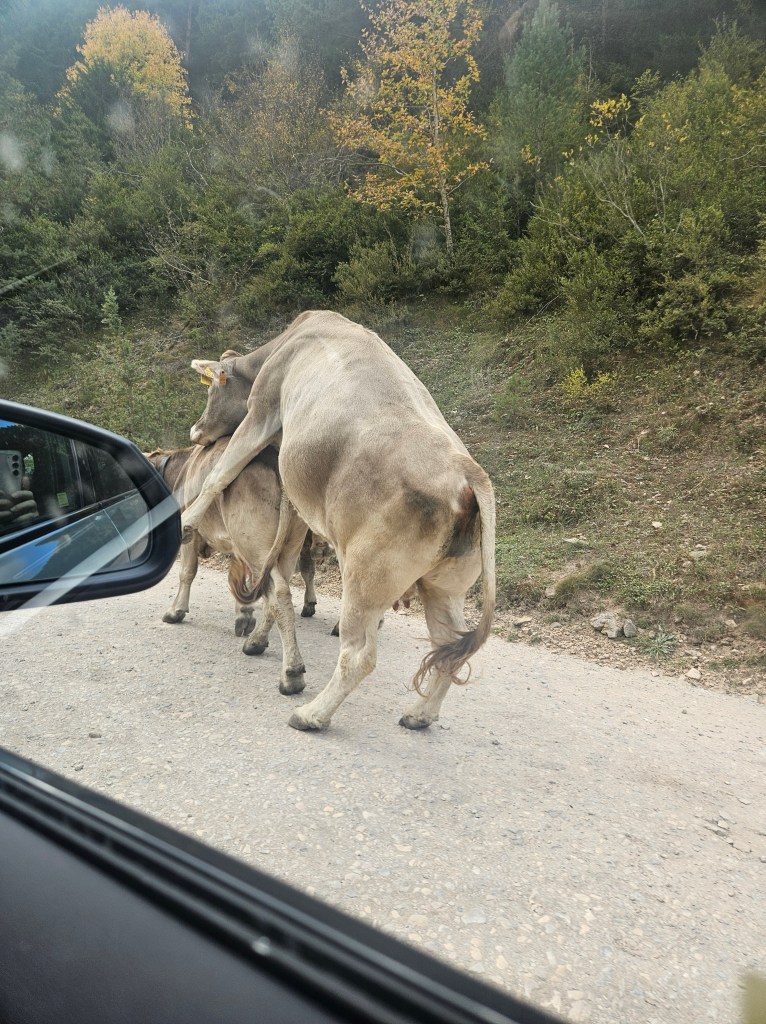
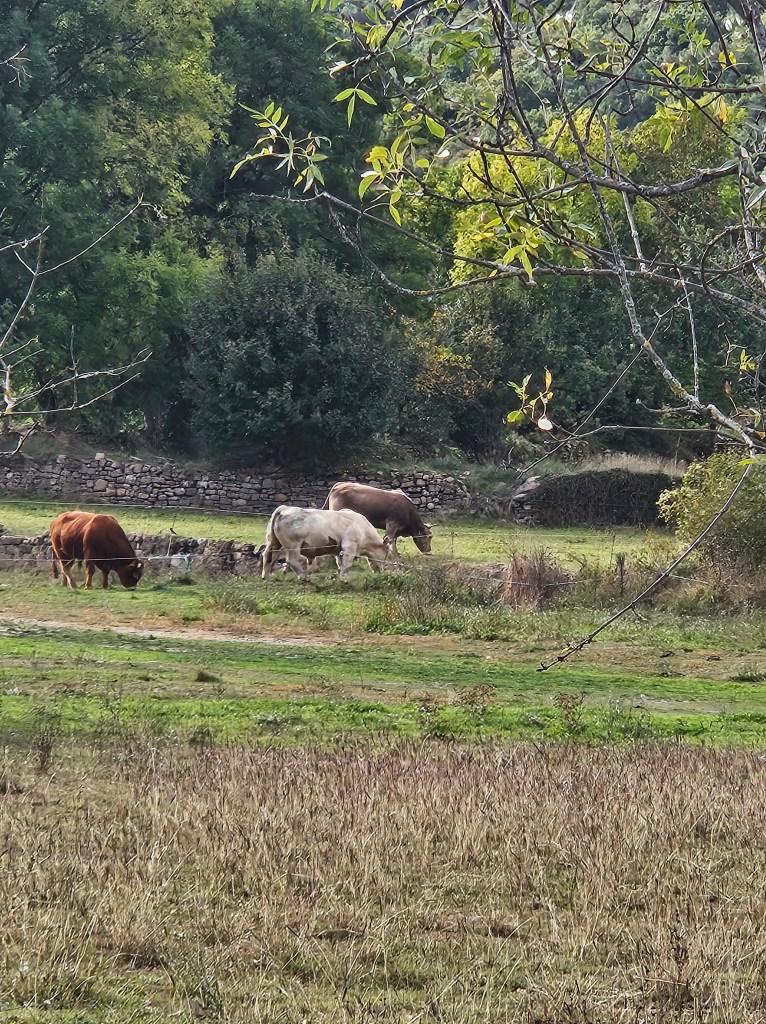
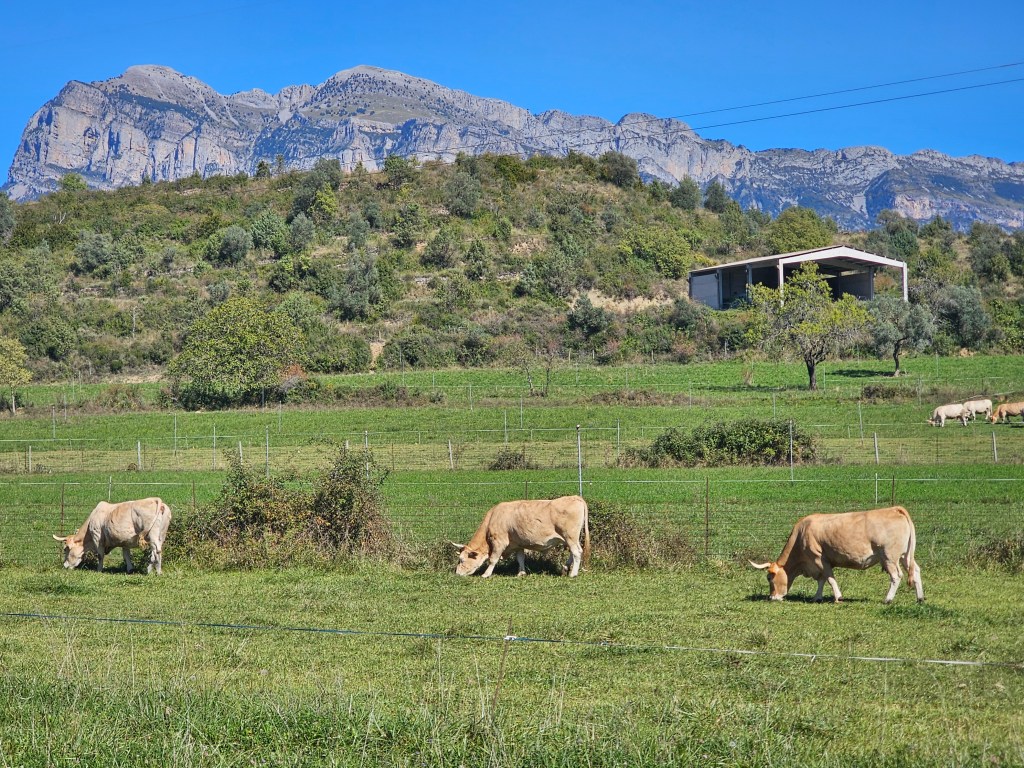
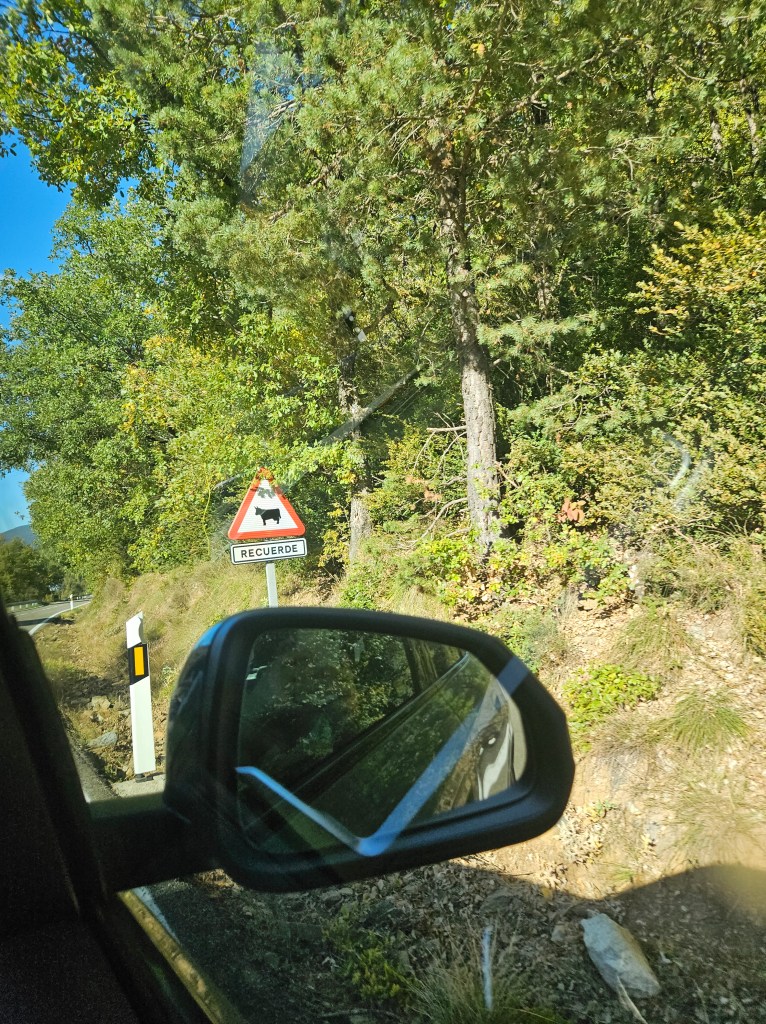
    As always when driving in the Pyrenees, we had to watch for cows.
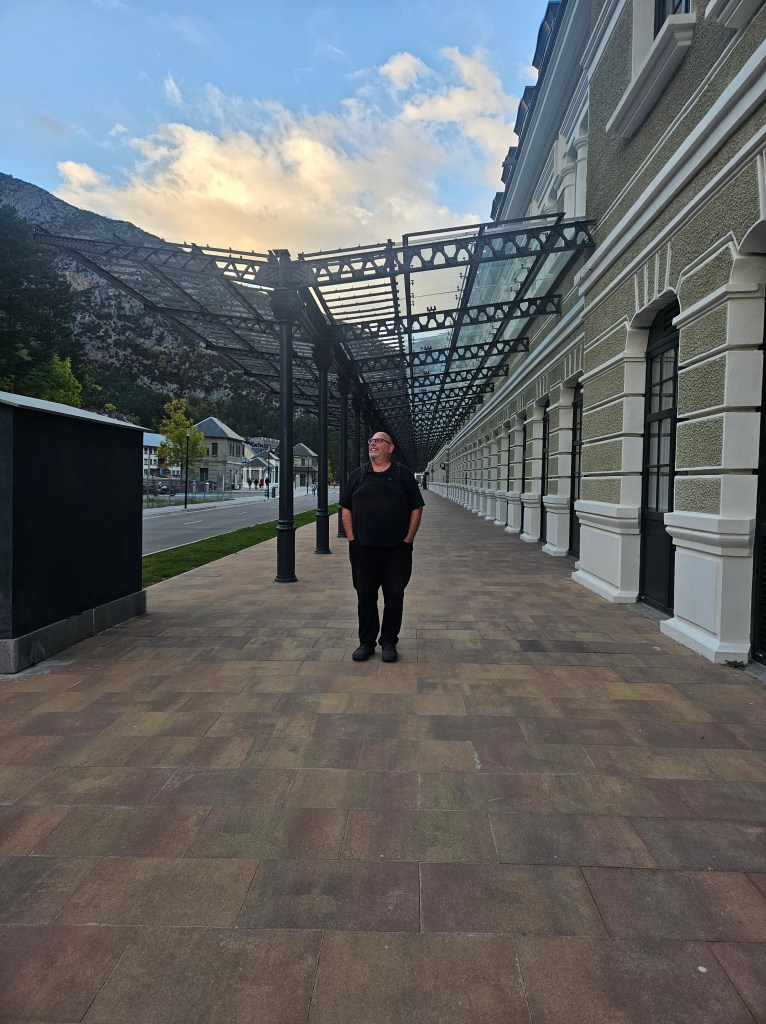
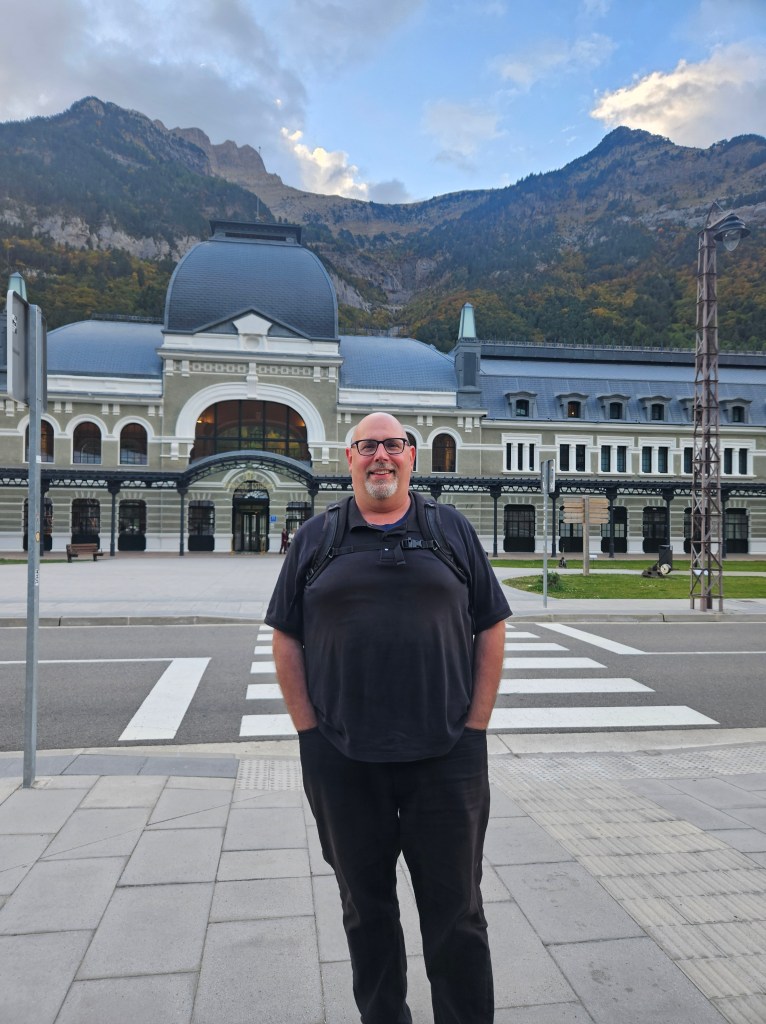
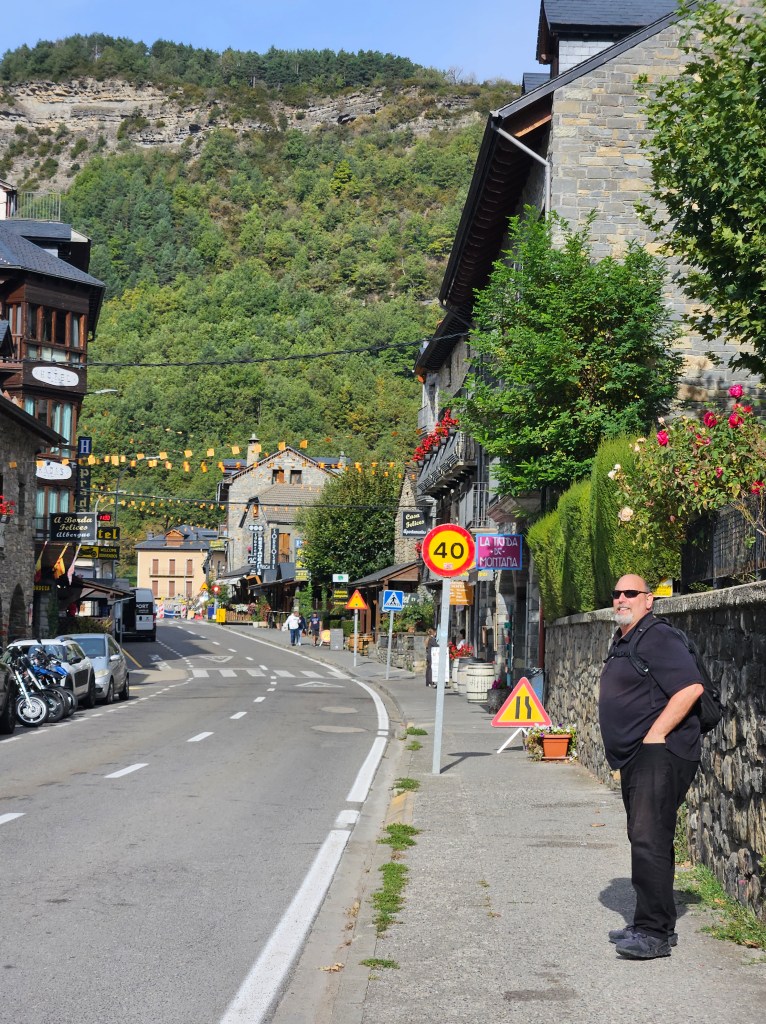
    Canfranc Estacion is an odd little town, just north of Canfranc. It was built in the 1920s around an ambitious public works project, a train station that was supposed to serve travelers between the two countries.
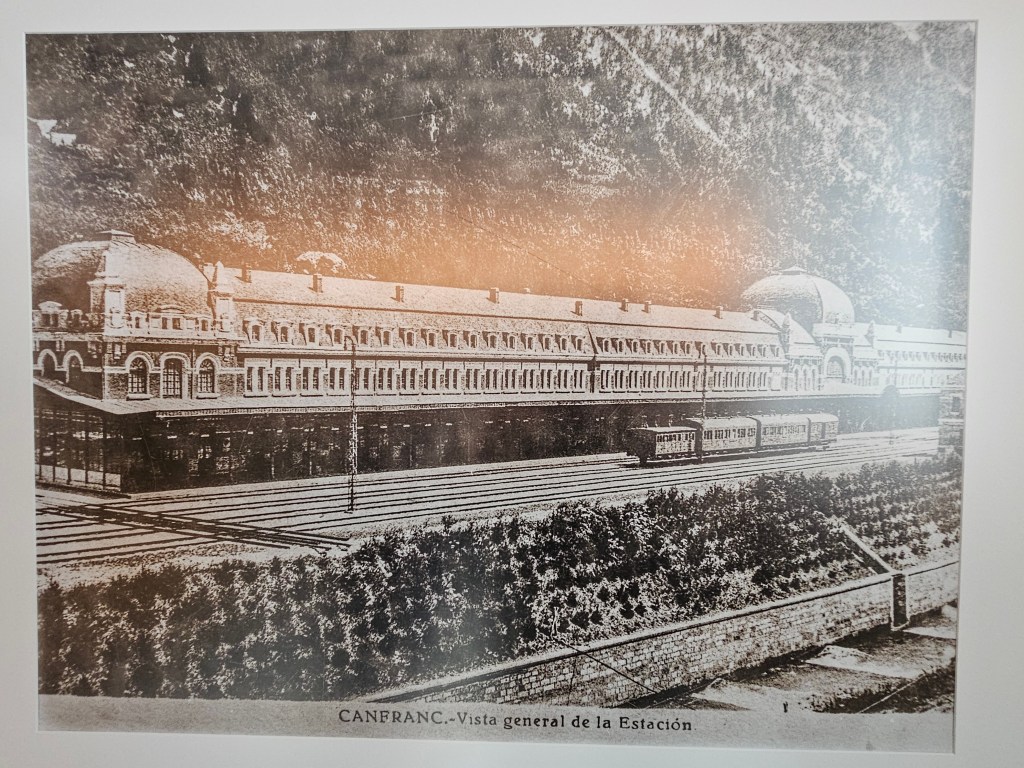
    The trains ran through about 1970, but never as much as imagined. Wikipedia says it was known as the Casablanca of the Pyrenees in WWII, which makes some sense. The station was closed and, we hear, fell decrepit. Over the past decade, it was refurbished and turned into a fancy hotel.
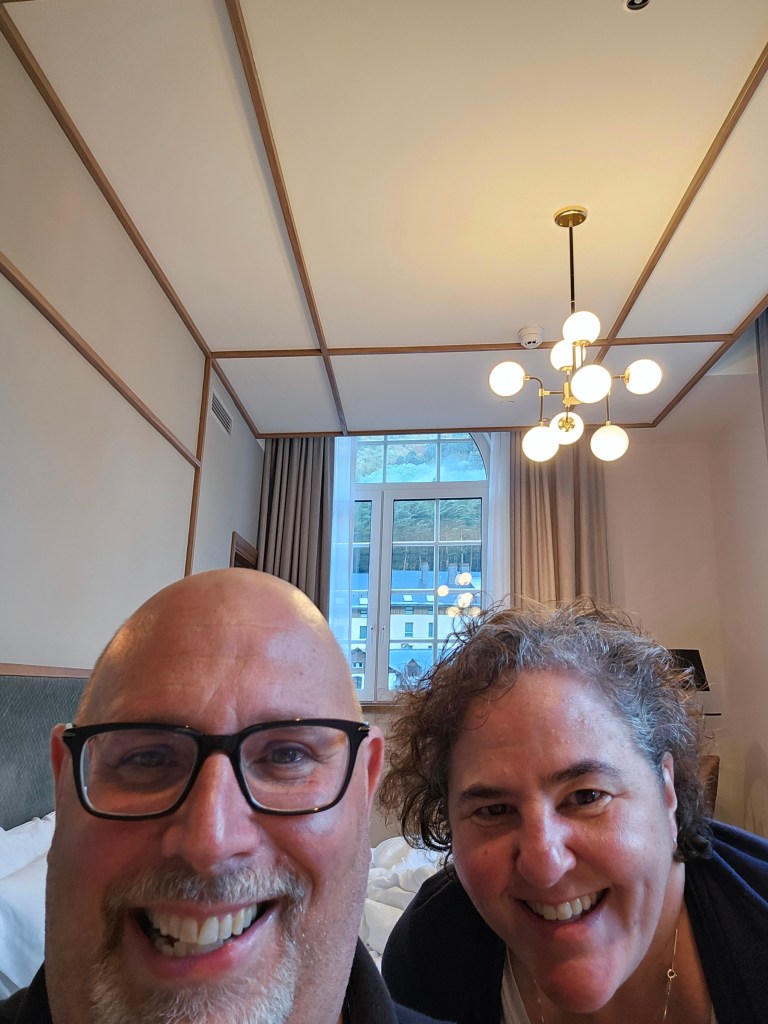
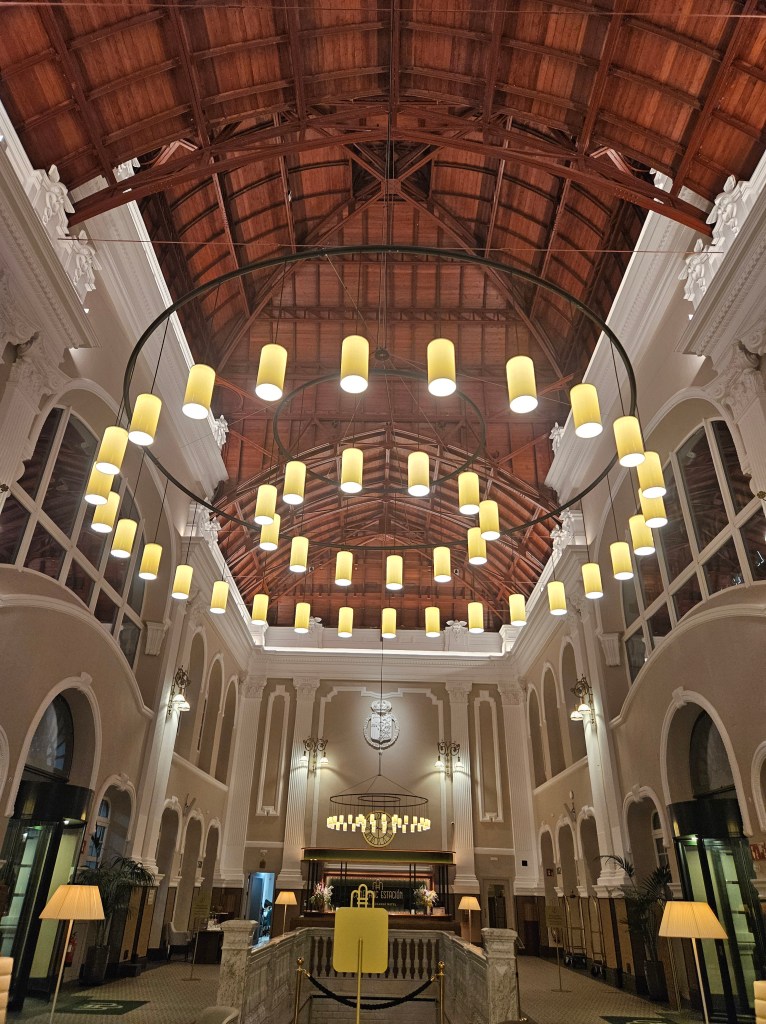
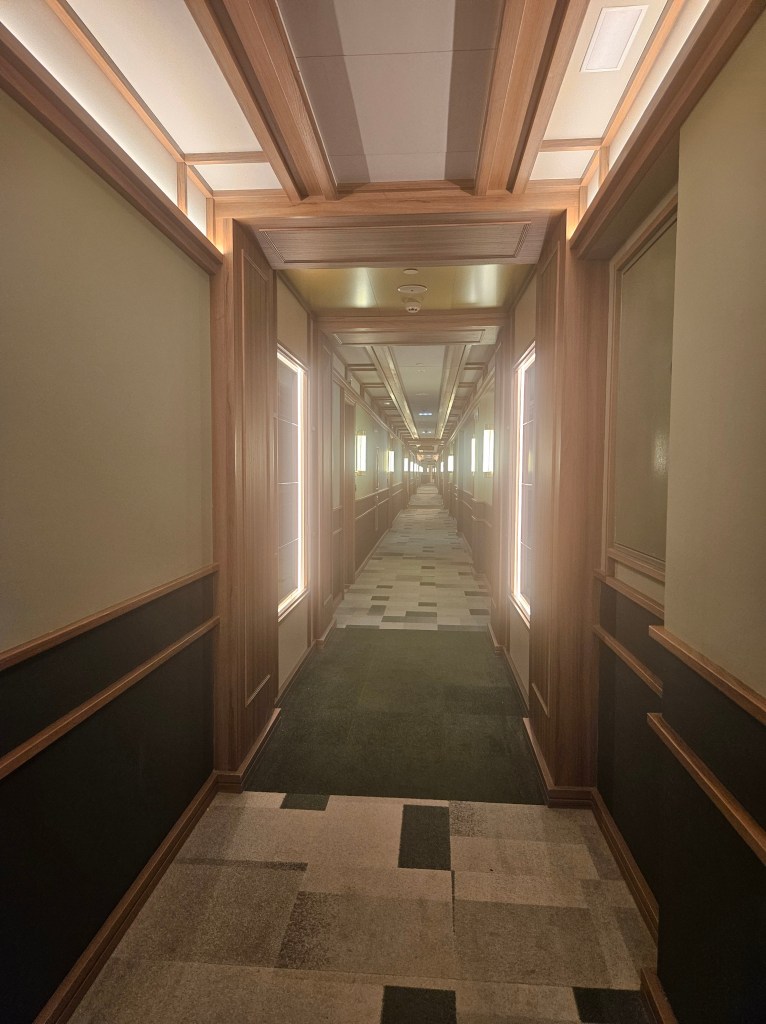
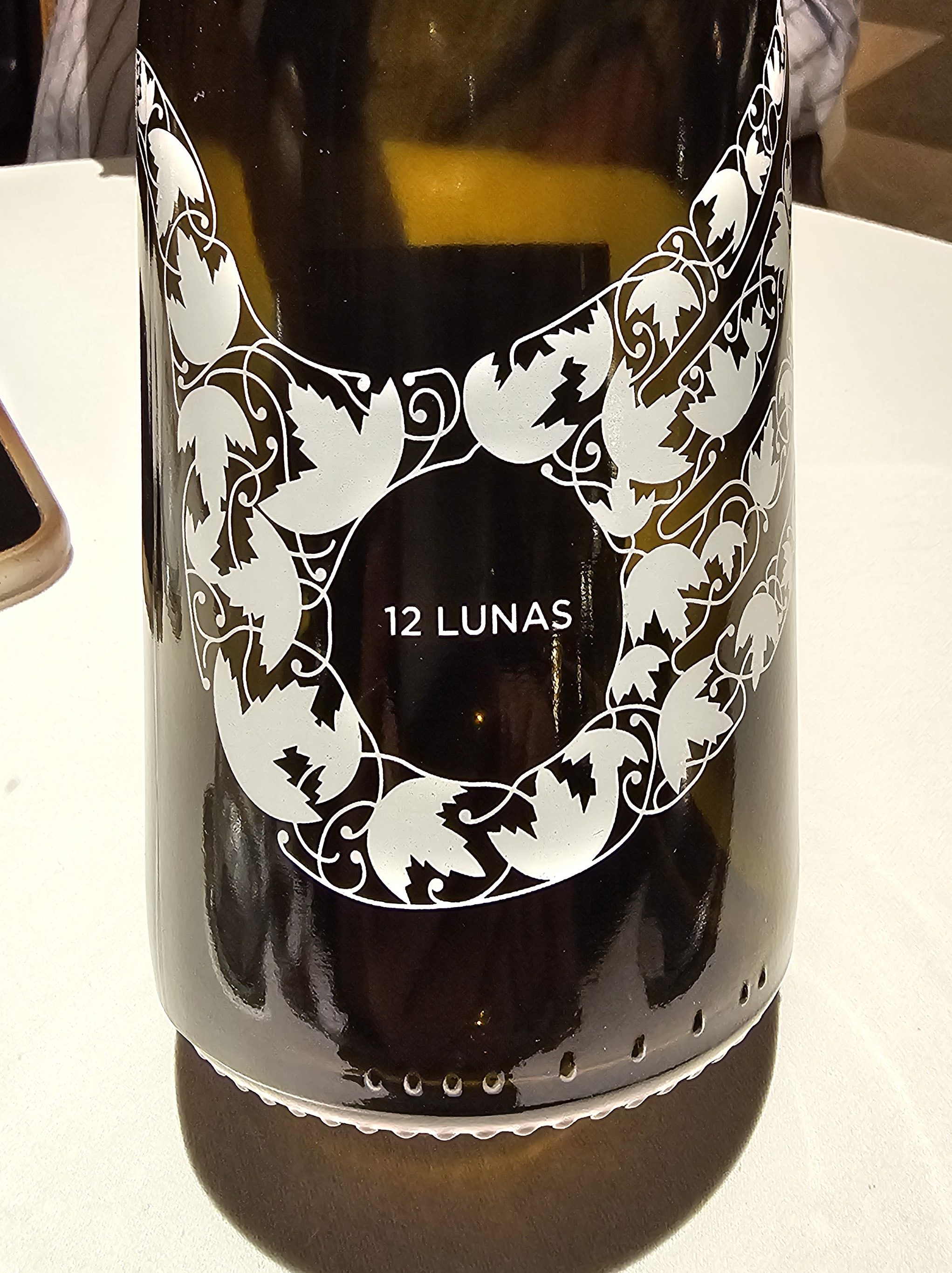
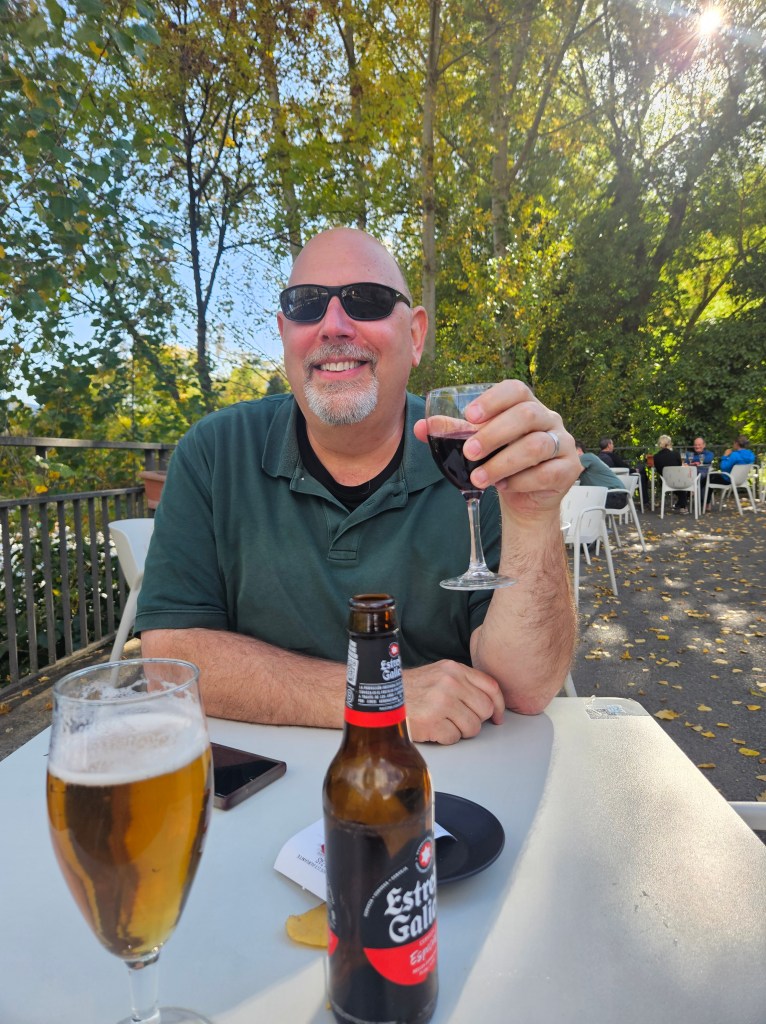
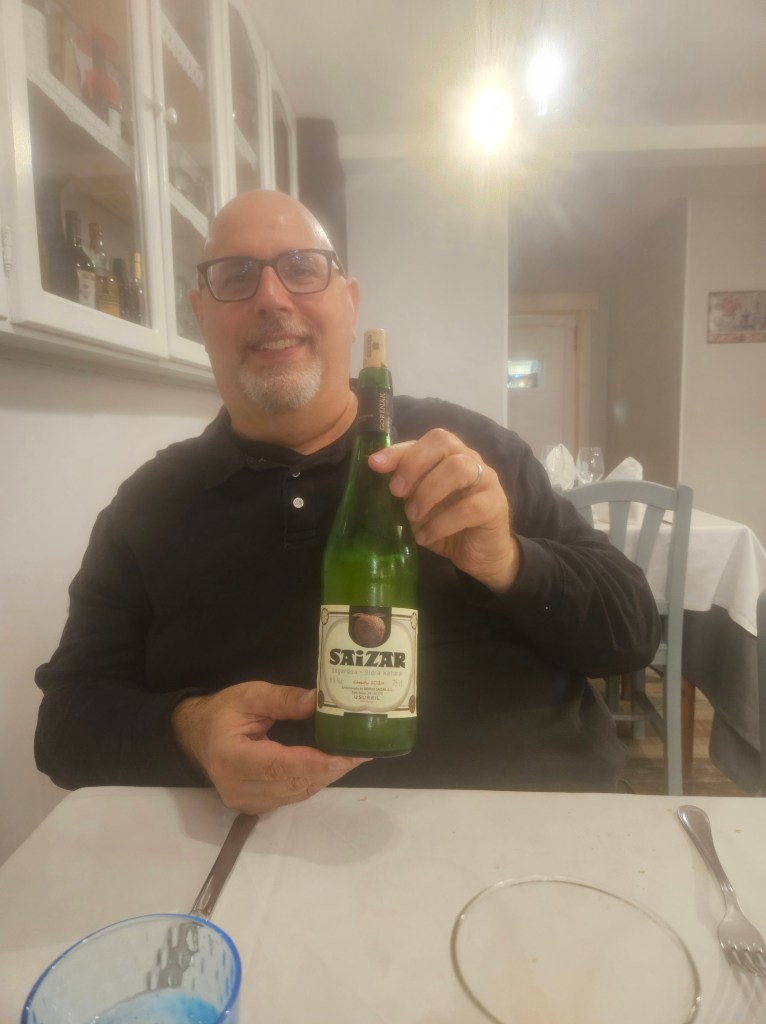
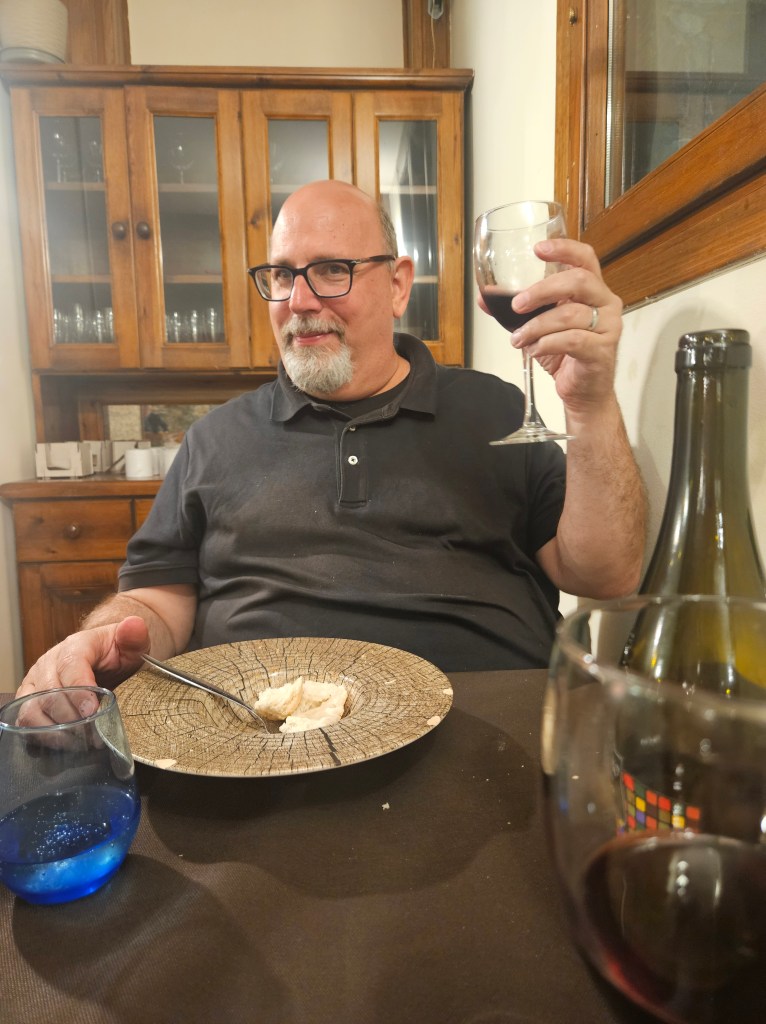
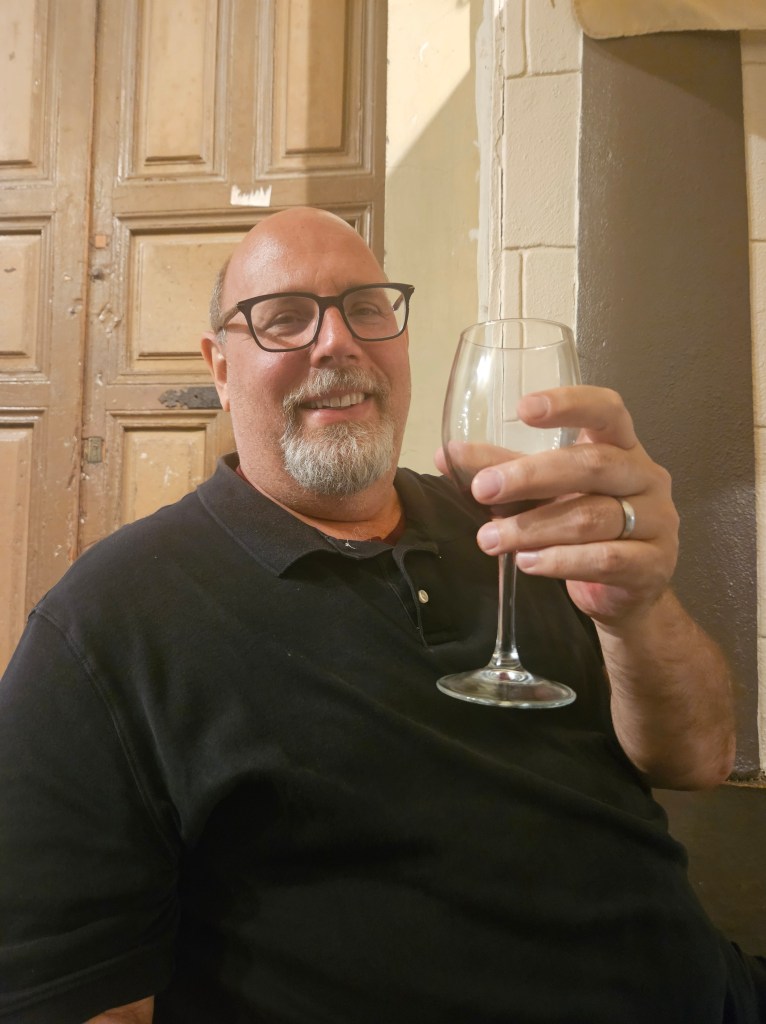
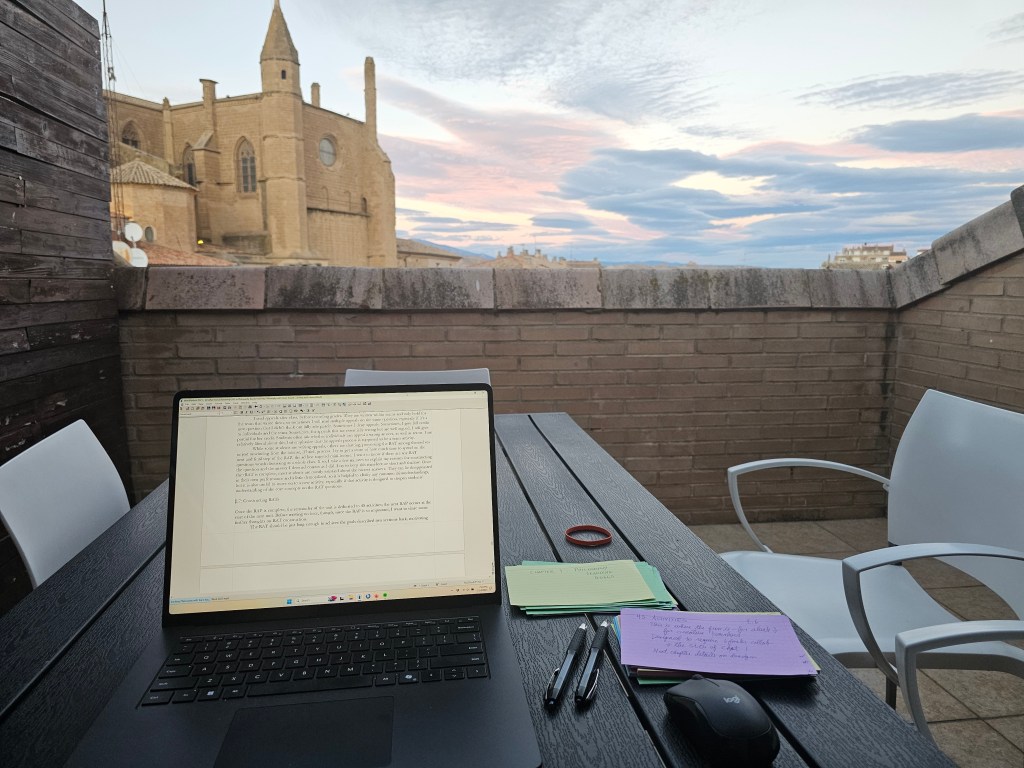
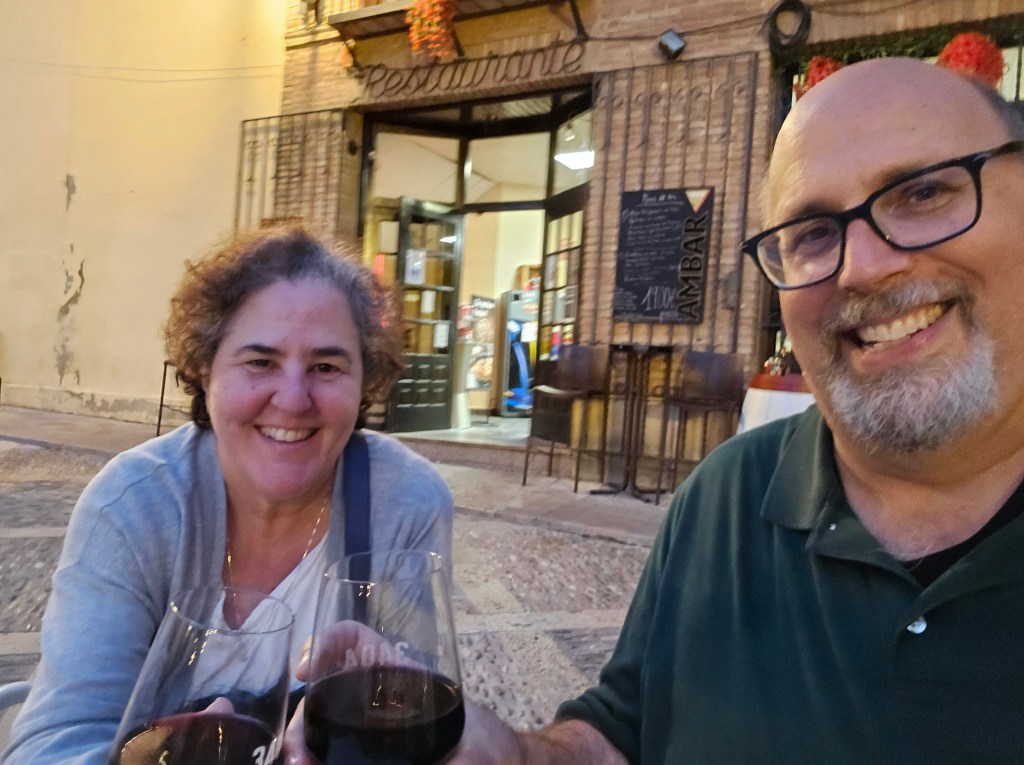
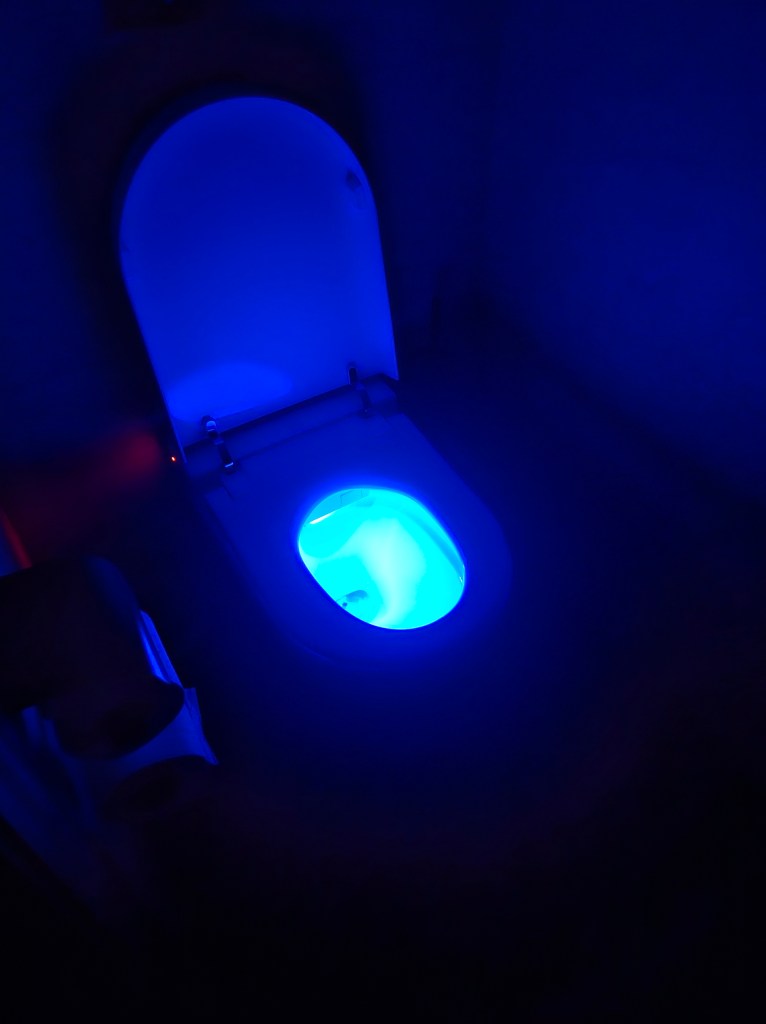
    It was quite luxurious, especially after we took their offer to upgrade to the nicest suite in the hotel, a three-room suite that allowed Russell to work comfortably while Emily went for cofee, and which had an uncomfortably bright and overheated toilet seat. At dinner, we had no real choice for wine.
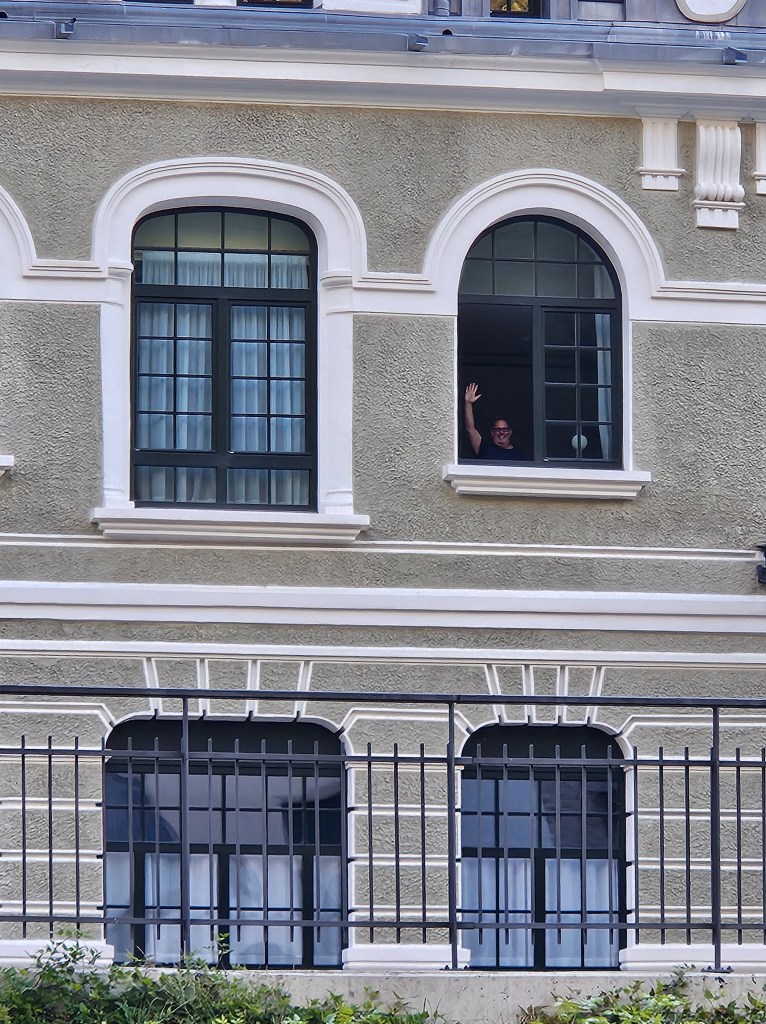
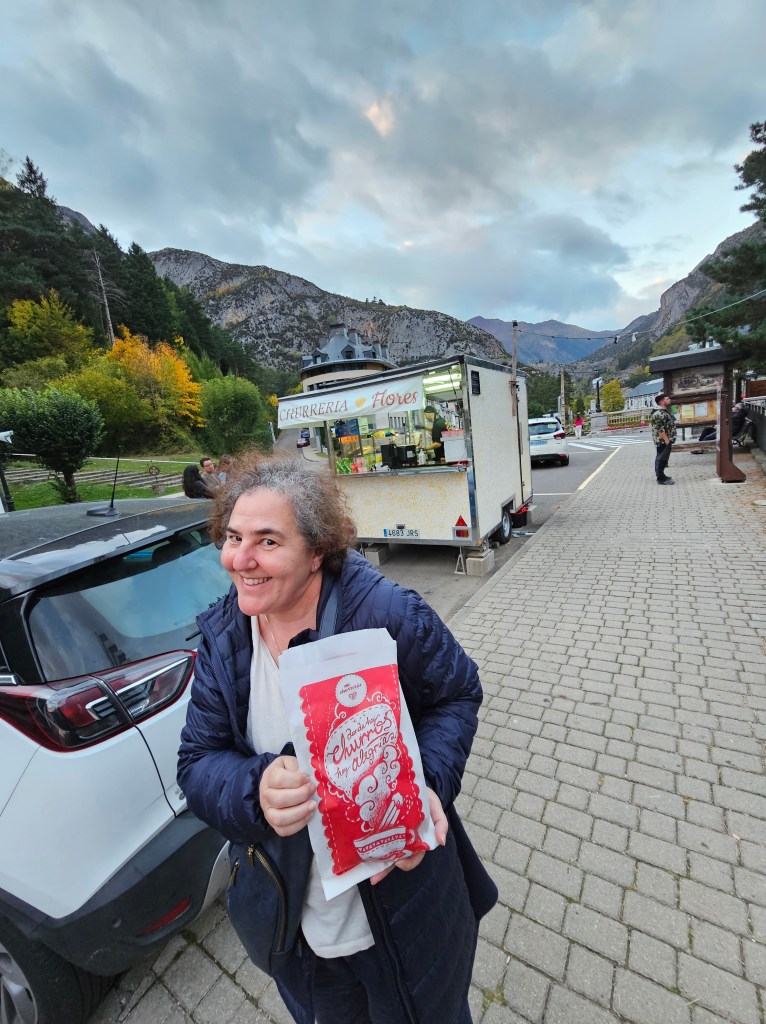
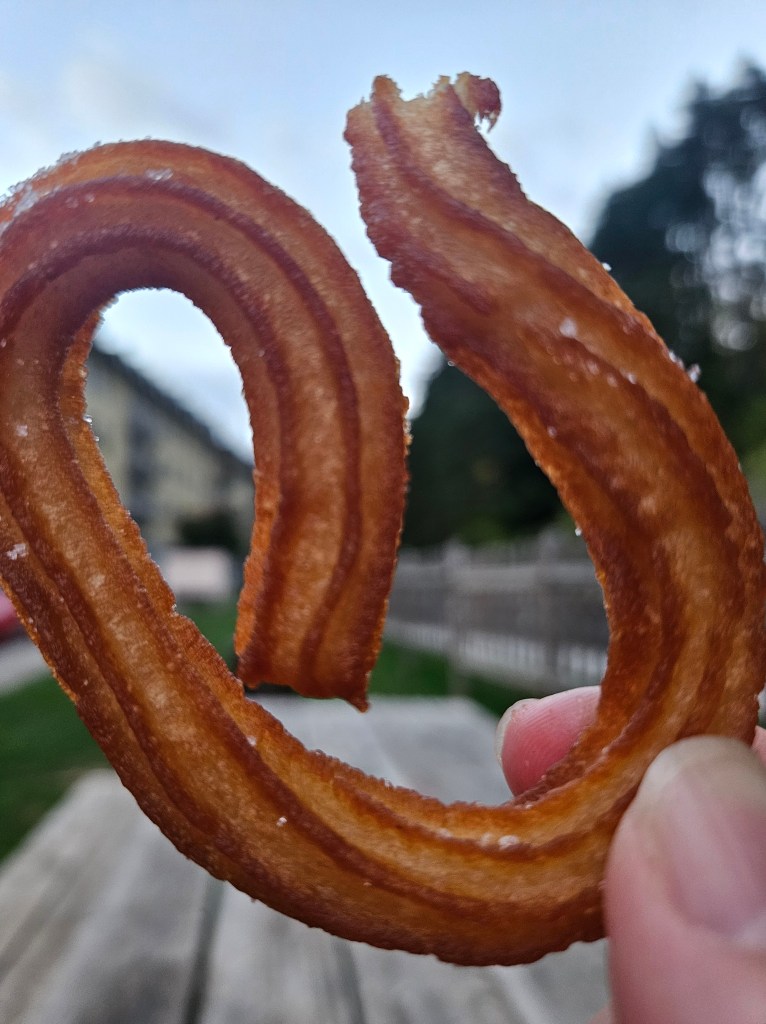
    Oh, and there was a fresh churros stand right in front of the hotel. Maybe the best churros we’ve had. Certainly the most Pirinean.
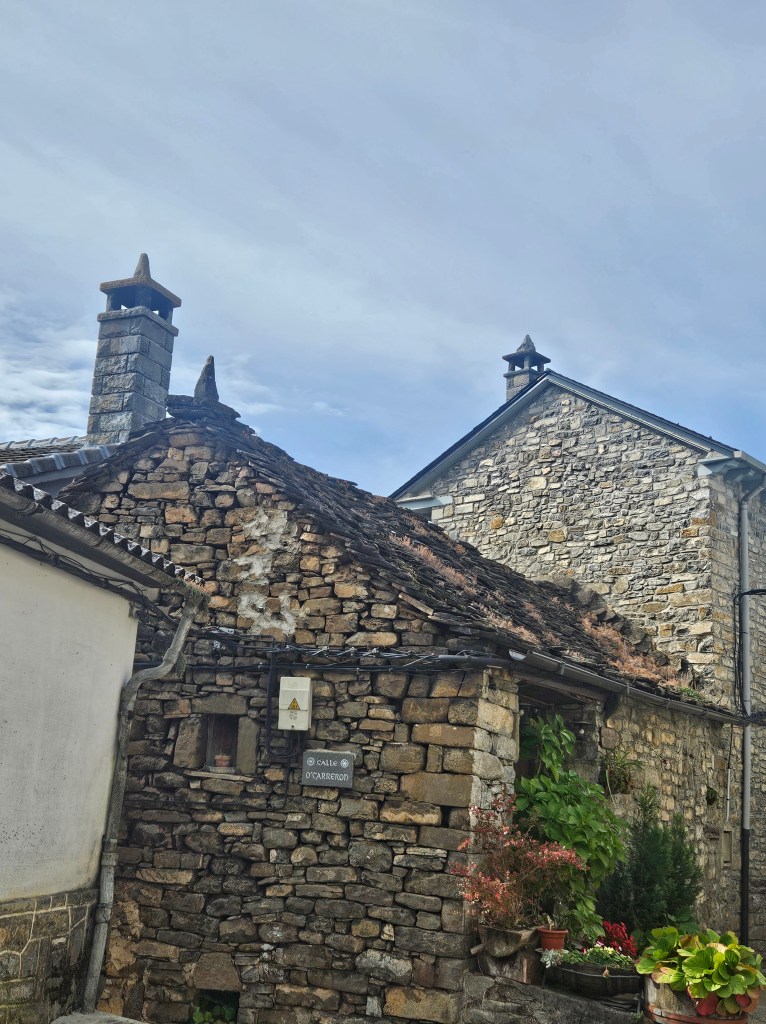
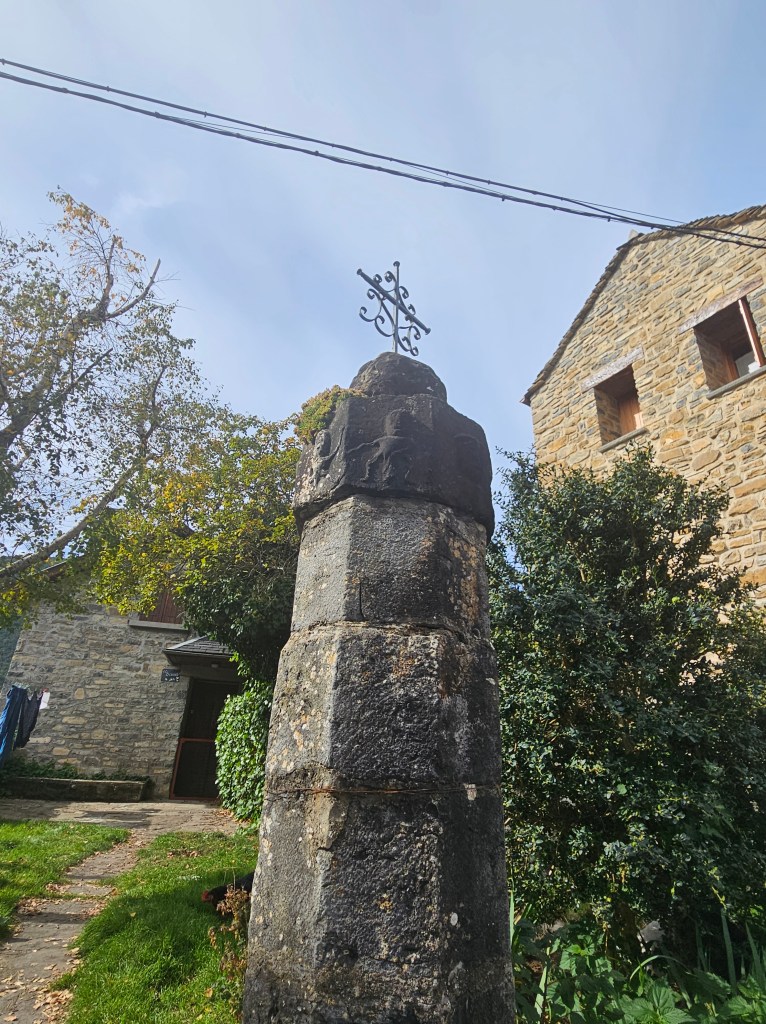
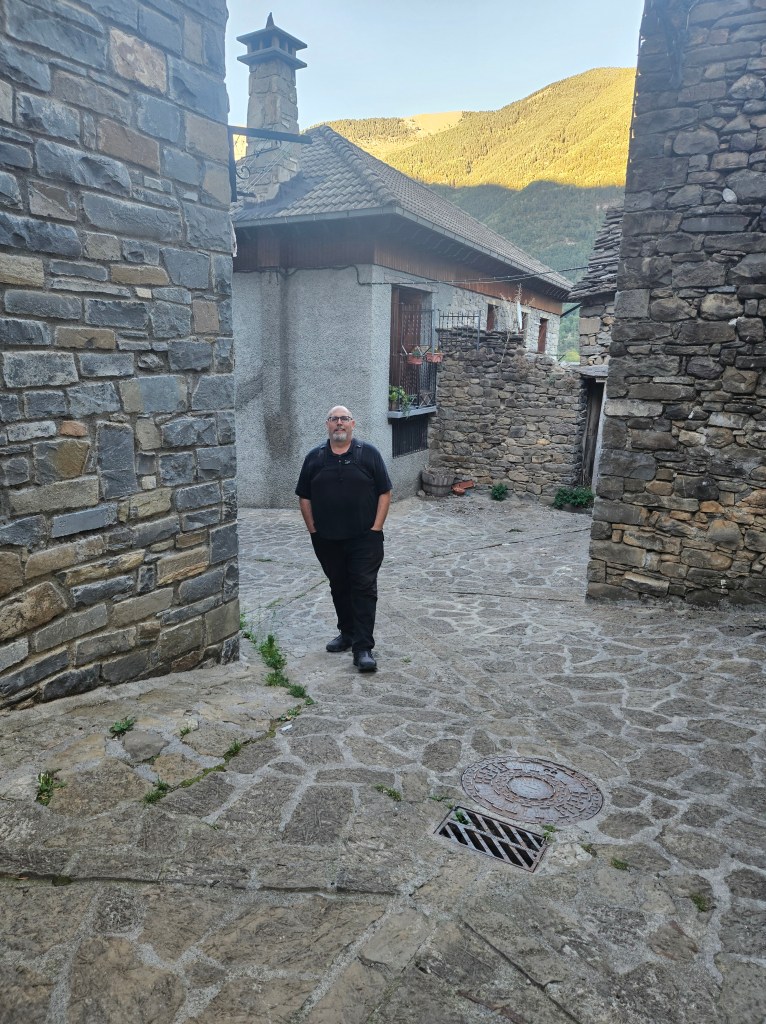
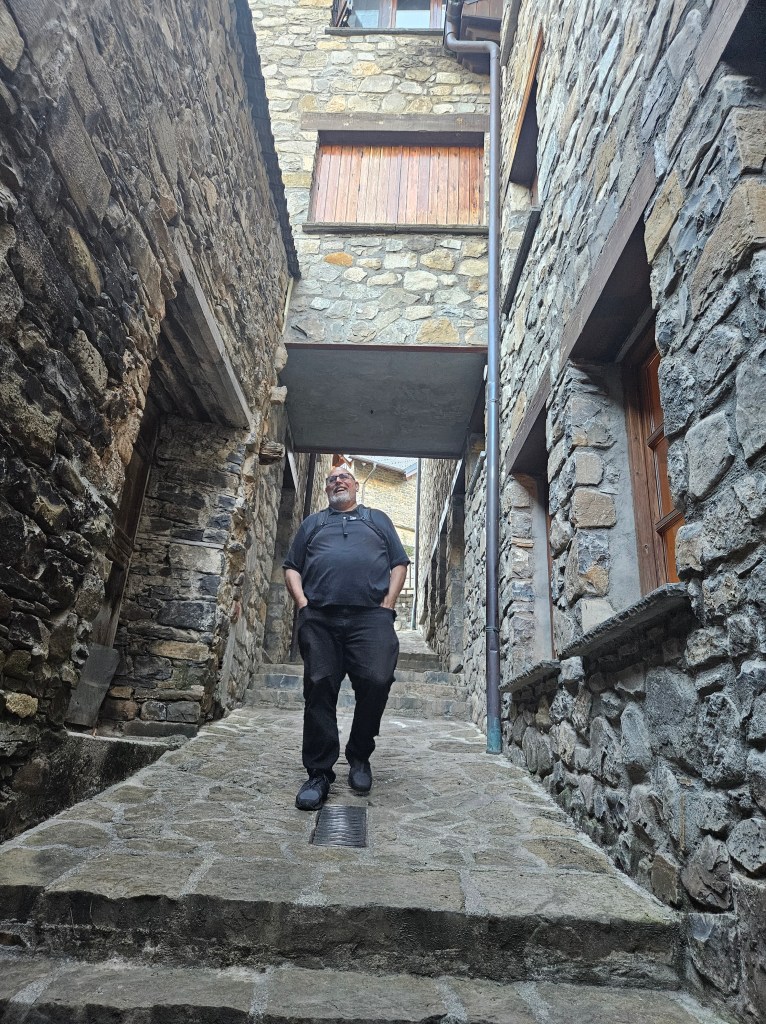
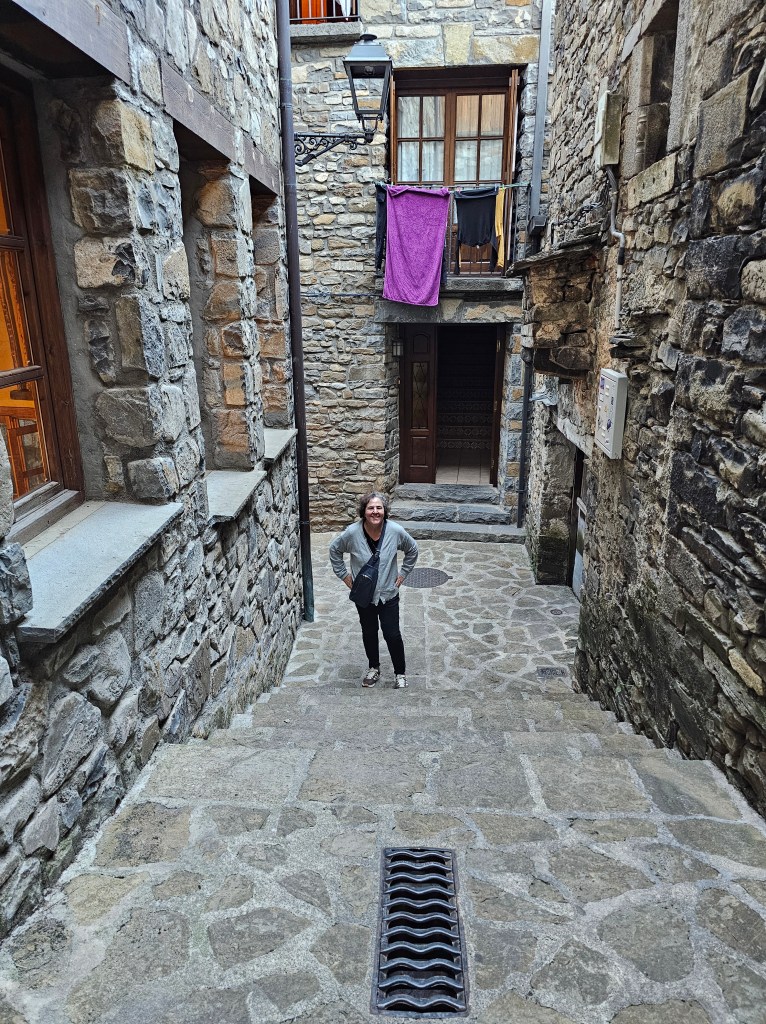
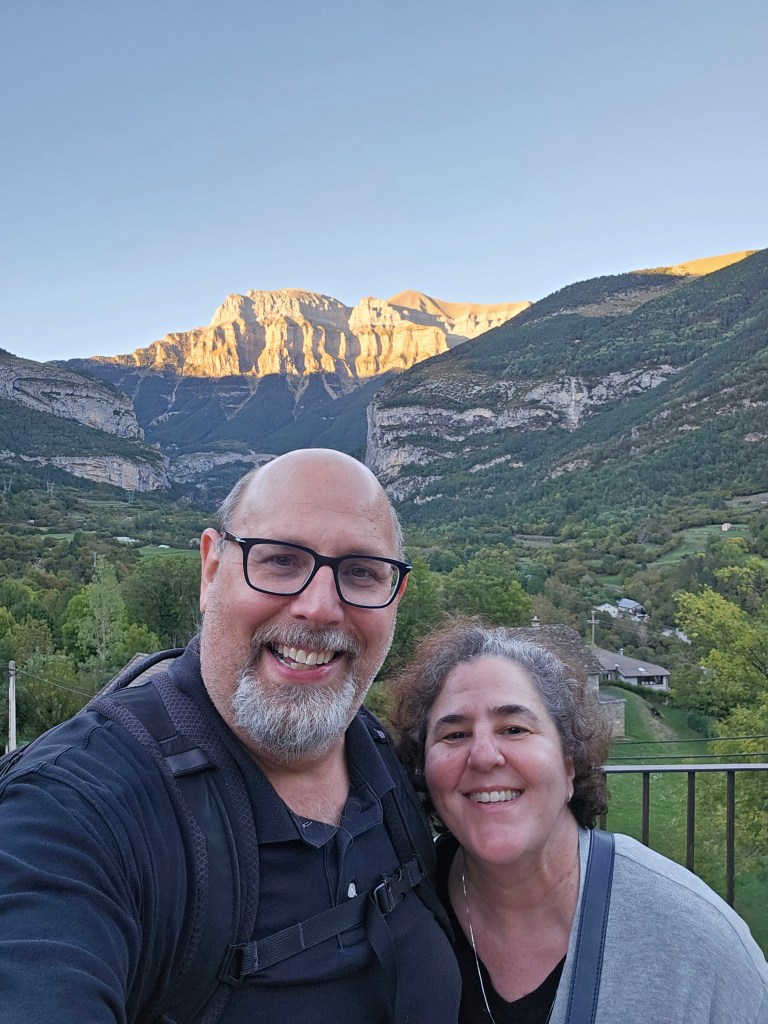
  • We took some time to appreciate our town of Oto and neighboring Broto. We are totally charmed by this area that we really had been only vaguely aware of, if that, a few months ago.

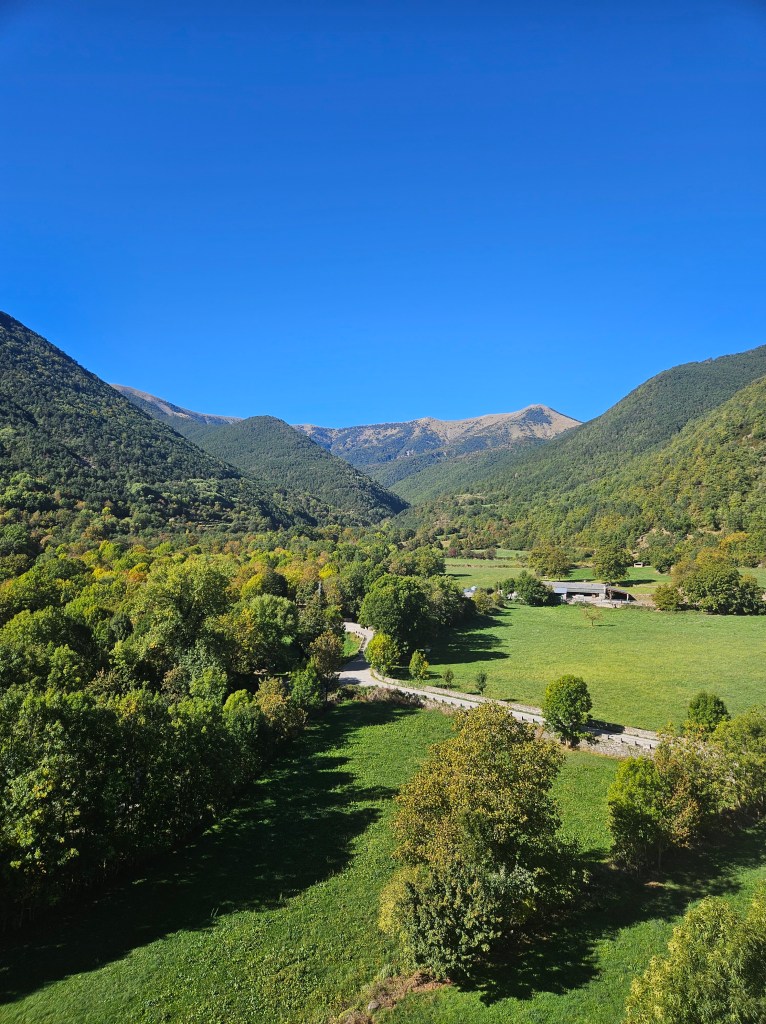
    We took a different path from Oto to Broto and discovered some new views.

    Favorite activity. At some point on these travels we’ll have less beautiful weather.

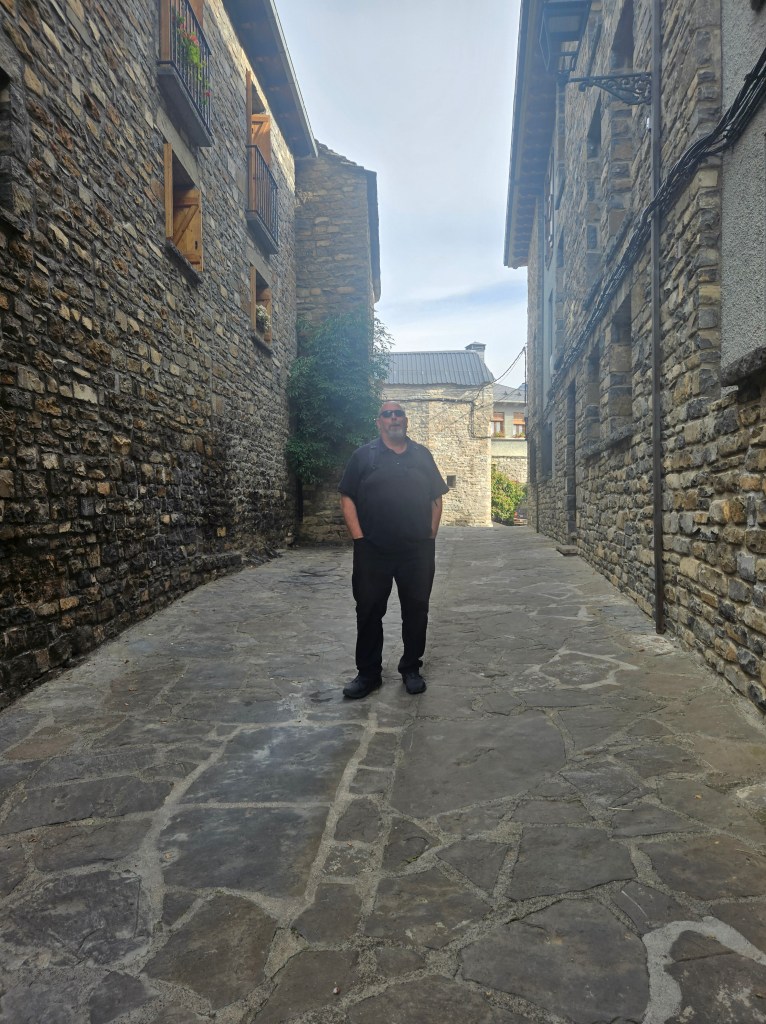
    More sights of Broto/Oto. It was a holiday weekend for Spain’s national day of October 12, Día de la Hispanidad. Which doesn’t just happen to coincide with Columbus Day/Indigenous Peoples’ Day/Día de la Raza. The town was full of visitors, many with hiking and climbing gear.

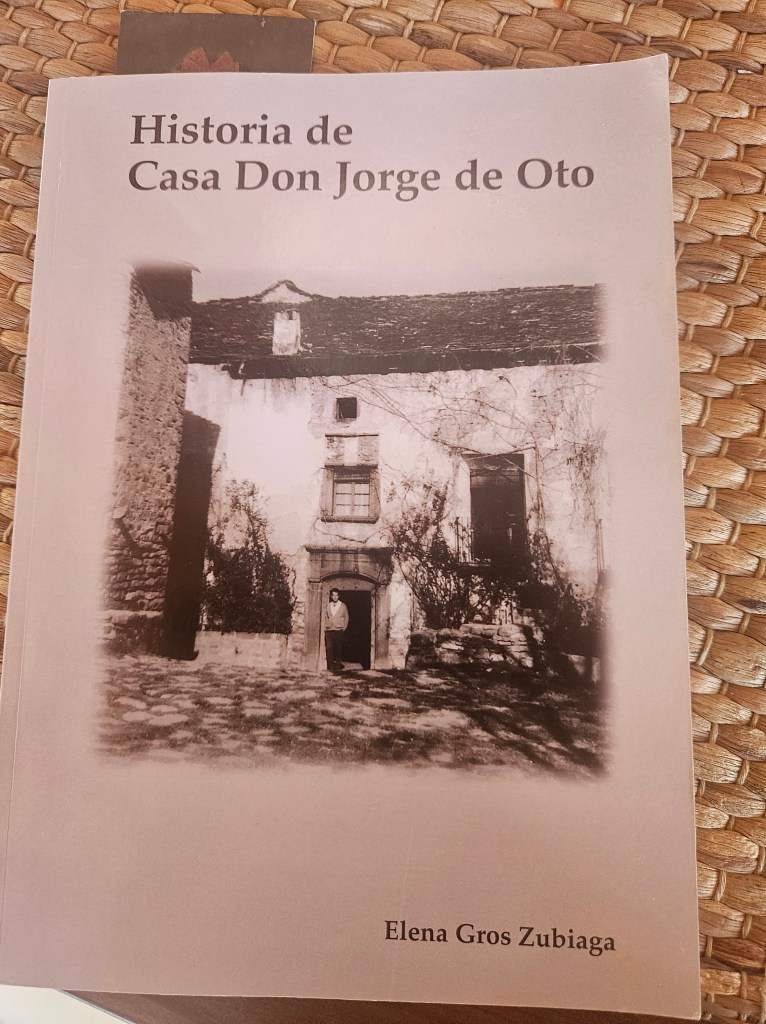
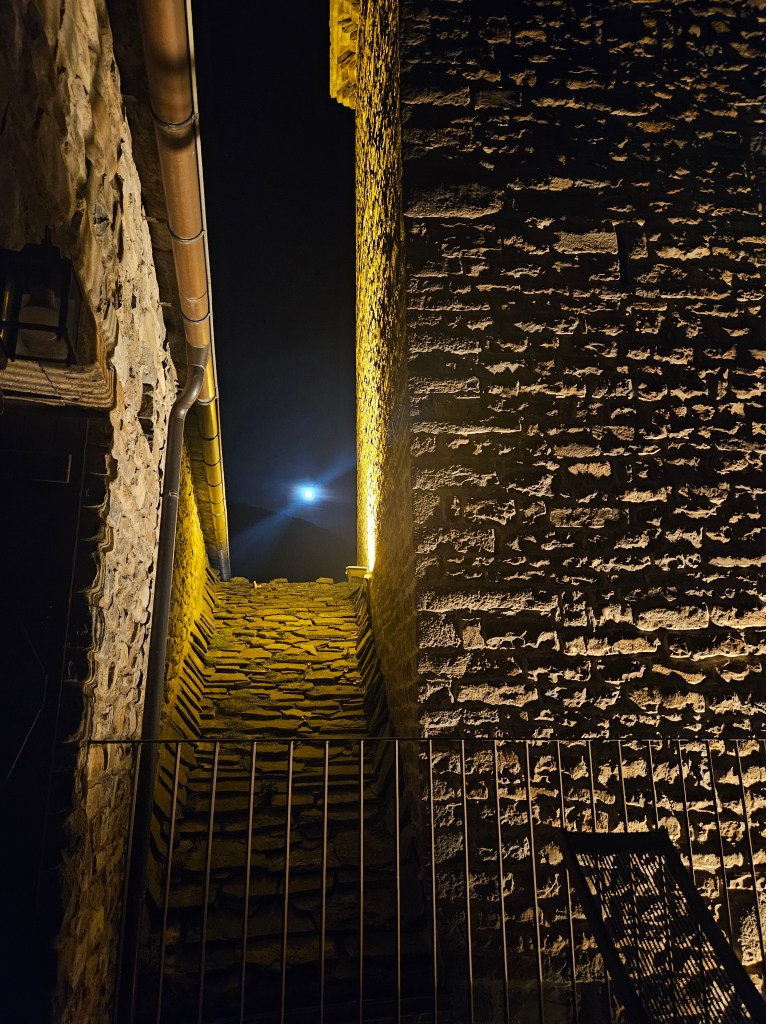
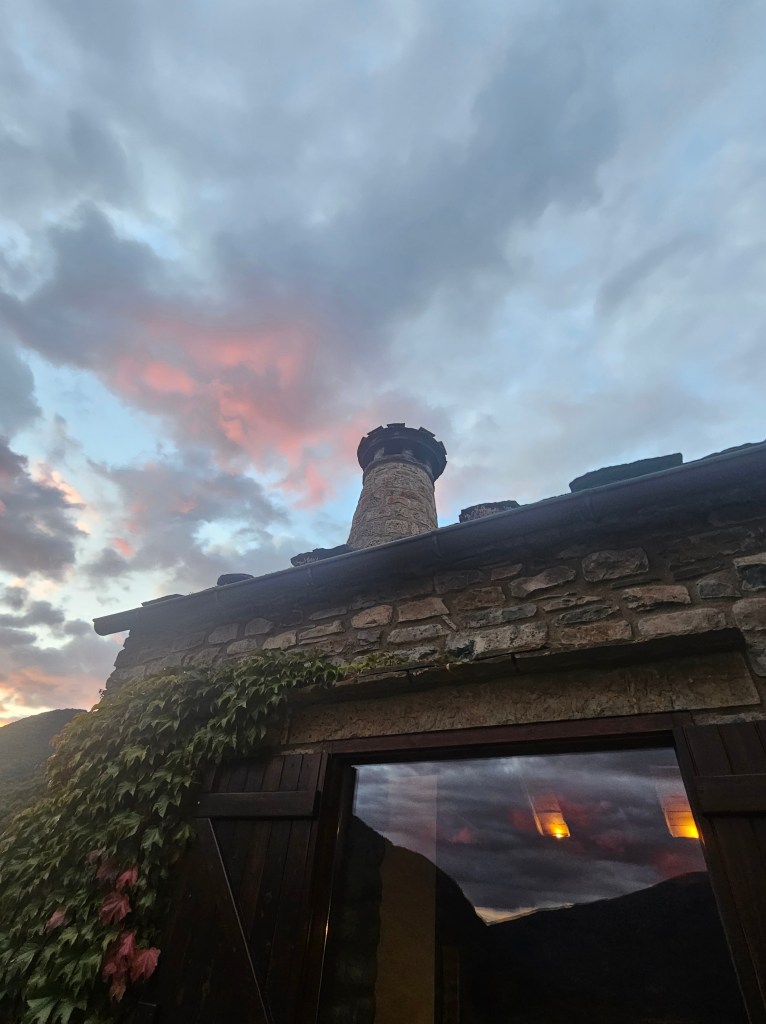
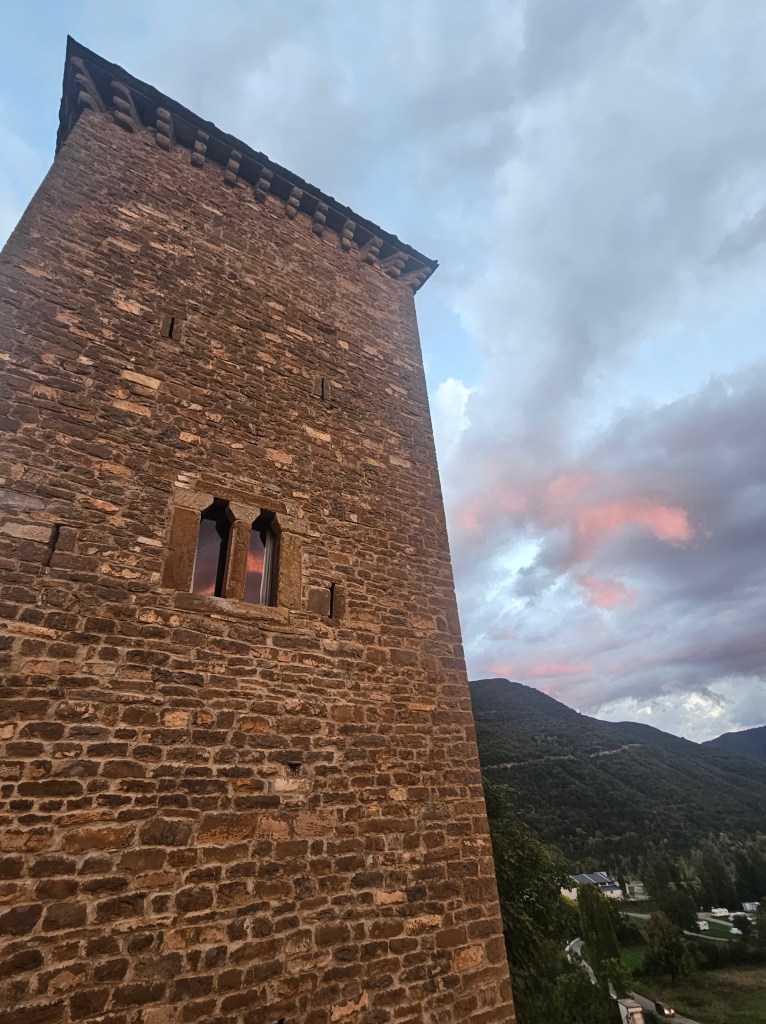
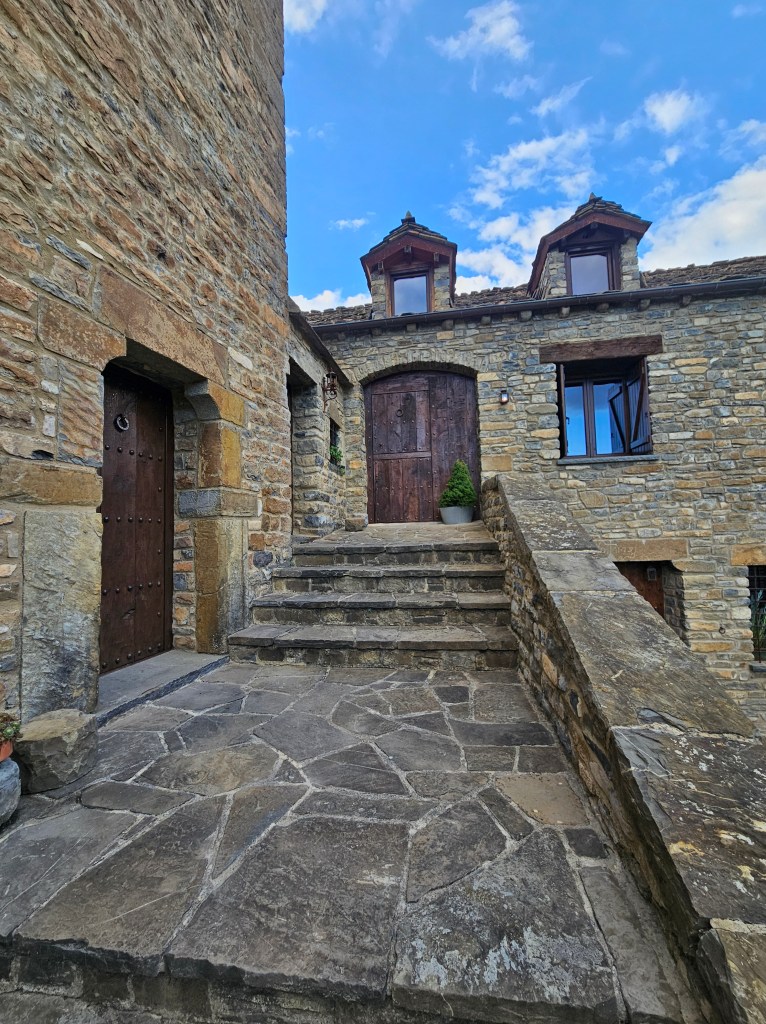
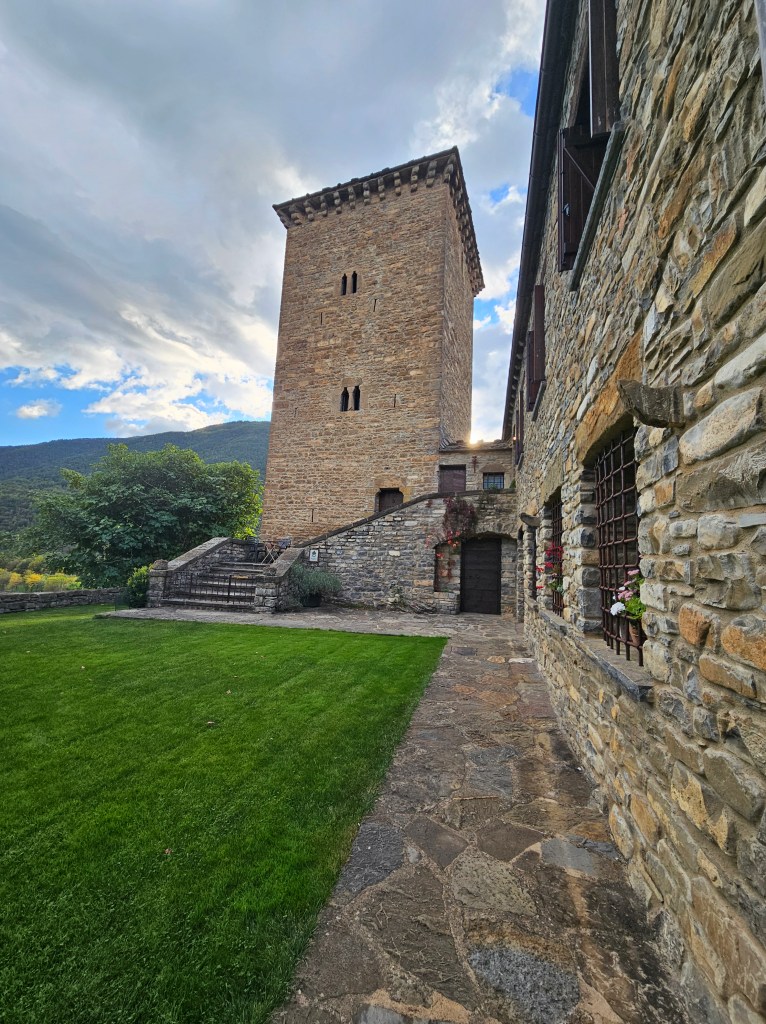
    Our apartment is so special. It is the converted stables wing of a 16th century tower building (kind of a mini-castle). Our host is a member of the family that has owned the property for over 100 years. The family wrote a book of its history.

    We walked back to Broto in the evening for a lovely last dinner. We’ll miss this place!

  • We took a day to recover from our big hike in the shadow of Monte Perdido, and then set out for a shorter trek a bit further north.

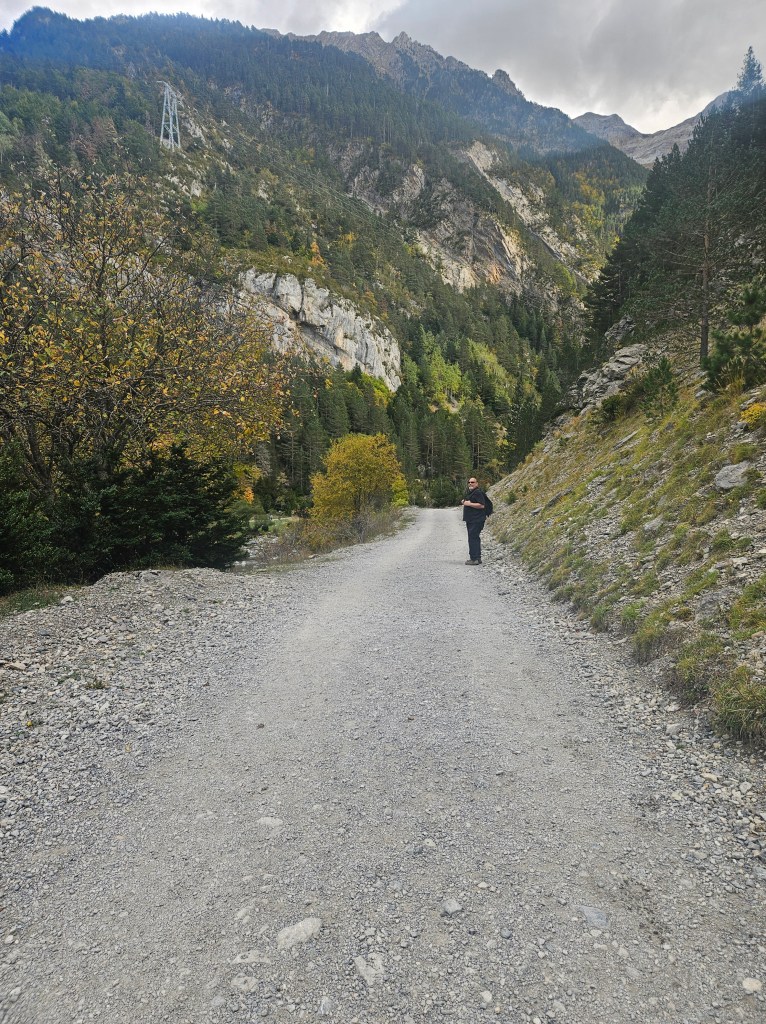
    This hike started from Bujaruelo, a parking and camping area at the edge of the national park. To get there, we had to drive about half an hour on a gravelly, rocky mountain road. Russell was a superhero because he got us safely there. Emily was a superhero because she didn’t barf.

    It was worth the drive!

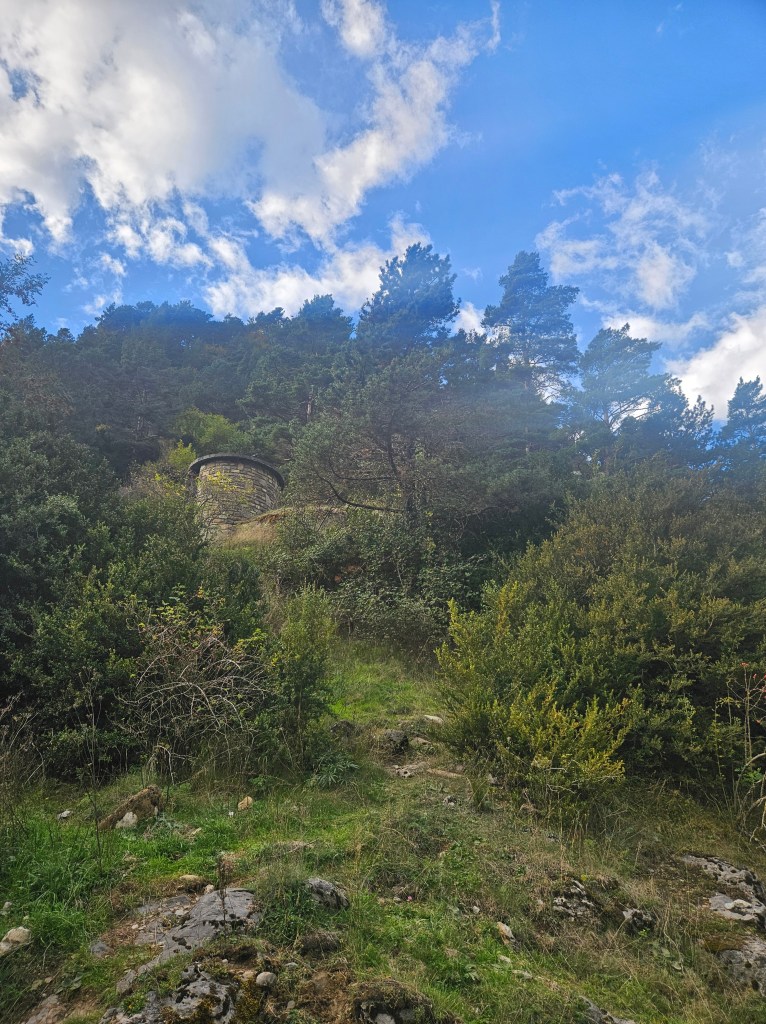
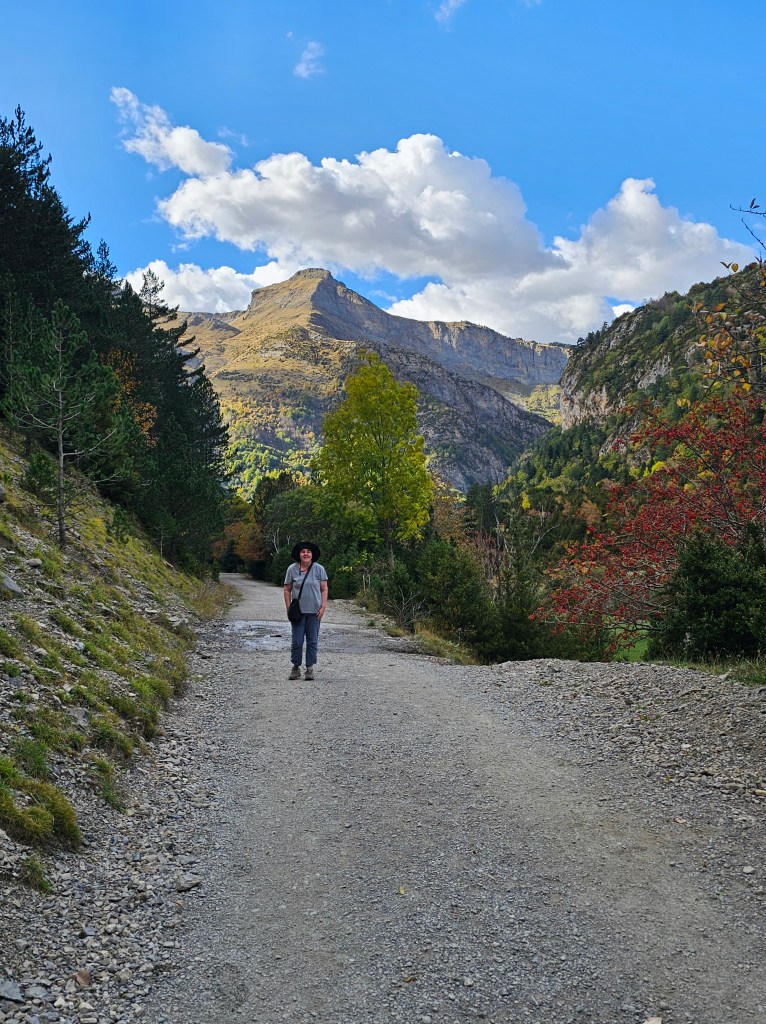
    The hike was called the ornithological route and was supposed to be a quick, flat walk by the río Ara. We made it more interesting by adding in a rather vertical spur of the trail.

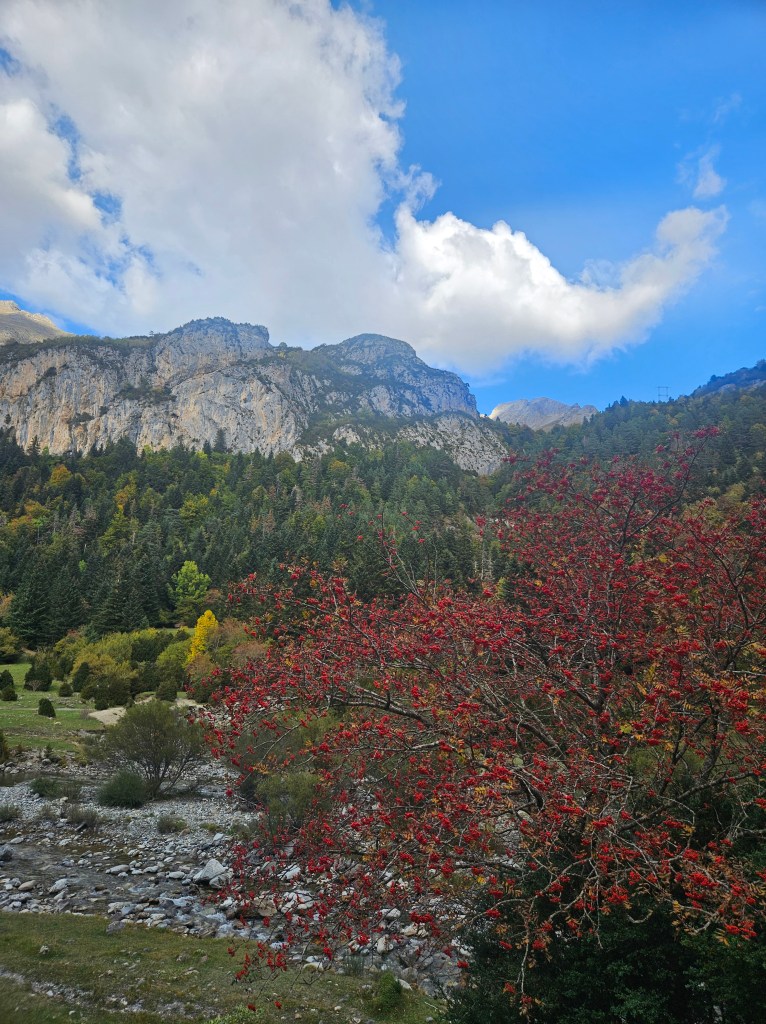
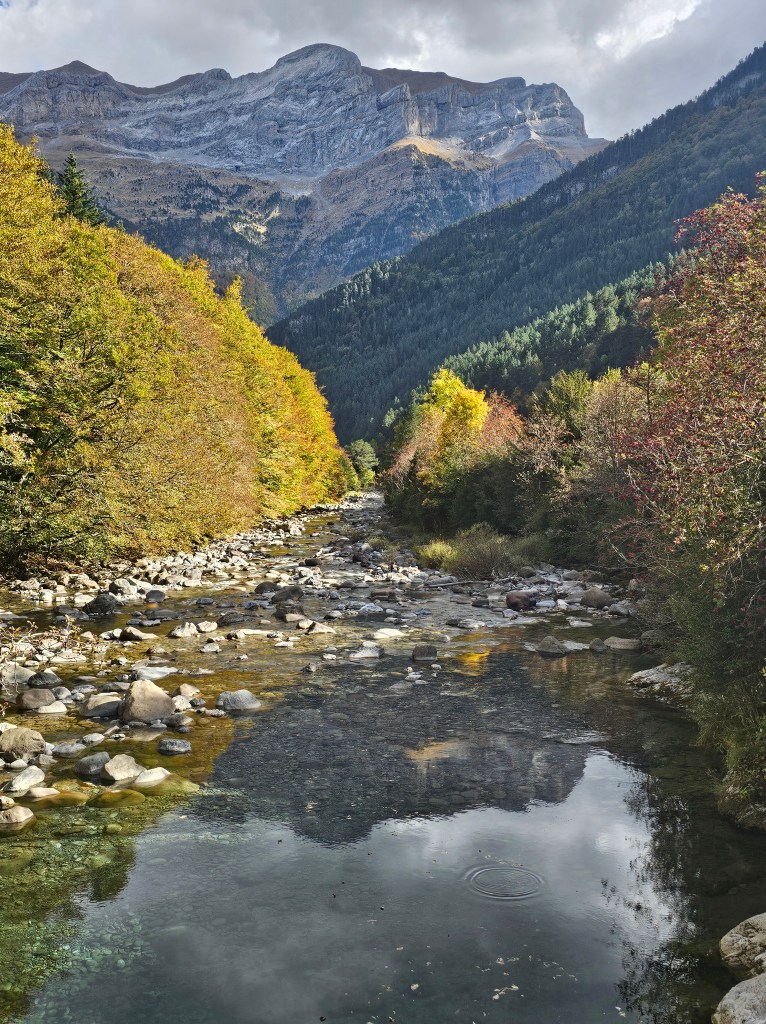
    While we didn’t see many birds, the views were amazing. We never got tired of them. Every time we went around a bend, we were struck again by the beauty. And cows. Always cows.

    As we walked, we wondered if we would ever return to this gorgeous place. We love it here but the world is big.

    On our drive back to Oto on the rocky road, our wistful musings were interrupted by… cows.

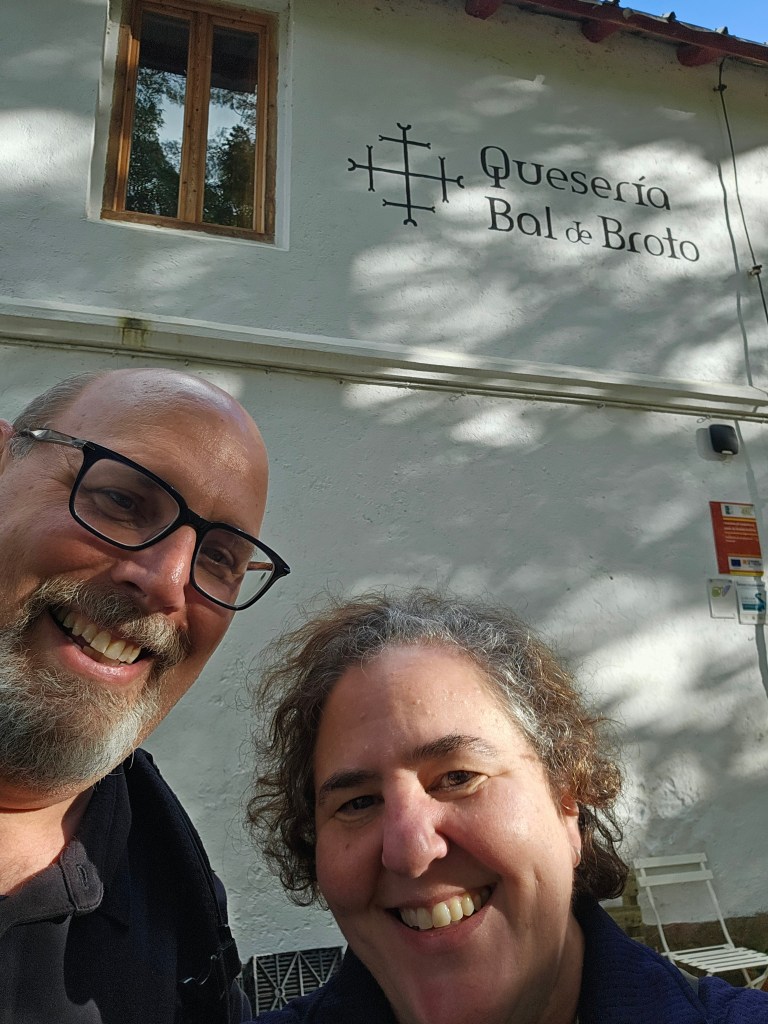
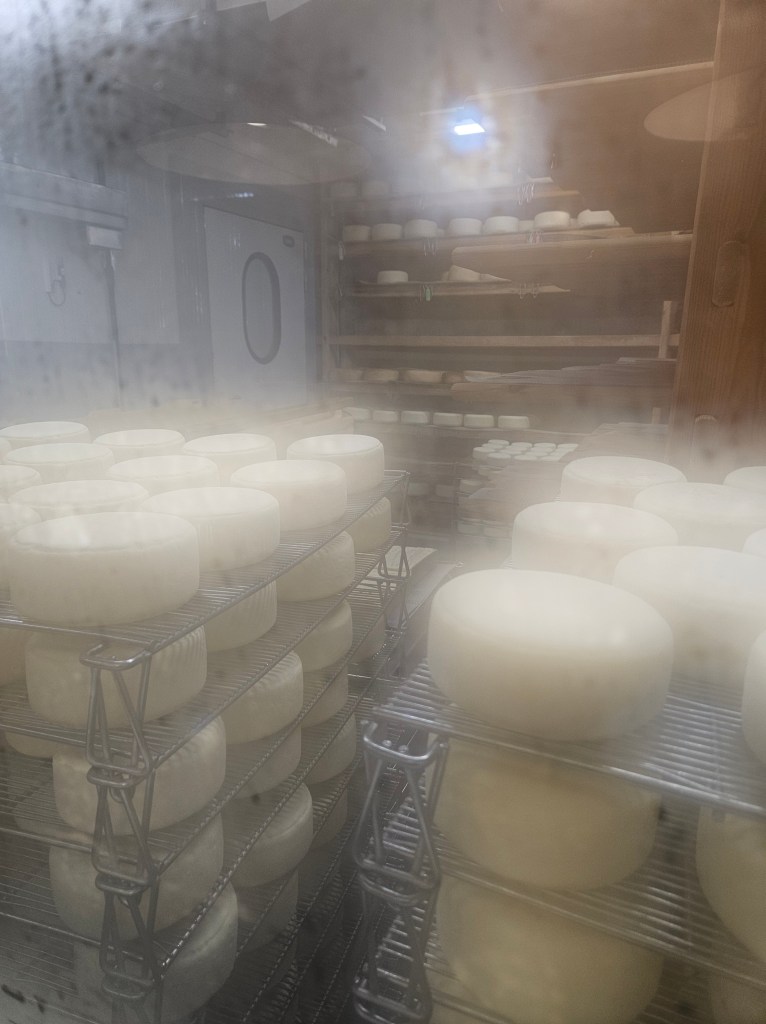
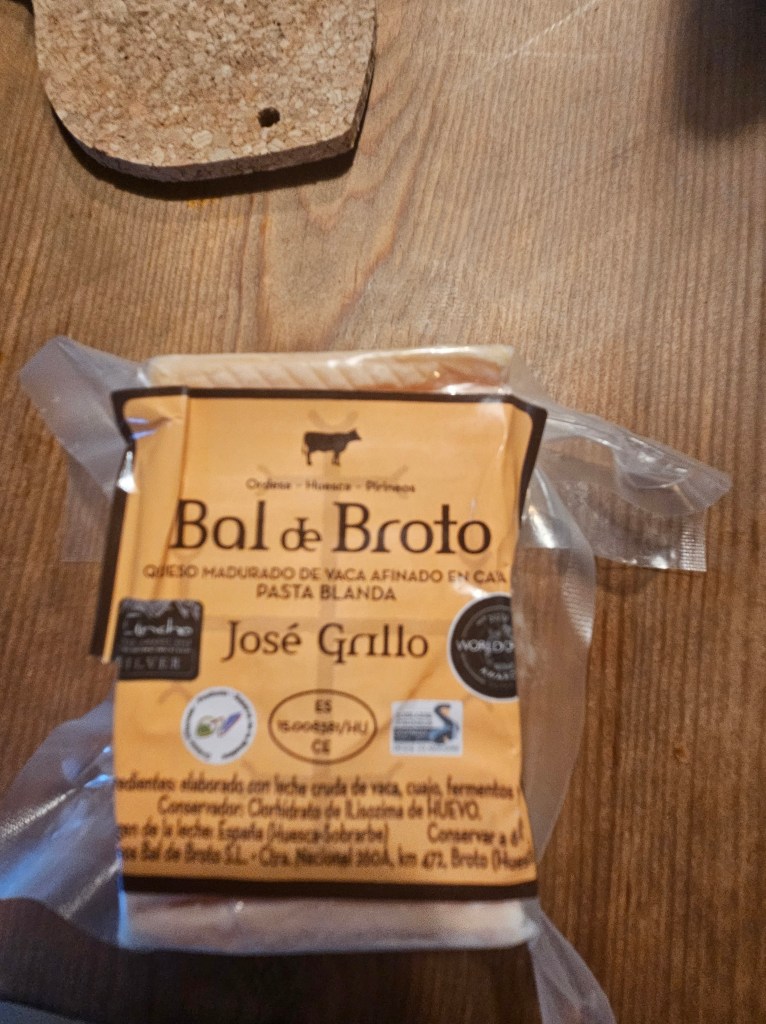
    After the walk, we deserved cheese, so we visited a local cheesemaker. Even Russell enjoyed these cheeses and chatting with the cheesemaker!

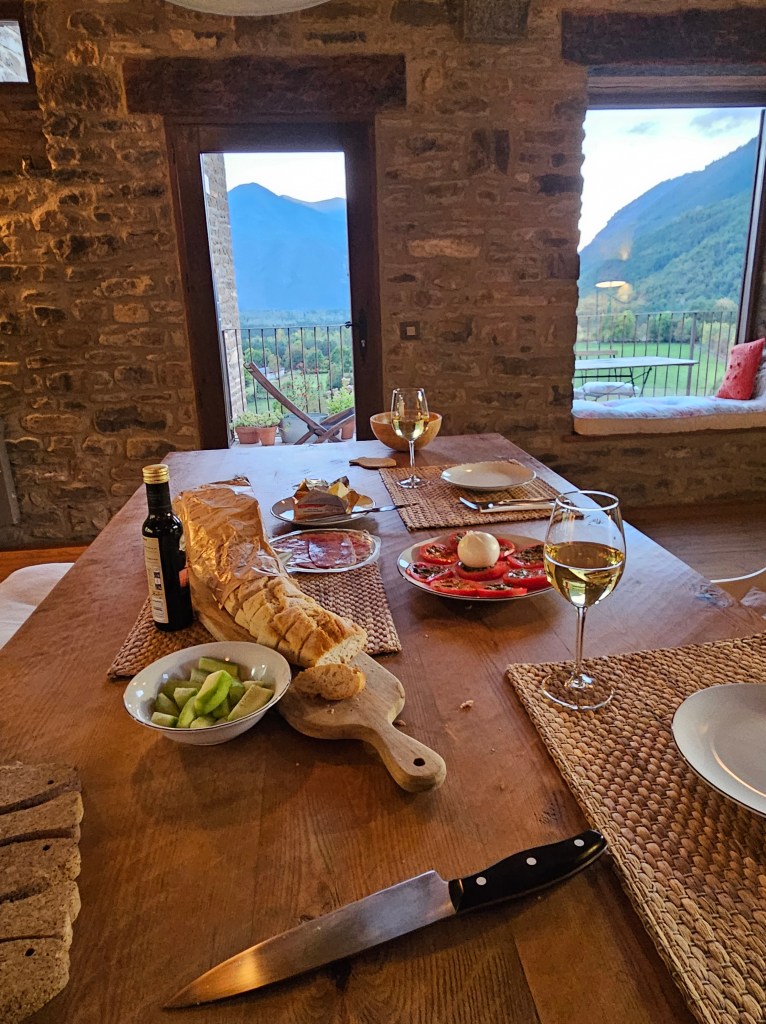
    And we had a lovely dinner at home to end the evening.

  • One of the reasons we ended up in the Spanish Pyrenees is that when we were looking for places to land, we saw pictures of the national park here. On Wednesday morning, Russell took a day off from working and we made our way there. After a 15 minute drive to a parking lot in Torla, we boarded a bus into the park. Visitors to the park are limited, and private cars aren’t allowed on the main road in.

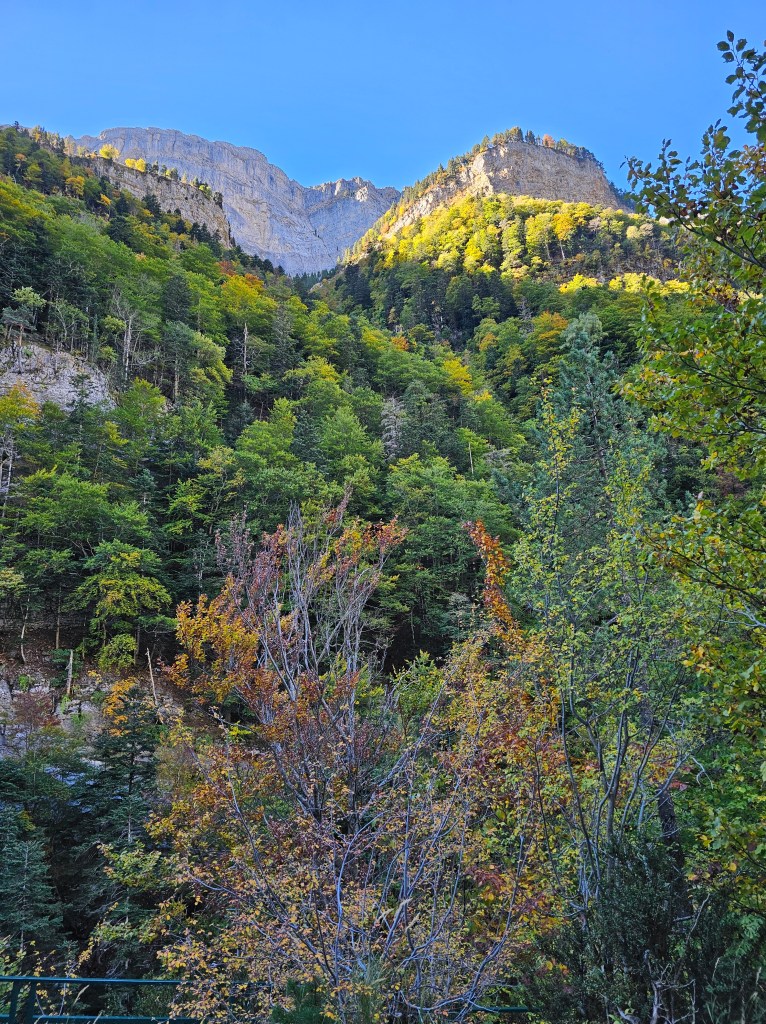
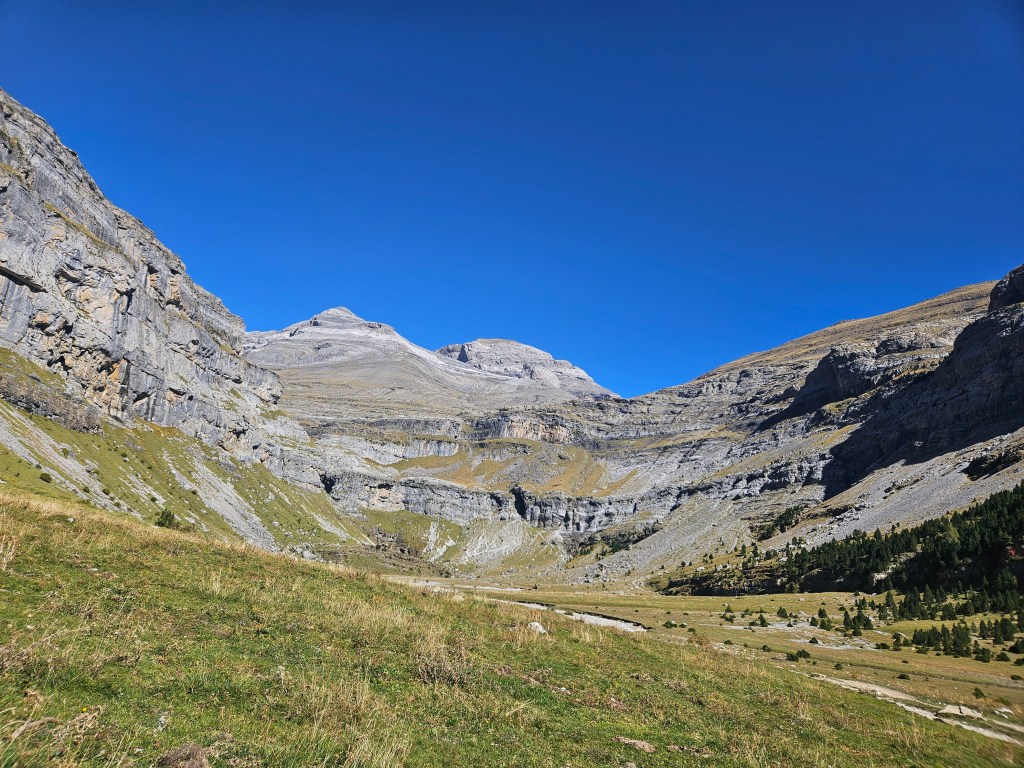
    From our first steps, it was spectacularly beautiful.
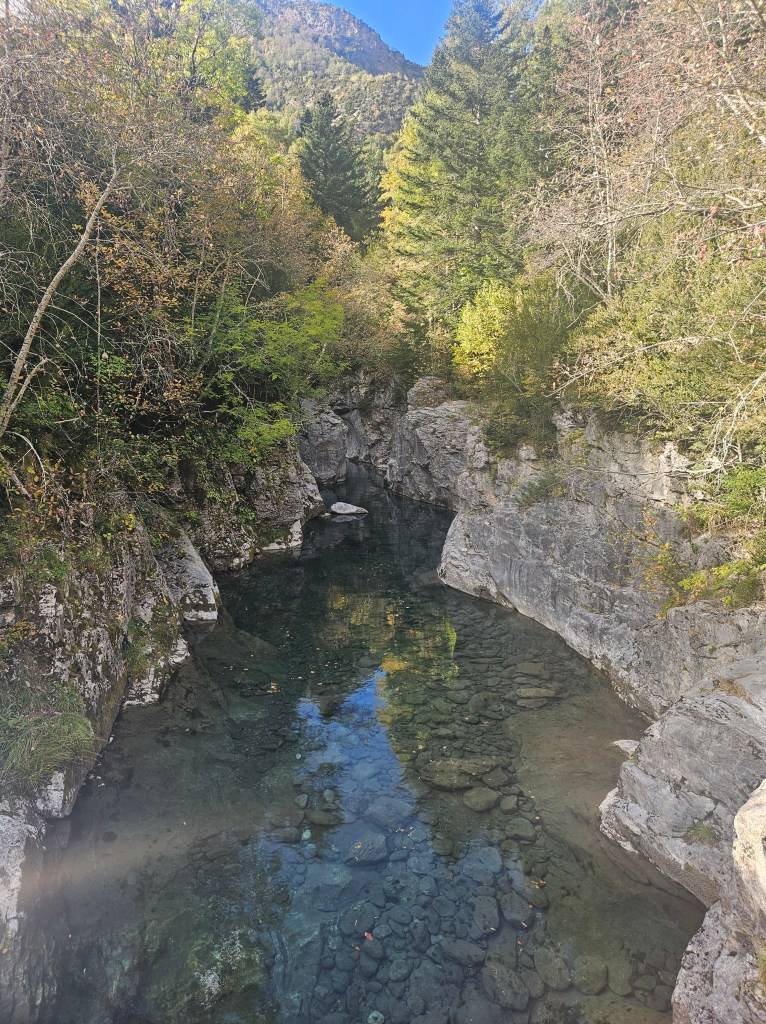
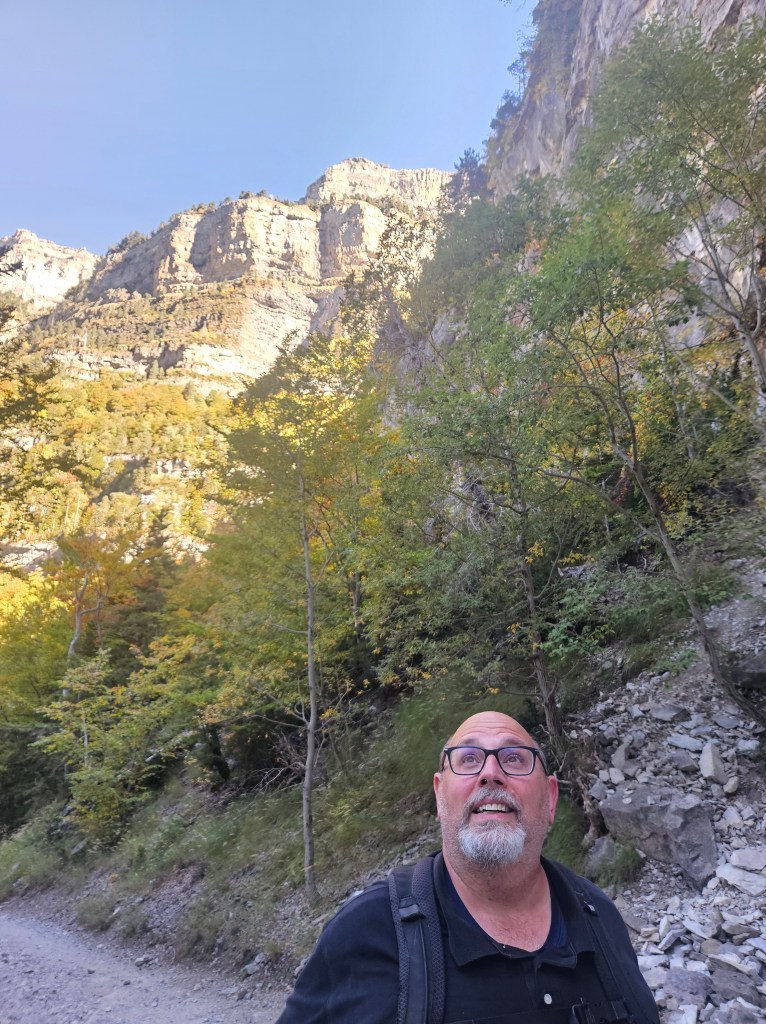
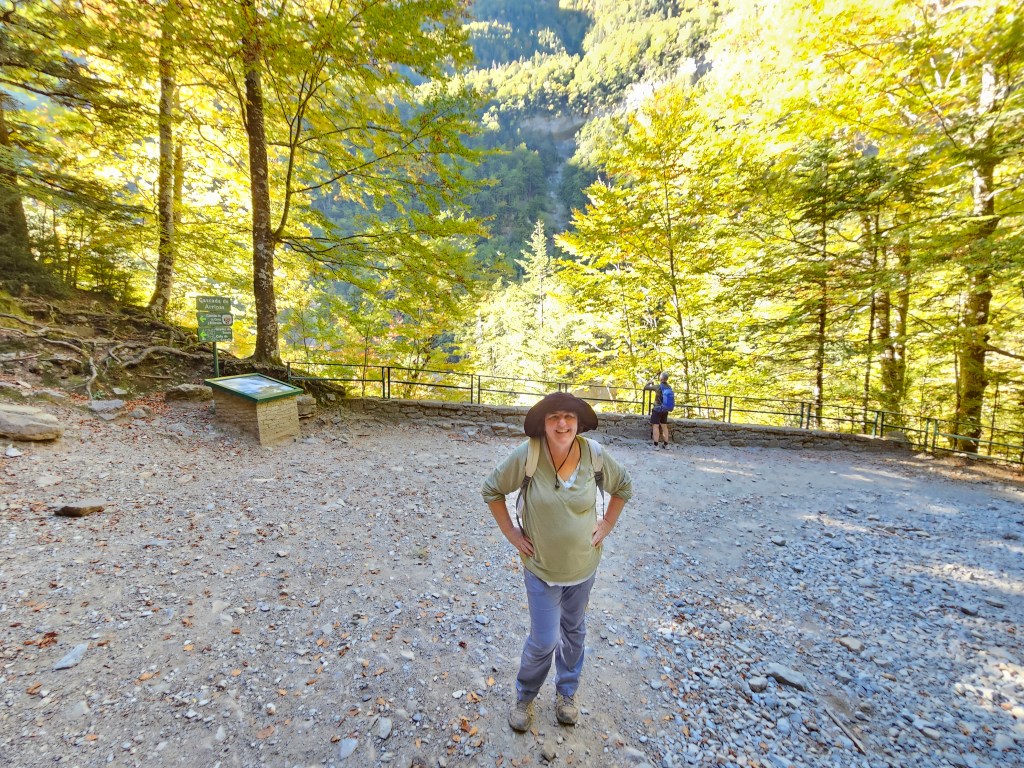
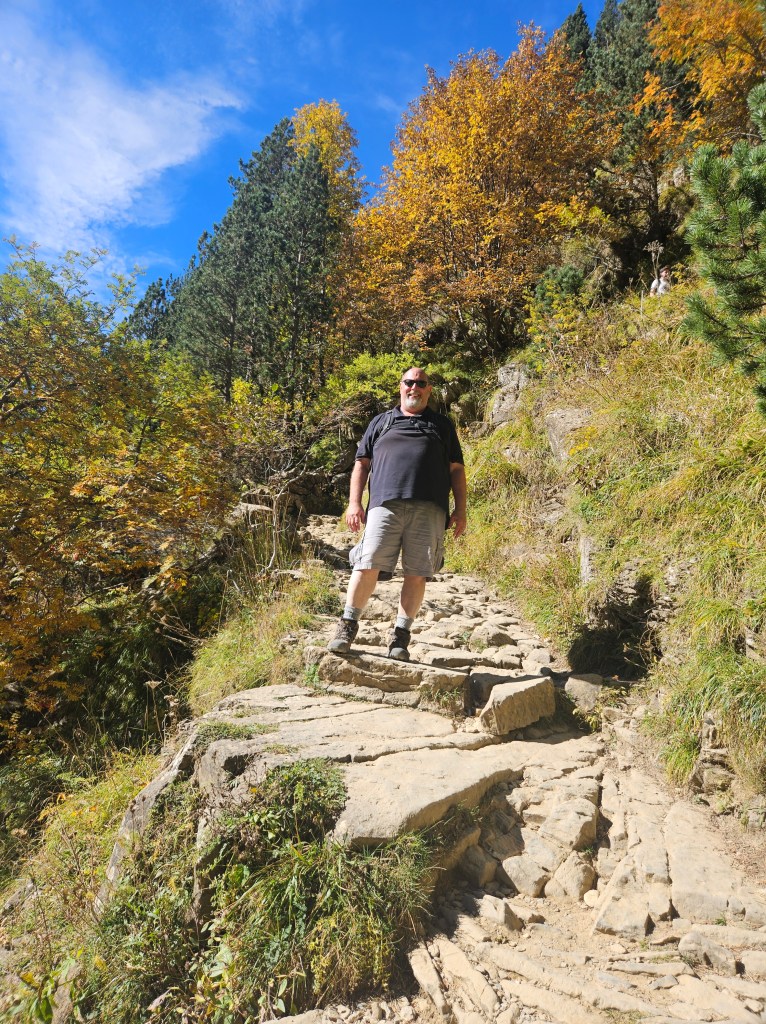
    We did one of the most popular trails, to the Cola de Caballo waterfall. The hike is about 16 kilometers, plus some side trails, with a 600m (almost 2000 feet!) elevation gain, and took us almost 7 hours. It was worth it!

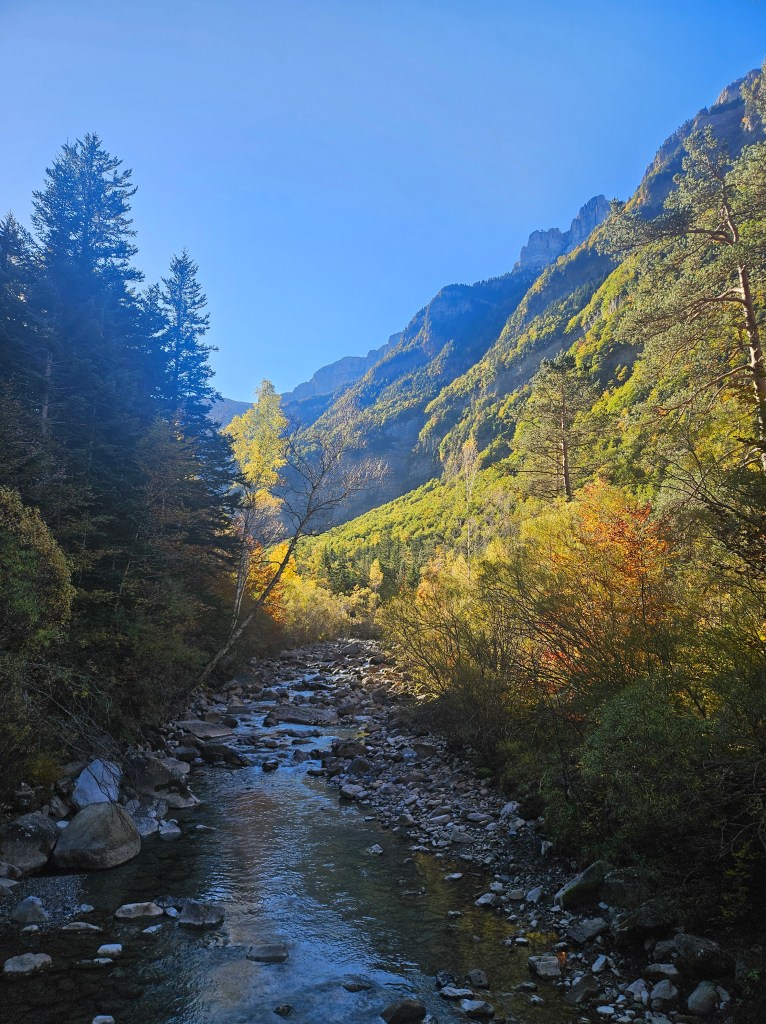
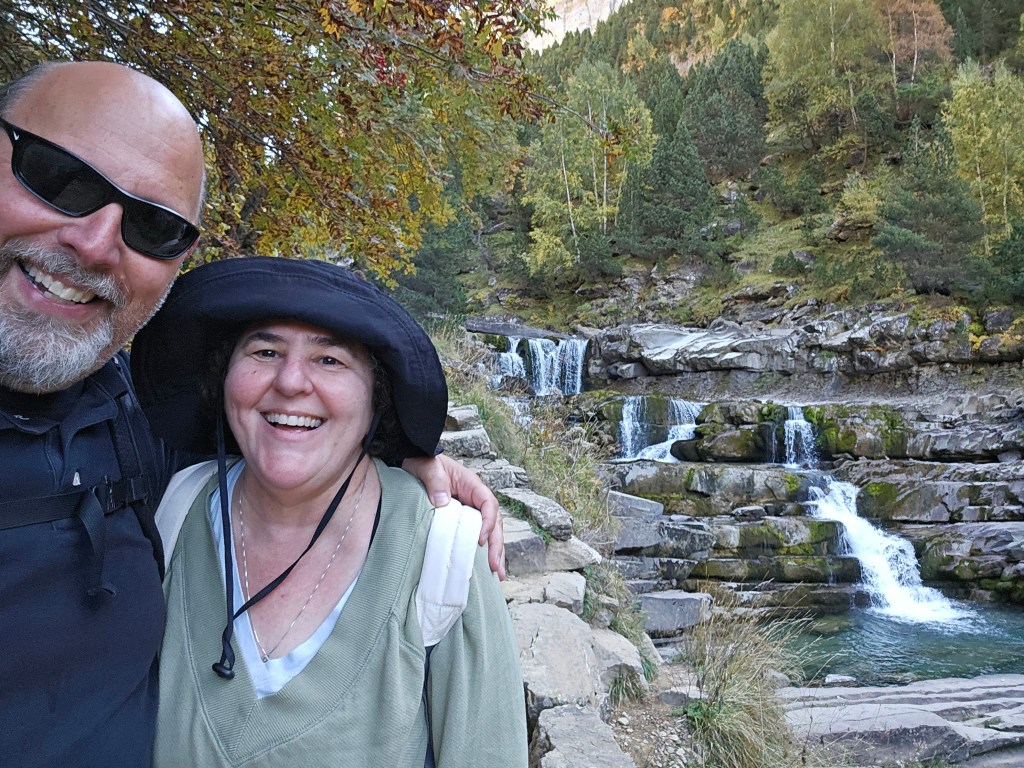
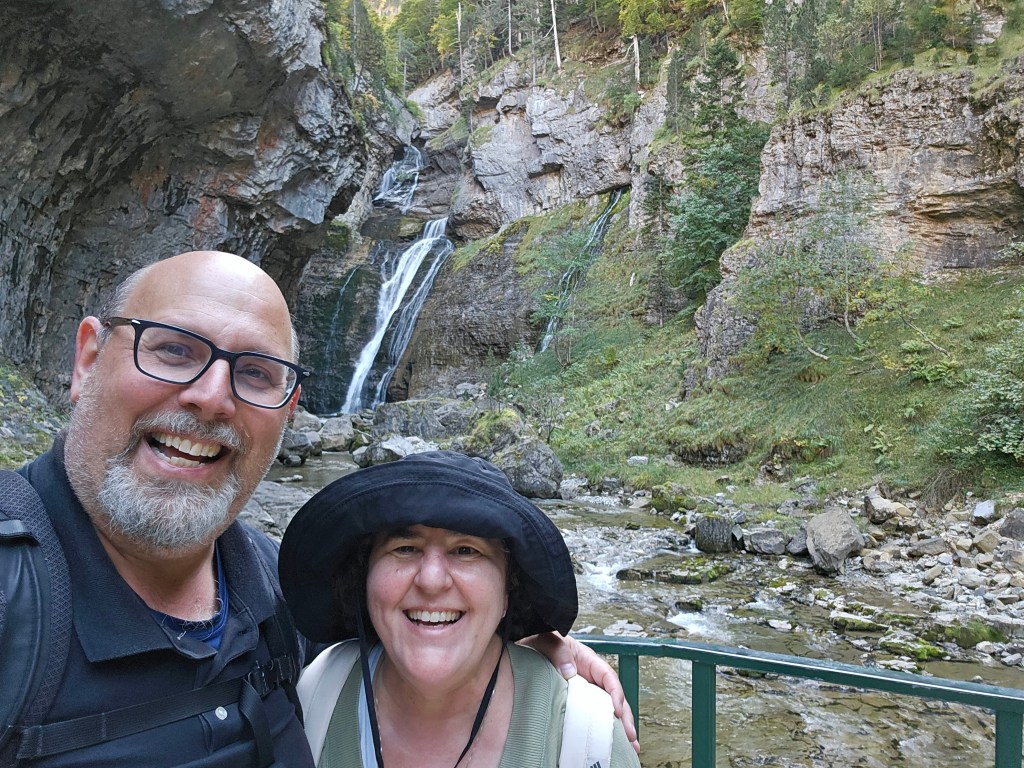
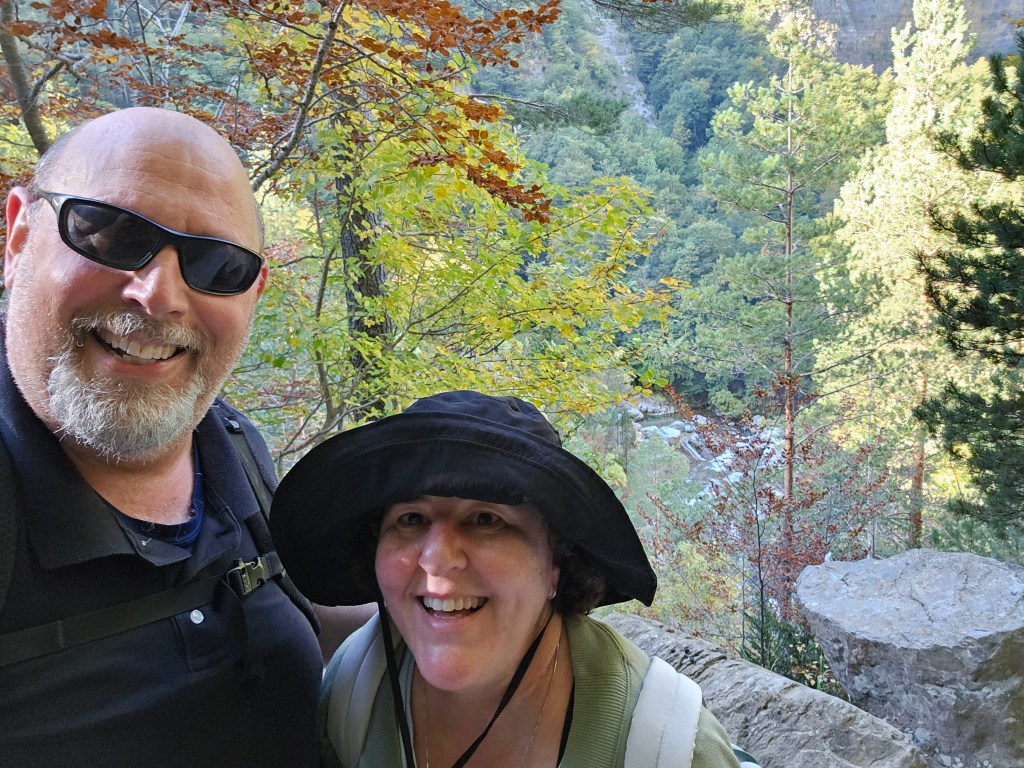
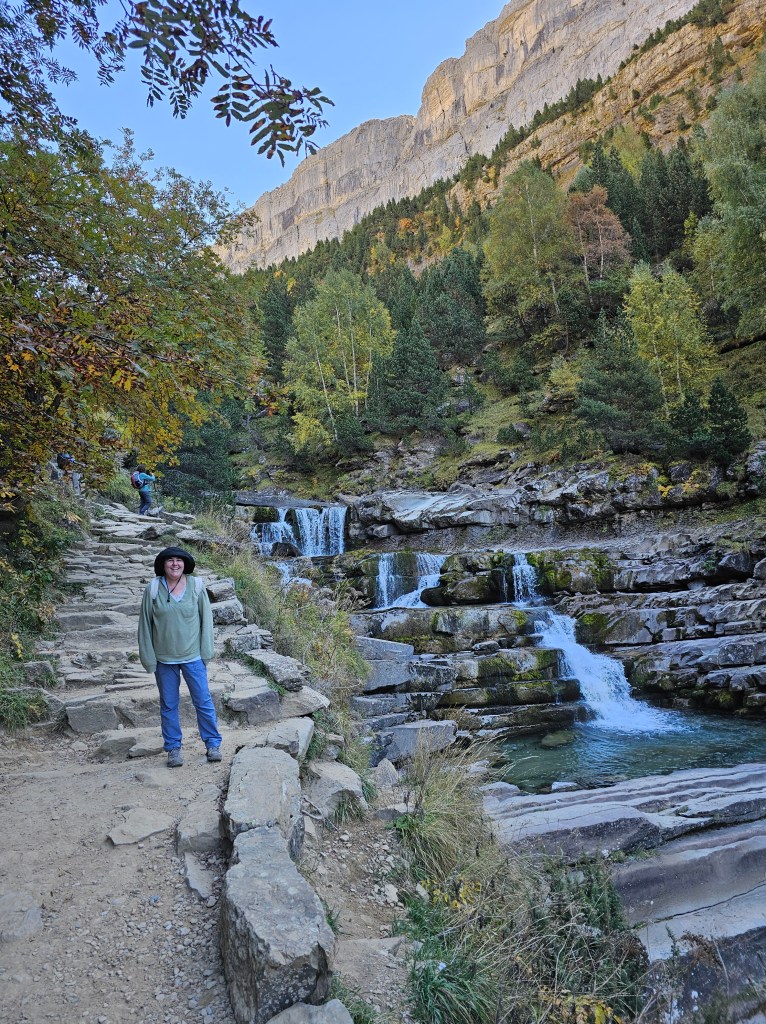
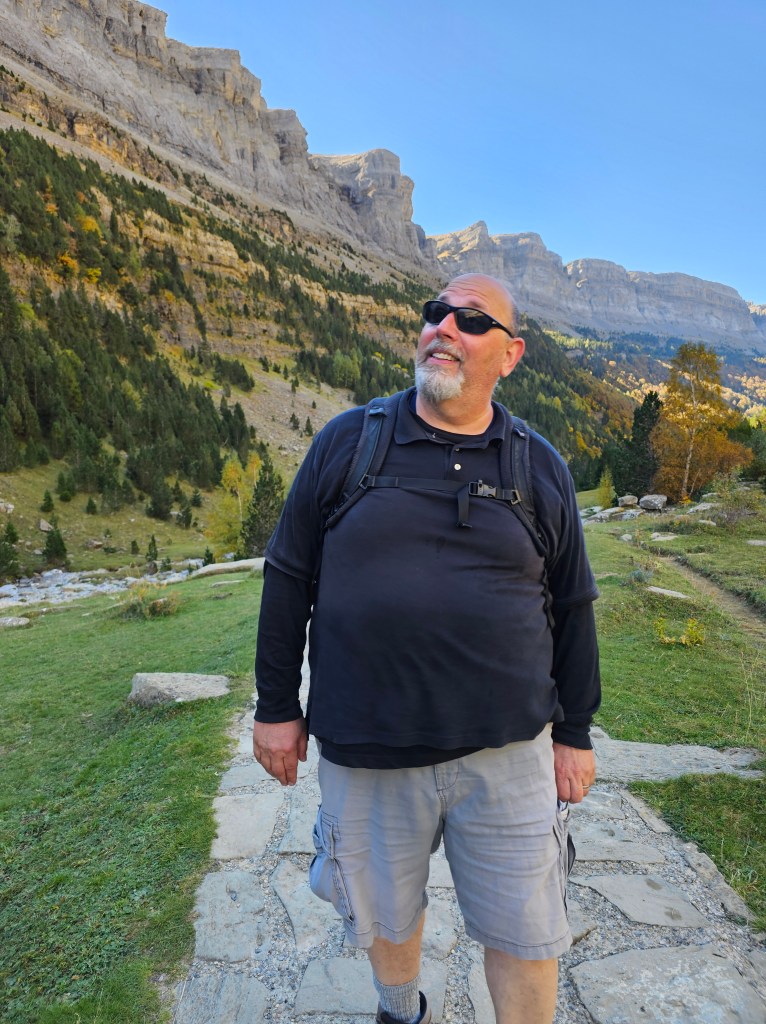
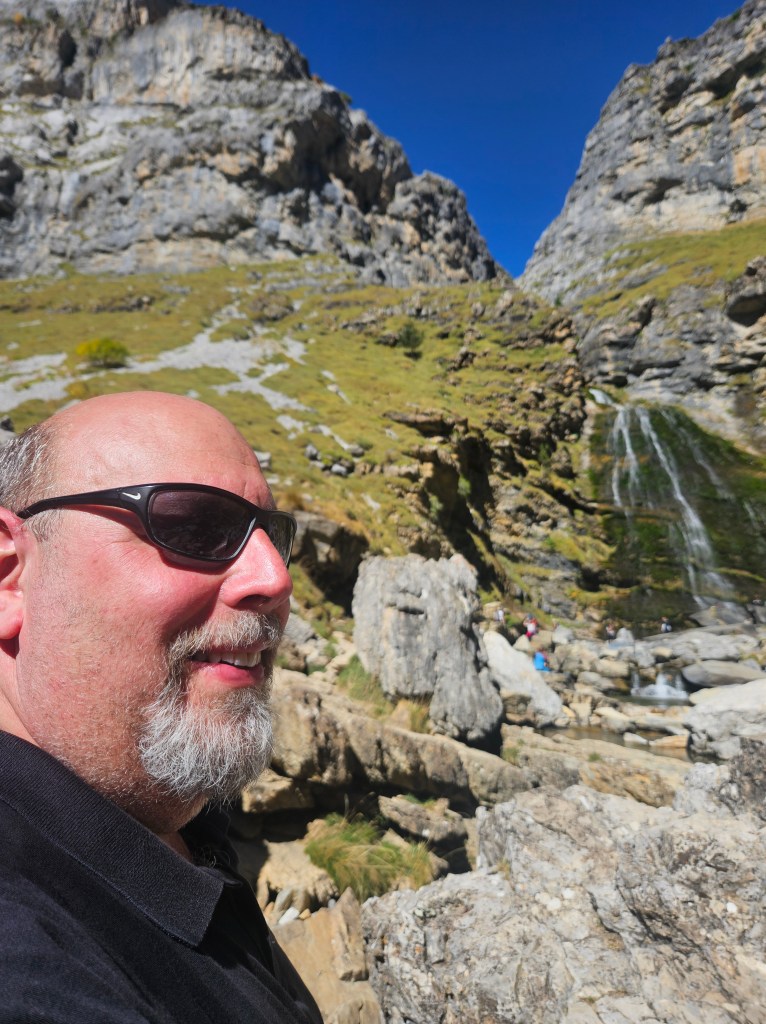
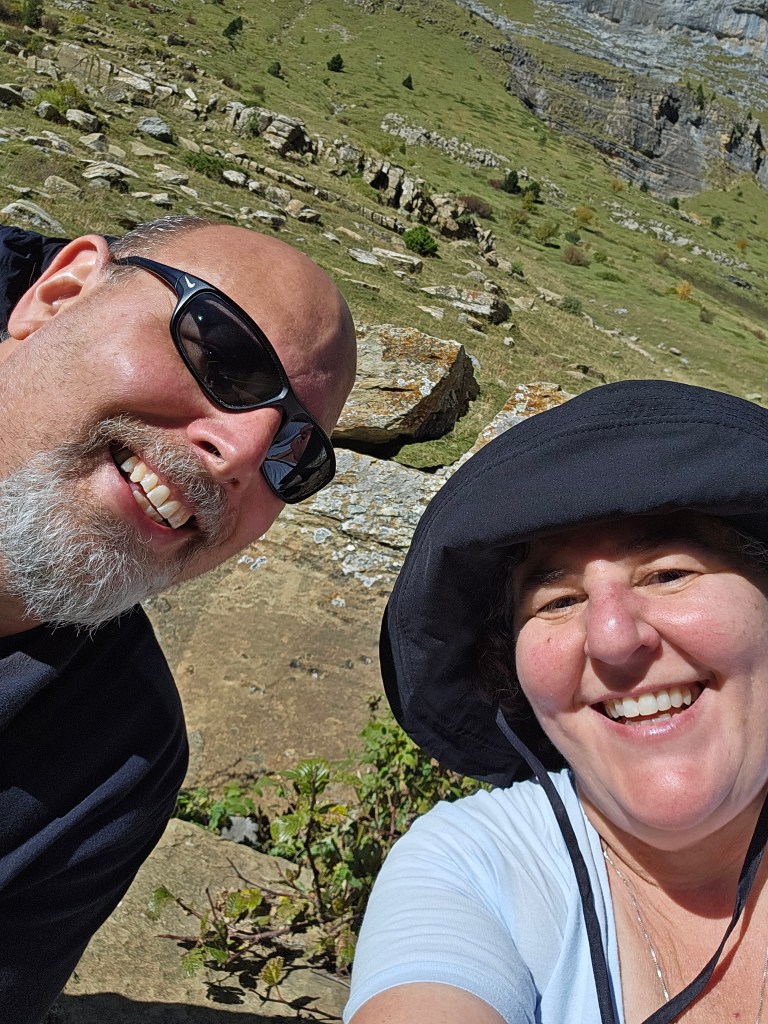
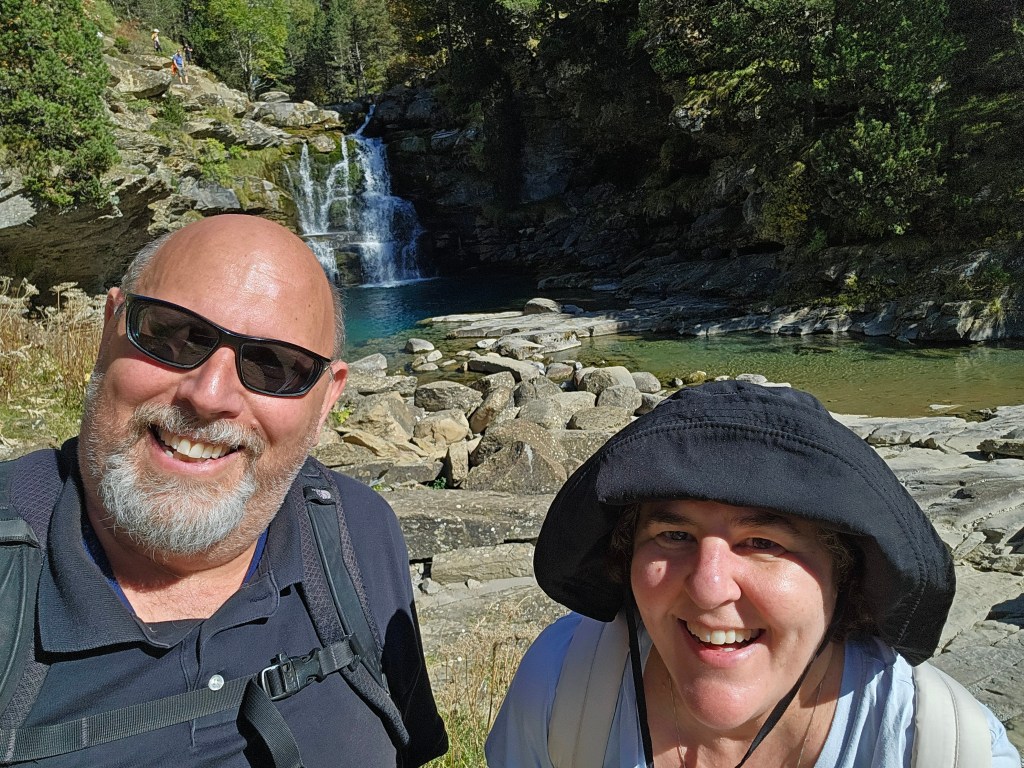
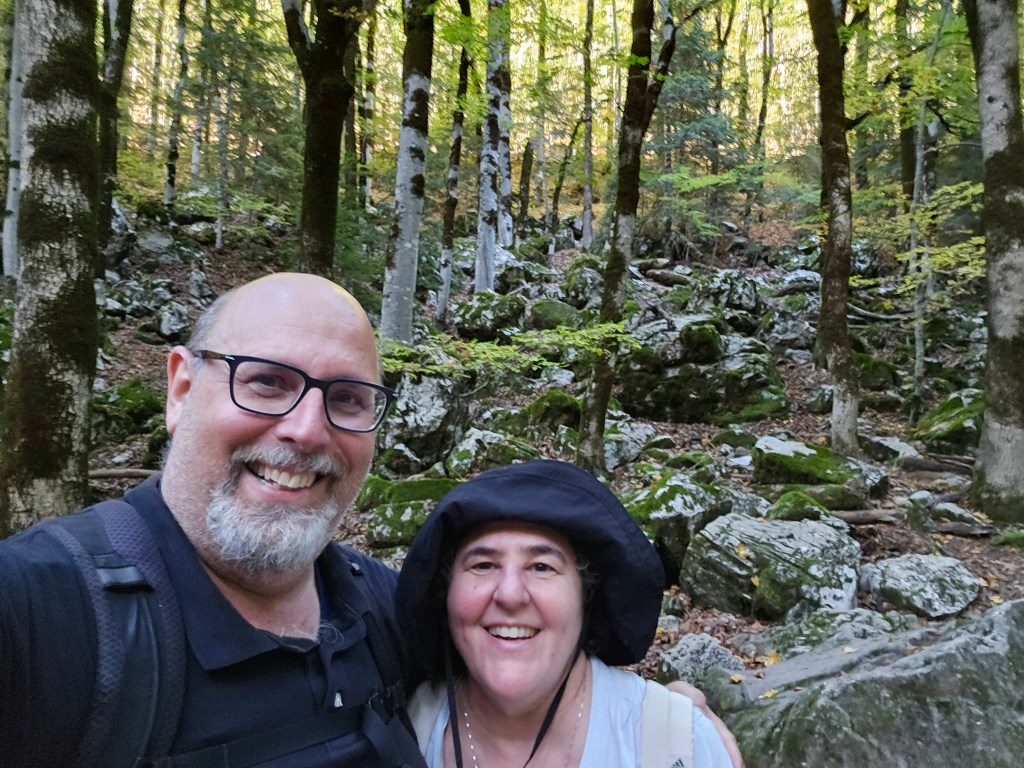
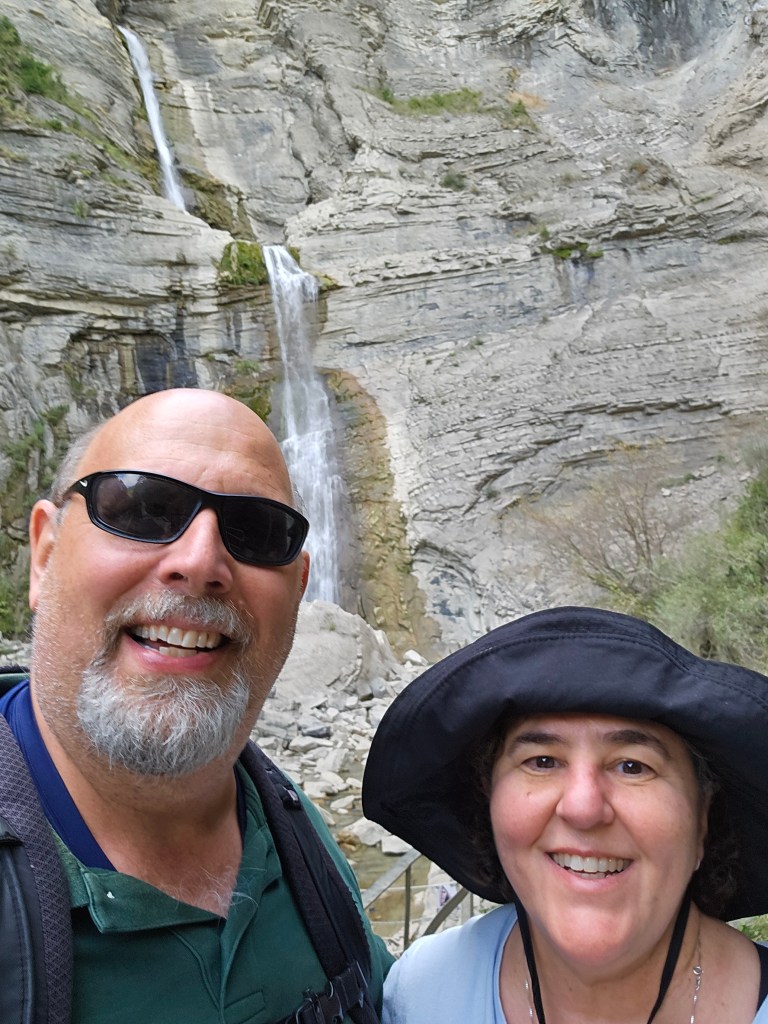
    The trail goes by several waterfalls on the Ara river, slowly (and at times, quickly) gaining altitude. Emily, Russell, and Emily’s hat all enjoyed the views. The leaves are starting to change color, making us feel better about missing our beloved Central New York autumn.
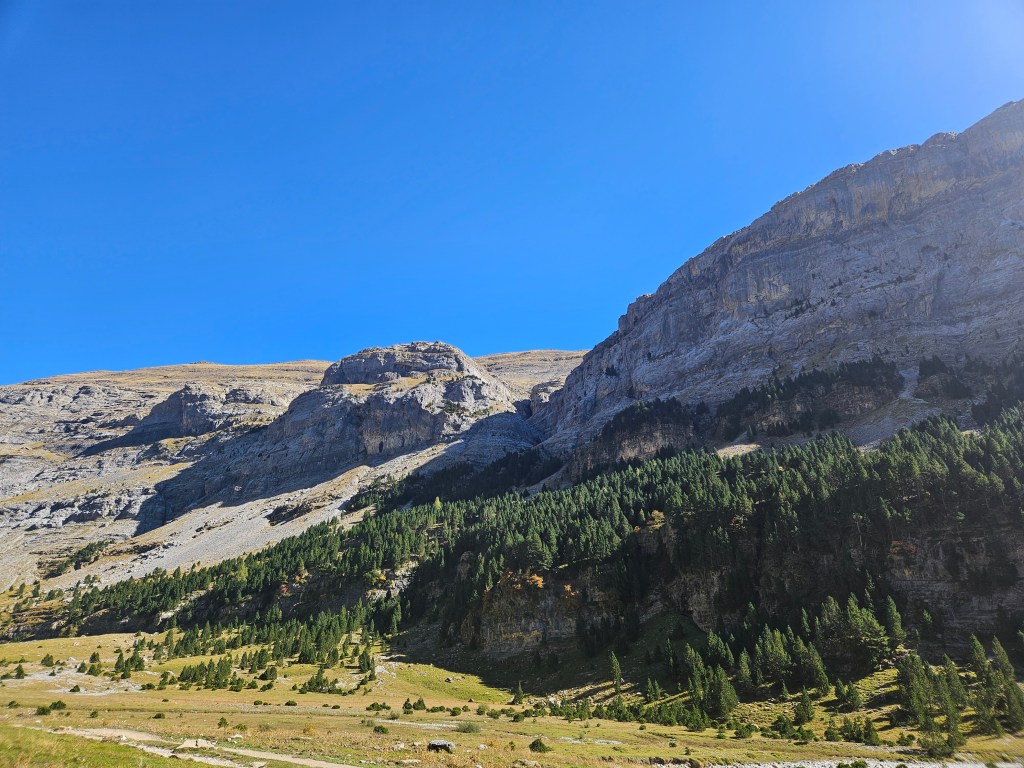
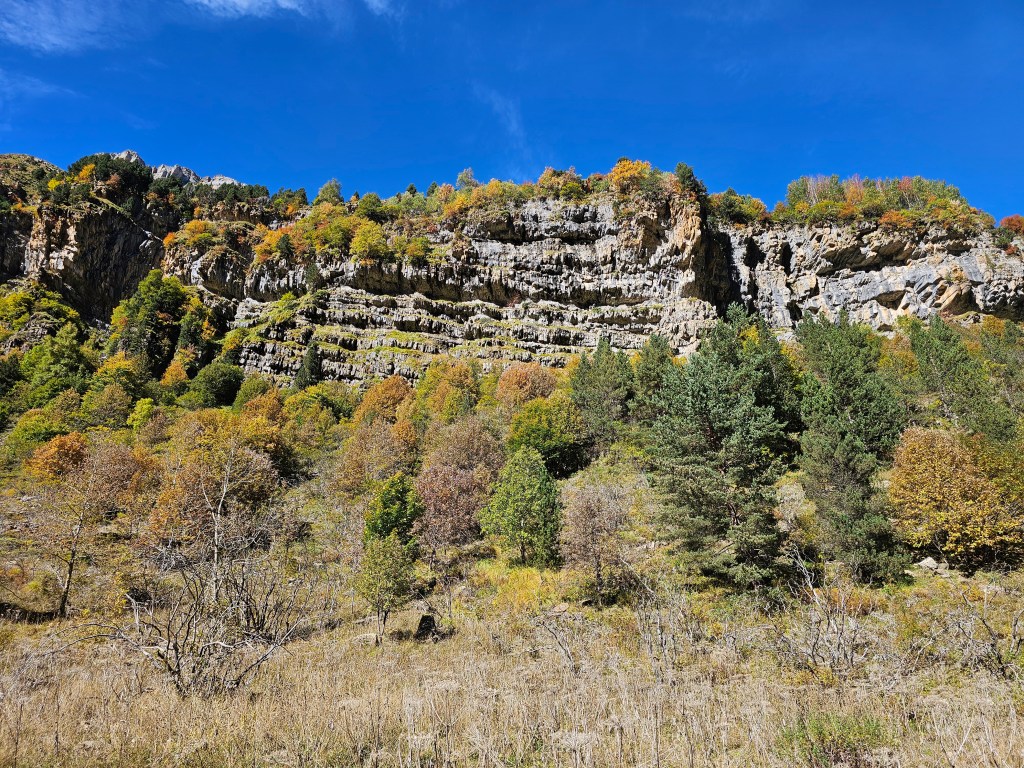
    The trail along the river is sometimes through the woods, and sometimes opens up to the most spectacular views. The valley is remeniscent of Yosemite or Zion, looking up at the grand mountains.
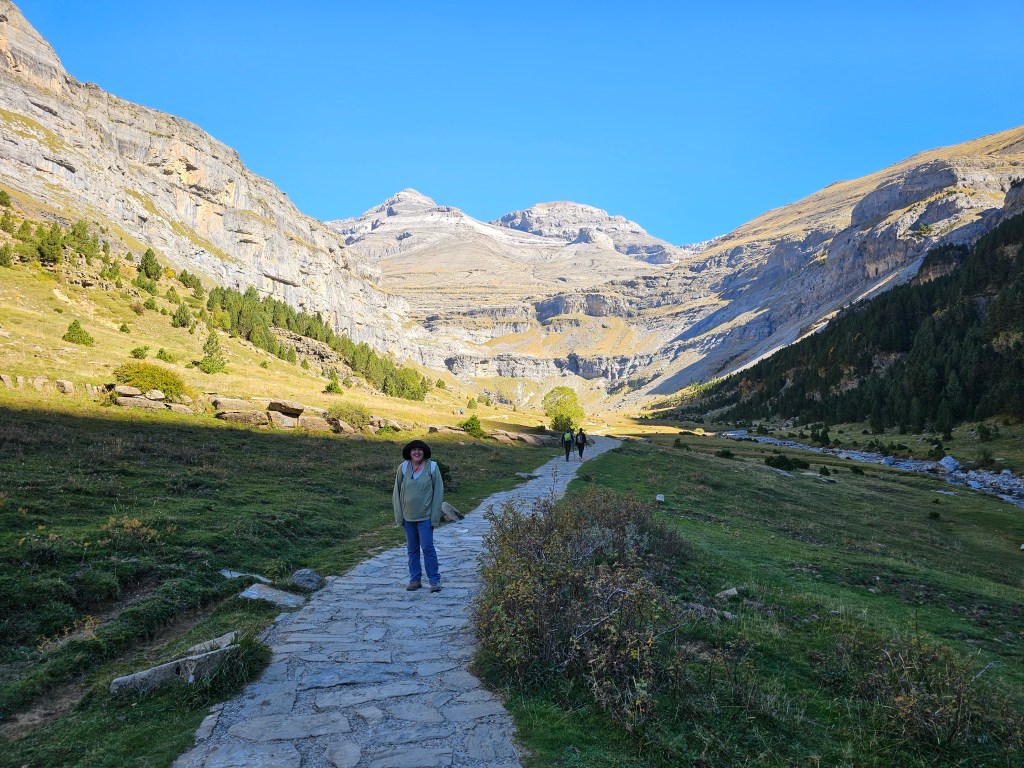
    After the waterfalls, the trail opens up to a flagstone path. The trail is heavily traveled, and in this part there were numerous picnickers. The day was sunny but not too hot, a perfect day for a long hike under awe-inspiring cliffs.

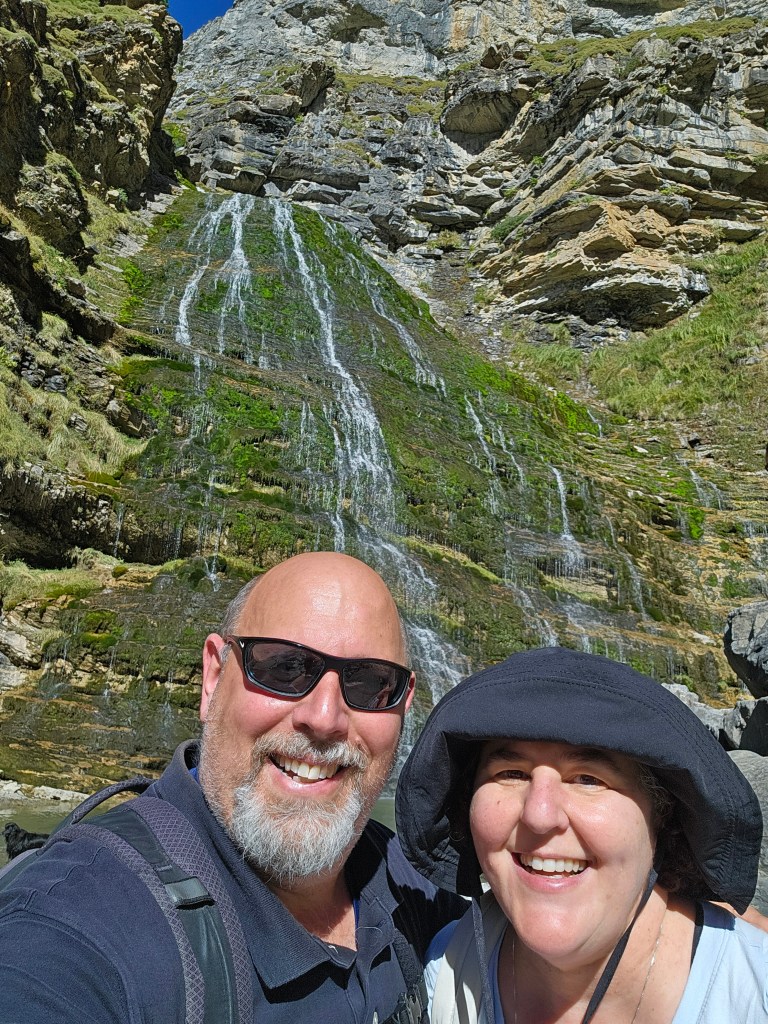
    The hike ends at the Cola de Caballo (horsetail) falls. The flow is a little light in October but still beautiful.

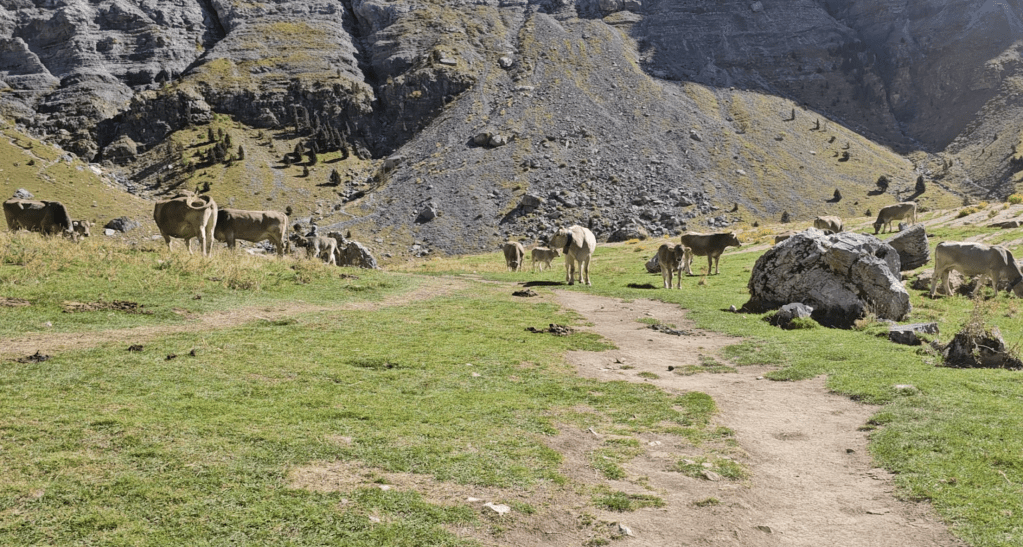
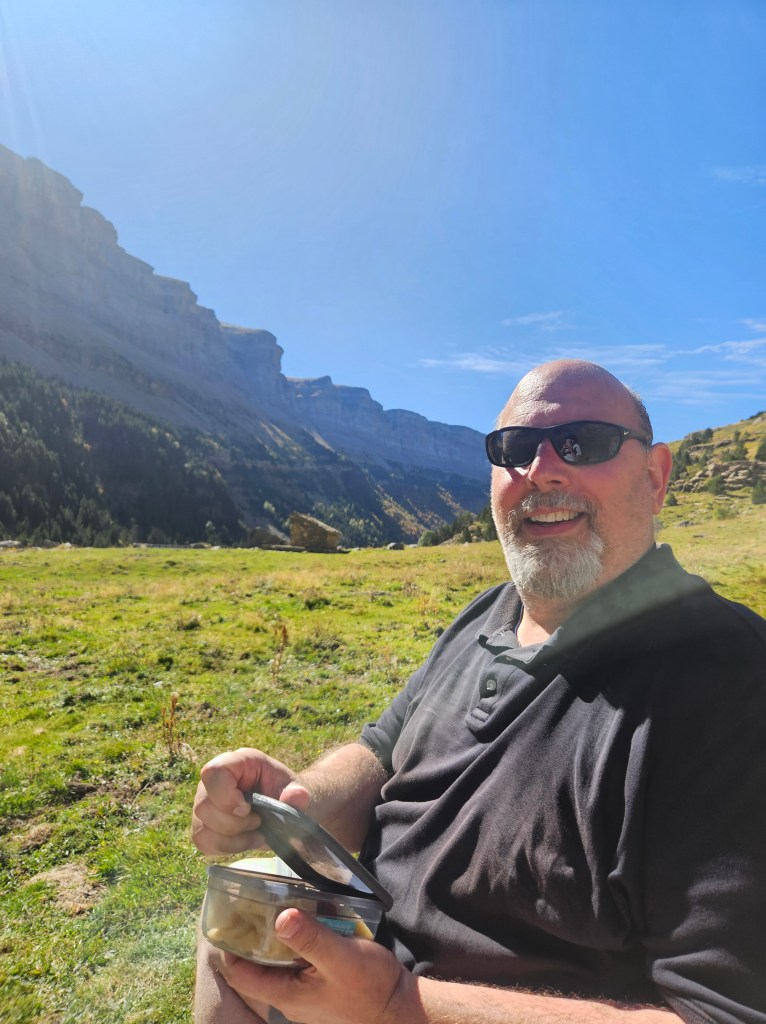
    After the falls, we started to head back and stopped to eat lunch. The trick is to avoid the cows. And the cowpoop. The cows were really a surprise; there were a ton of them at this part of the trail. They are not universally loved as park residents, but apparently there is a long tradition of cow grazing there. We did not see any cowherds tending to them. In parts, we did have the constant song of their cowbells.

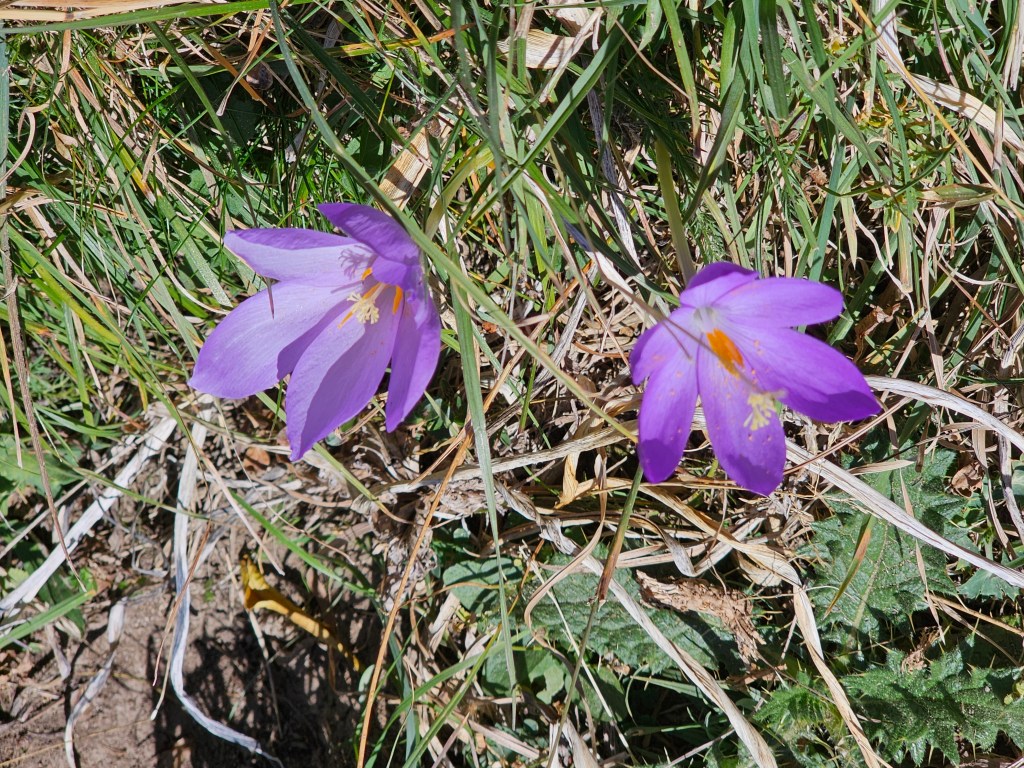
    We were surprised to see Autumn crocuses, which it turns out are native to the Pyrenees. Saffron is cultivated from crocuses, but not from this species which grows in the wild.

    More beautiful views on the way back. We were a little confused by the crowds. At times there were tons of people and at other times none. There must have been some shortcuts to get to the end of the trail. By midway through the hike out, we were definitely feeling it.

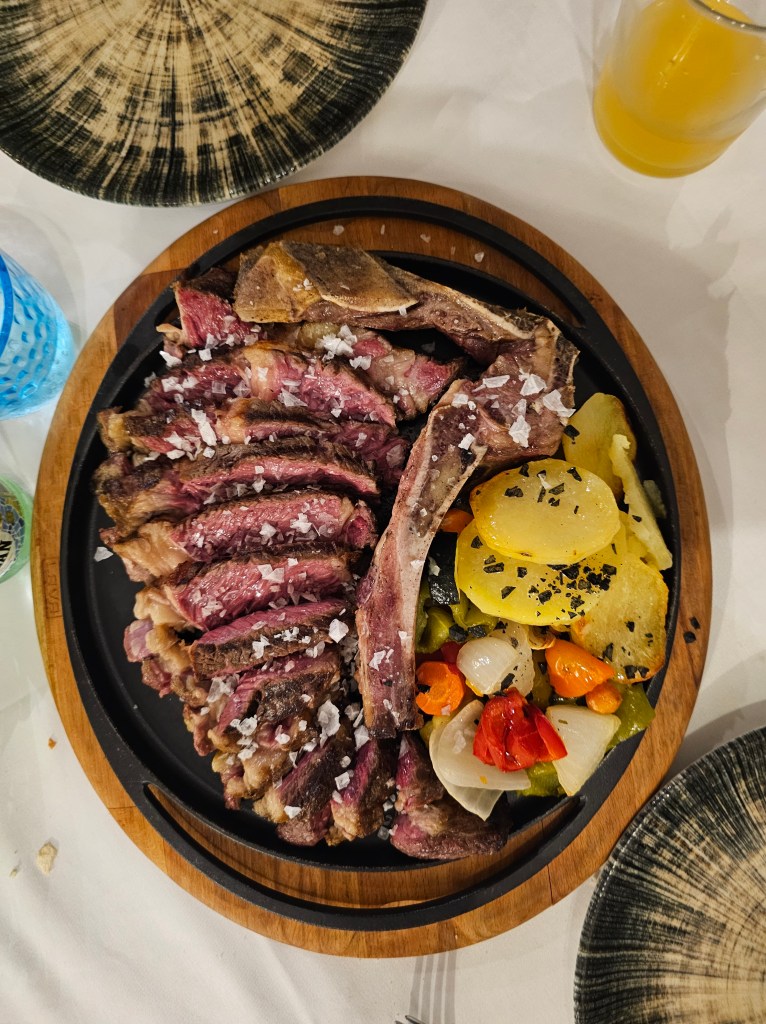
    We were pretty tired by the time we made it back to the bus ~38,000 steps later. After getting home and resting, we enjoyed a lovely Aragonese dinner.

    Truly one of the most spectacular hikes of our lives!

  • As we were leaving Huesca, we were a little sad. We loved it, perhaps more than anyone else does, and we were wondering why we were leaving. We got over it.

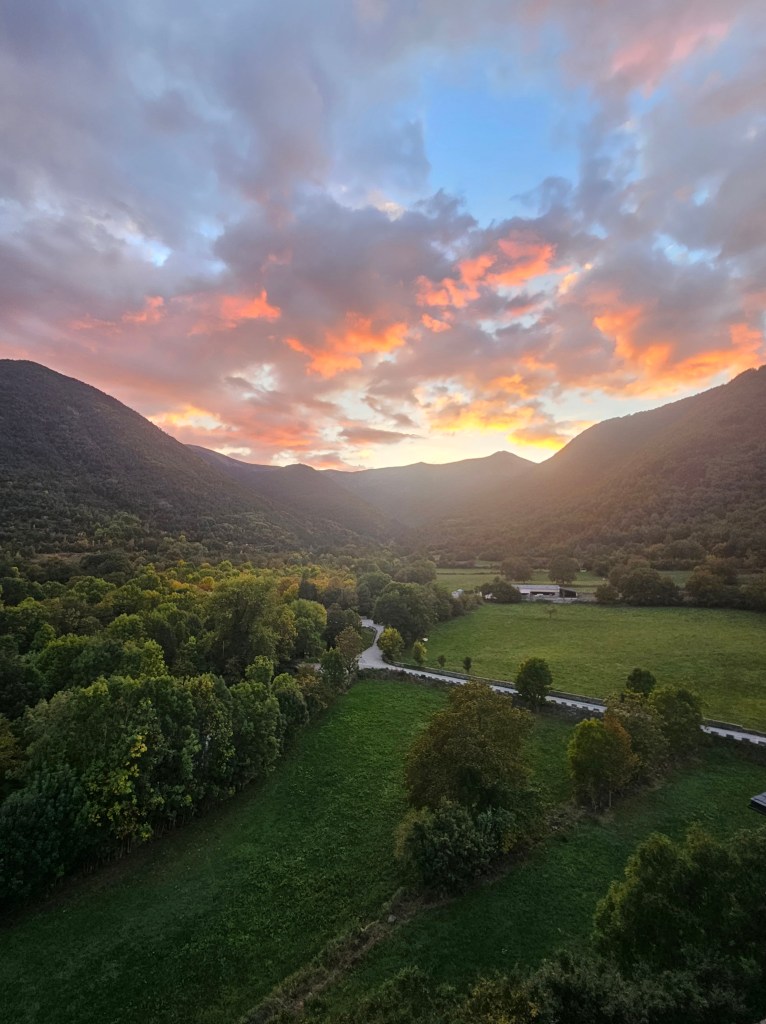
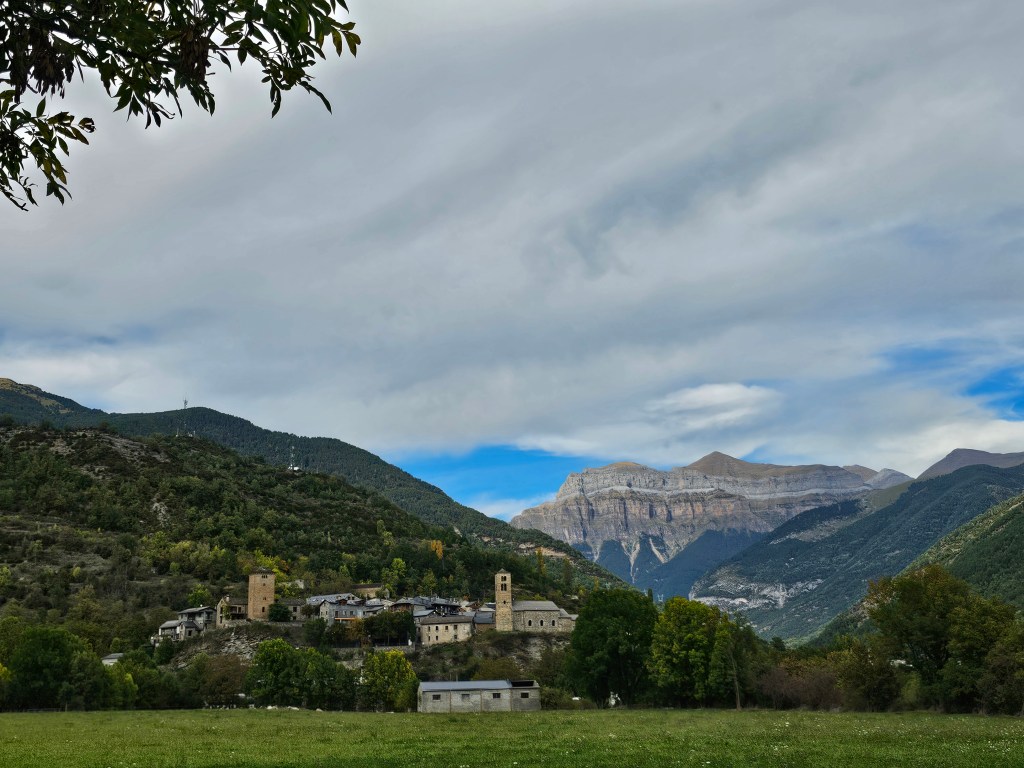
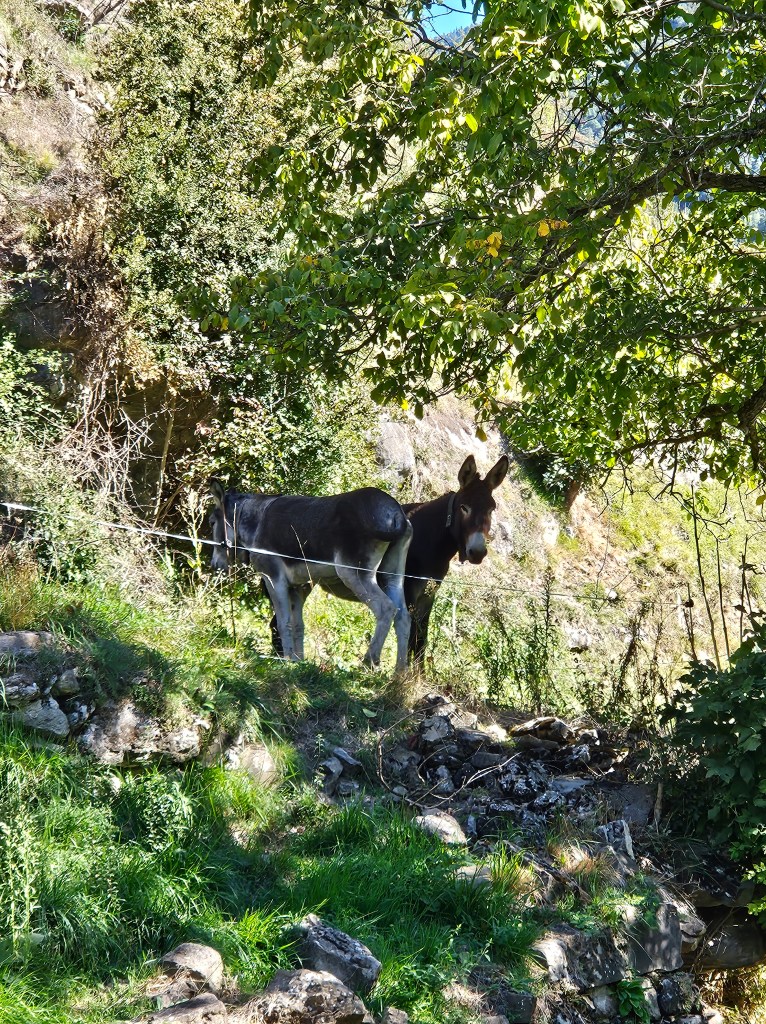
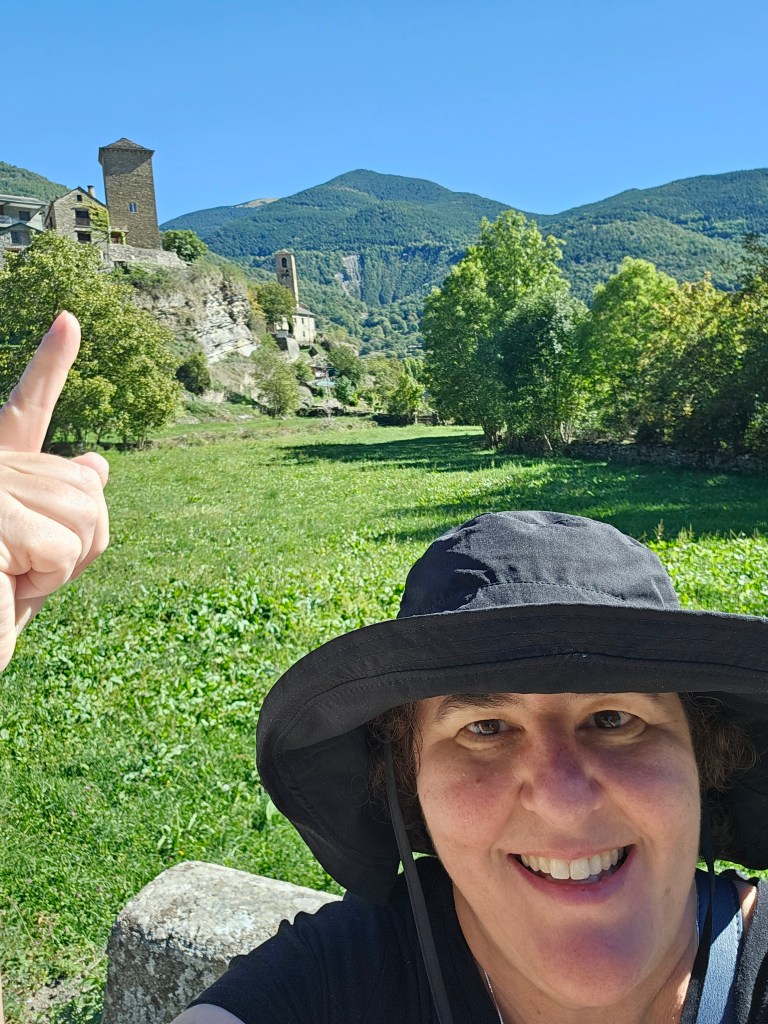
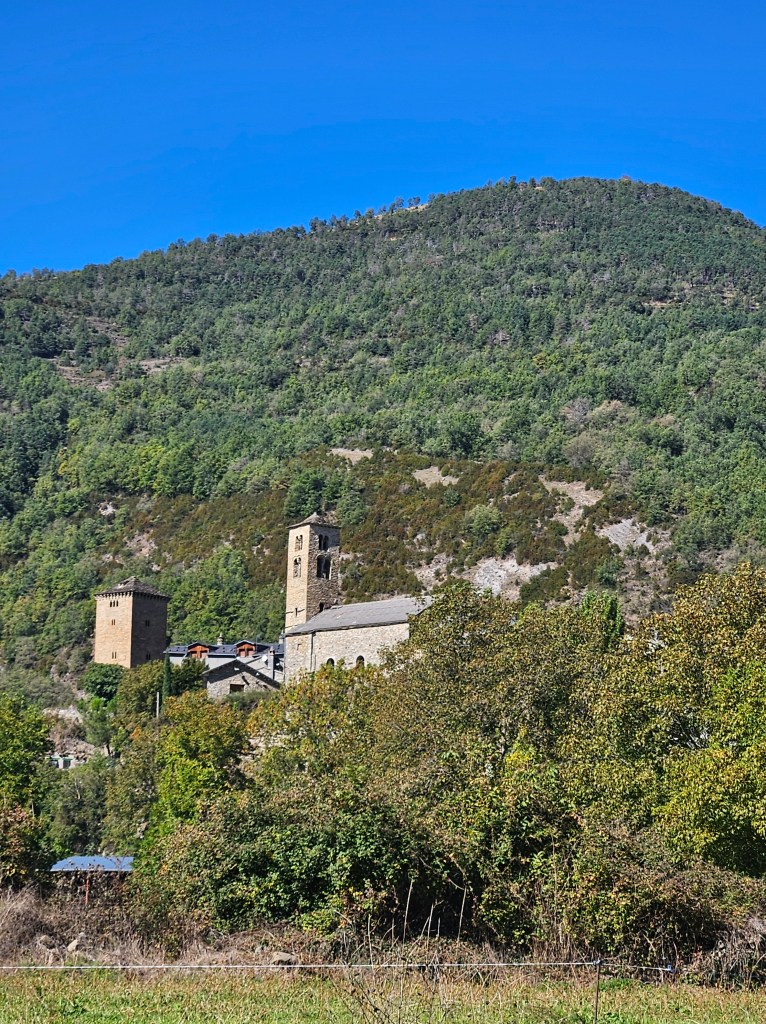
    We are staying in the village of Oto, in the building with the wider tower, on the left in the picture above. The view from our balcony is stunning, and we can hear the bells of the cows and donkeys in the morning

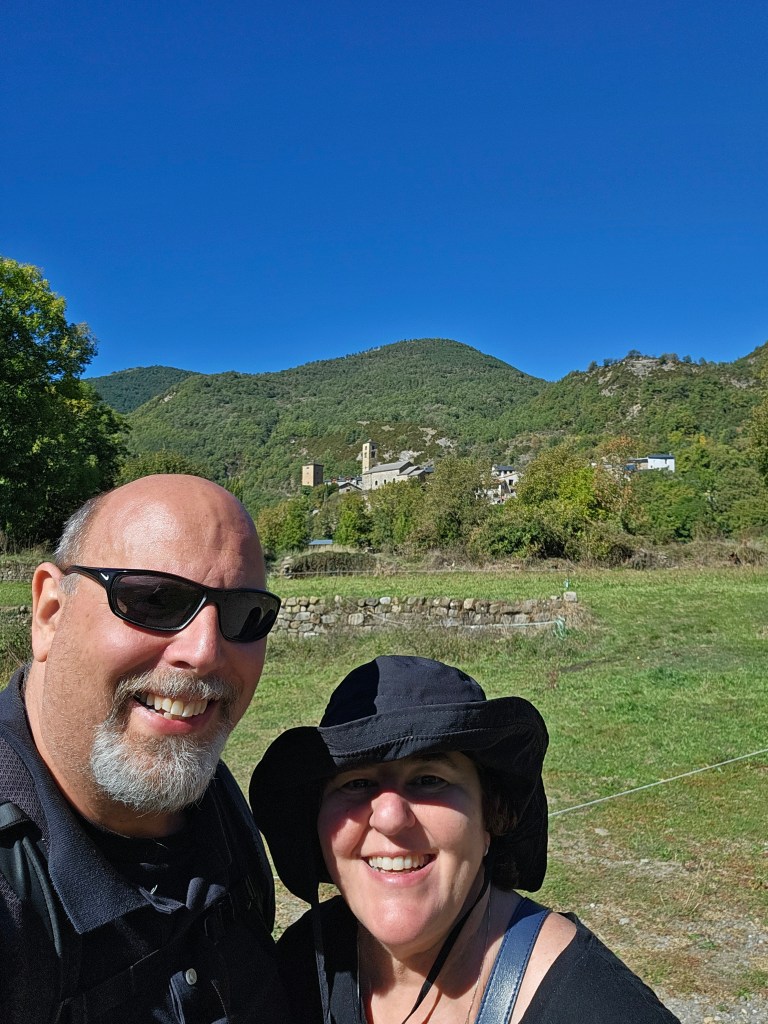
    We walked in the valley below Oto and had lovely views of our house. We are not staying in the tower itself, but part of the building. We’ll share interior picures later.

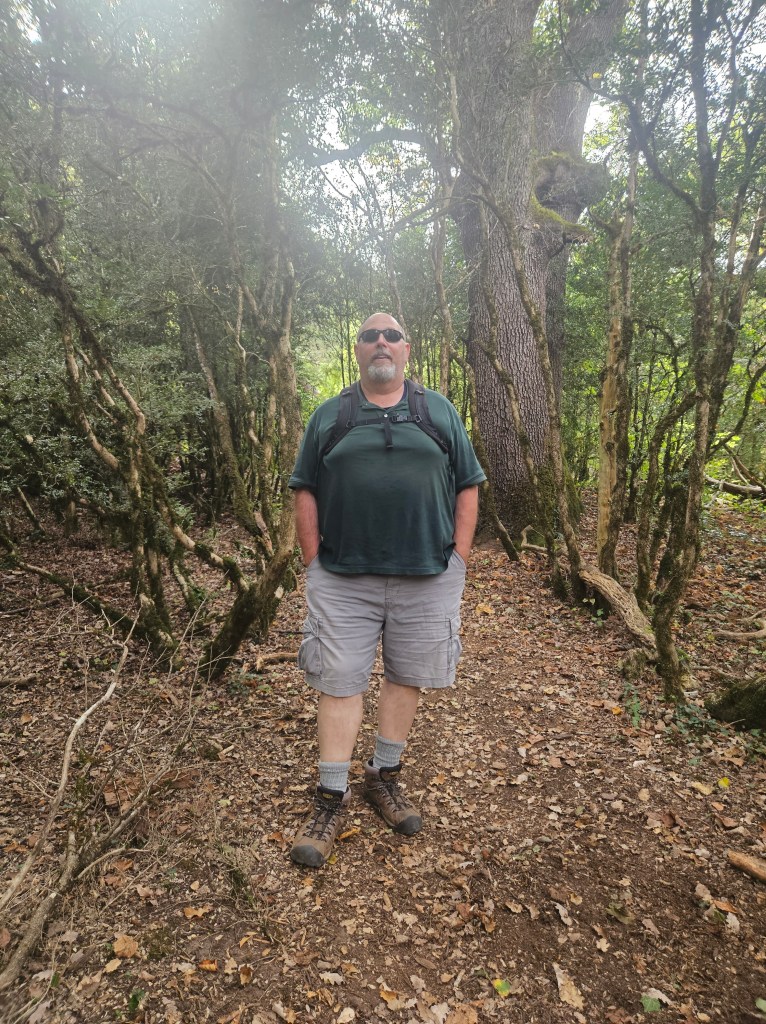
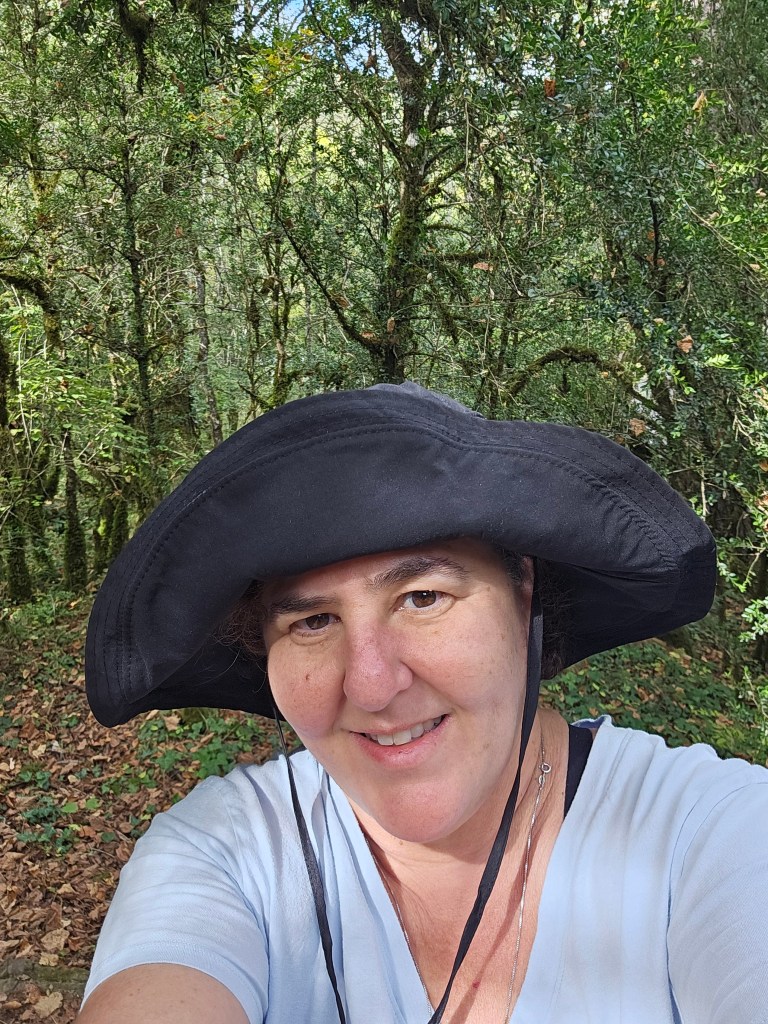
    Just below us, there is an old, protected forest, La Mosquera de Oto, with moss-covered boxwoods and Portuguese oaks, which feels like a fairy forest.

    There are no services in Oto, but the town of Broto is a quick drive or 15 minute walk away, and there are plenty of restaurants and shops. It is a lively little town, definitely geared towards local tourism. This is a shoulder season, and the activity increases on the weekends. There is a pretty waterfall, Cascada del Sorrosal, at the edge of town.

    Torla is another nearby town, a 12 minute drive, and is the gateway to El Parque Nacional de Ordesa y Monte Perdido (more on that in the next post!). We are again confused how towns end up on the list of prettiest. These are all very charming.

    During our week in Oto, Russell has had to put aside his book writing to concentrate on other work, including two interviews and a presentation that he is planning for his upcoming visits to Edinburgh and The Hague. The rhythms of our day are pretty much as we planned, with quiet work and reading mornings, in the beautiful living area with big picture windows (and terrace) looking out over the valleys, and more active afternoons. We’ve had three lovely dinners in Broto and cooked enough pasta and sauce one night to serve for dinner and three yummy lunches. The weather has been spectacular, with pleasantly chilly mornings and gloriously sunny afternoons. Russell’s ears are doing a little better and are certainly no barrier to anything we’re doing.

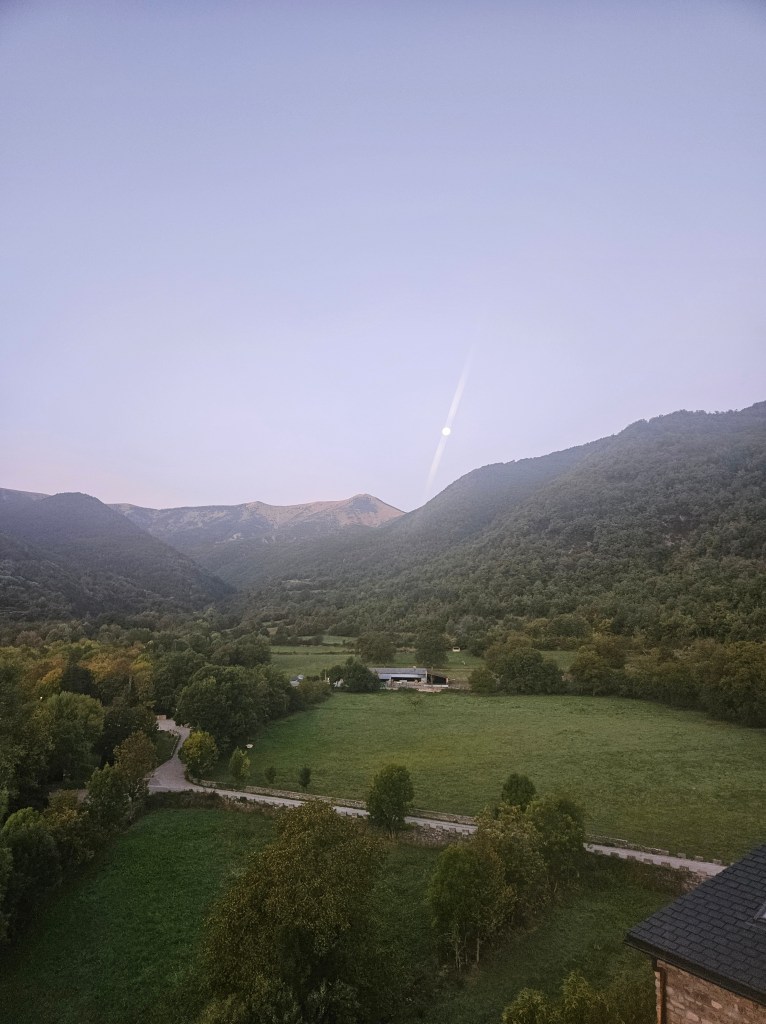
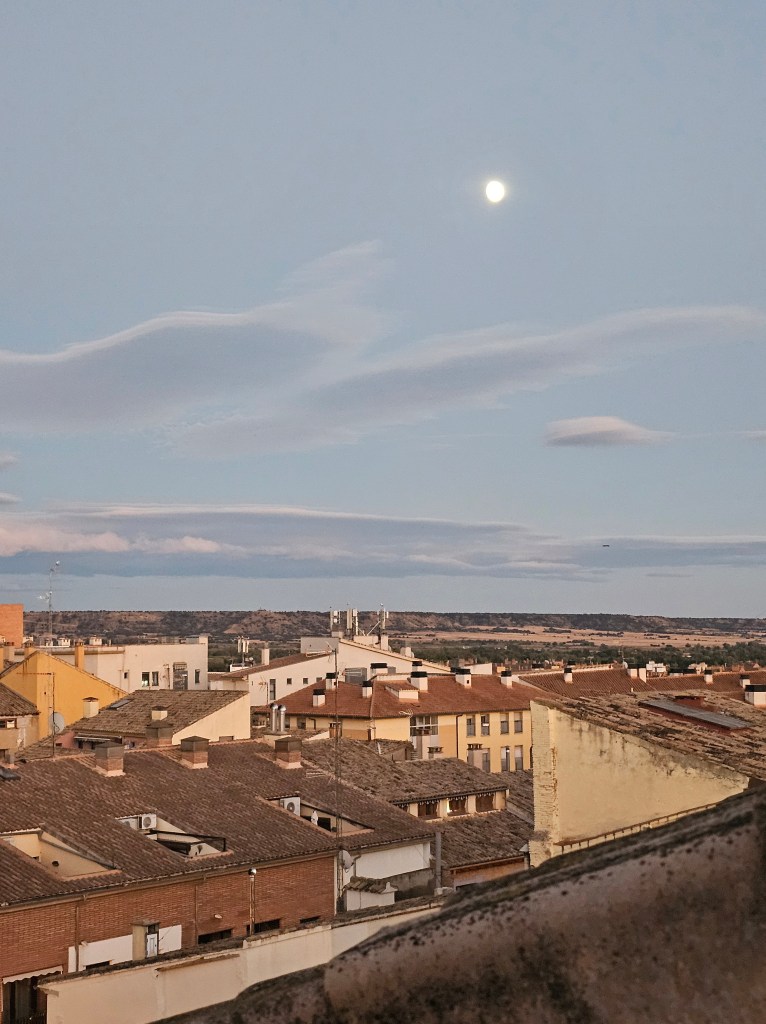
    We can’t get enough of the view from the terrace, here with the morning moon. We are so lucky to be here!

  • On Sunday, after the sun rose on our balcony (sunrise is after 8am), we left the city of Huesca to drive north to the Spanish Pyrenees. Where we’re headed is still in the province of Huesca, which goes all the way to the French border and is part of the Autonomous Community of Aragon.

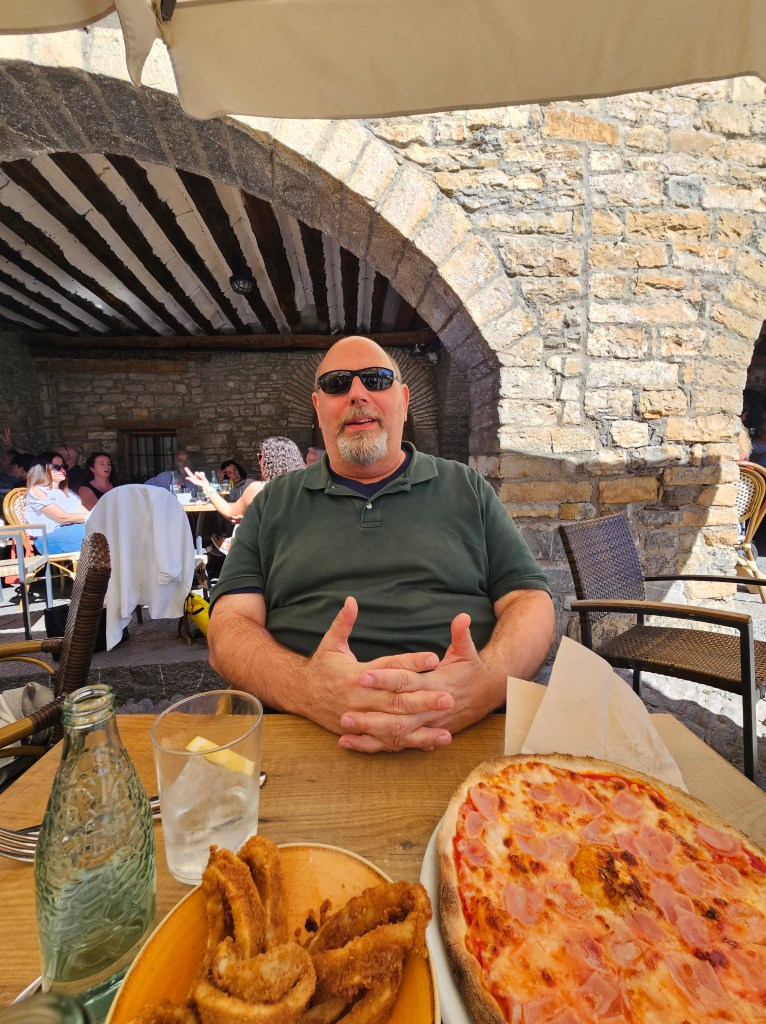
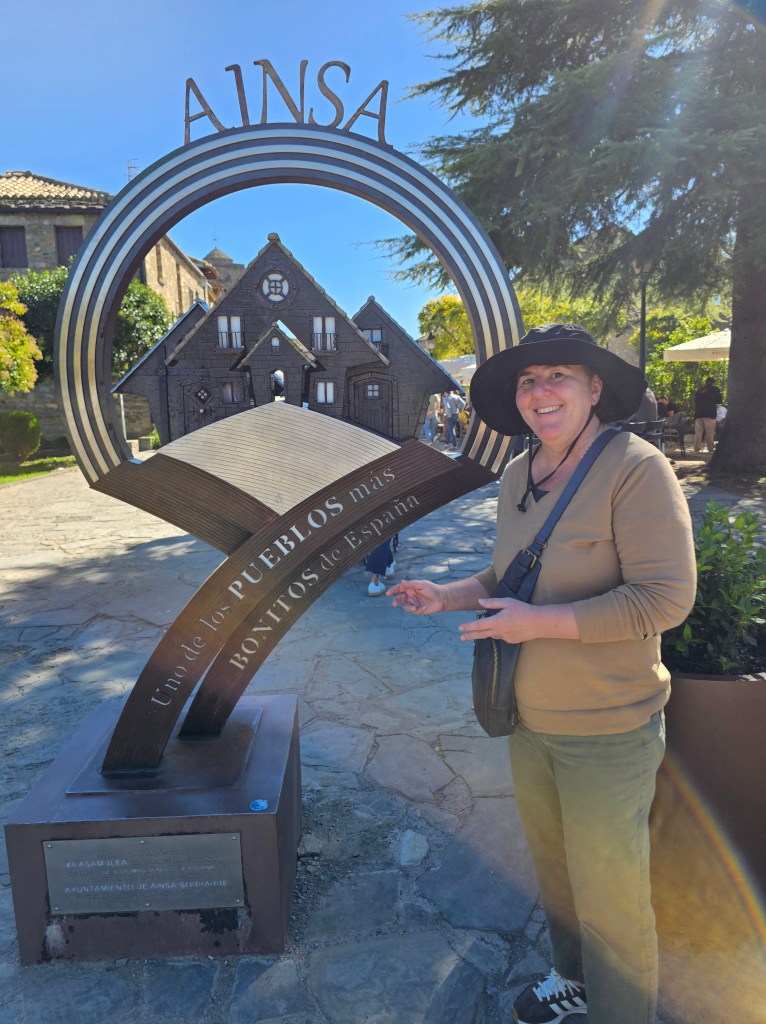
    We stopped about two hours into our drive north in the town of Ainsa for lunch. This was our most disappointing meal to date. We were hungry and choose the first place we saw, which was too touristy. Ainsa is another on the list of prettiest towns in Spain, and we’re still not sure how they make the list since we’ve seen a lot of very pretty towns. The town was packed with weekend travelers, but still everyone was Spanish or French; we spoke with a British couple, who were the only English speakers we met. It was a lovely town to walk around.

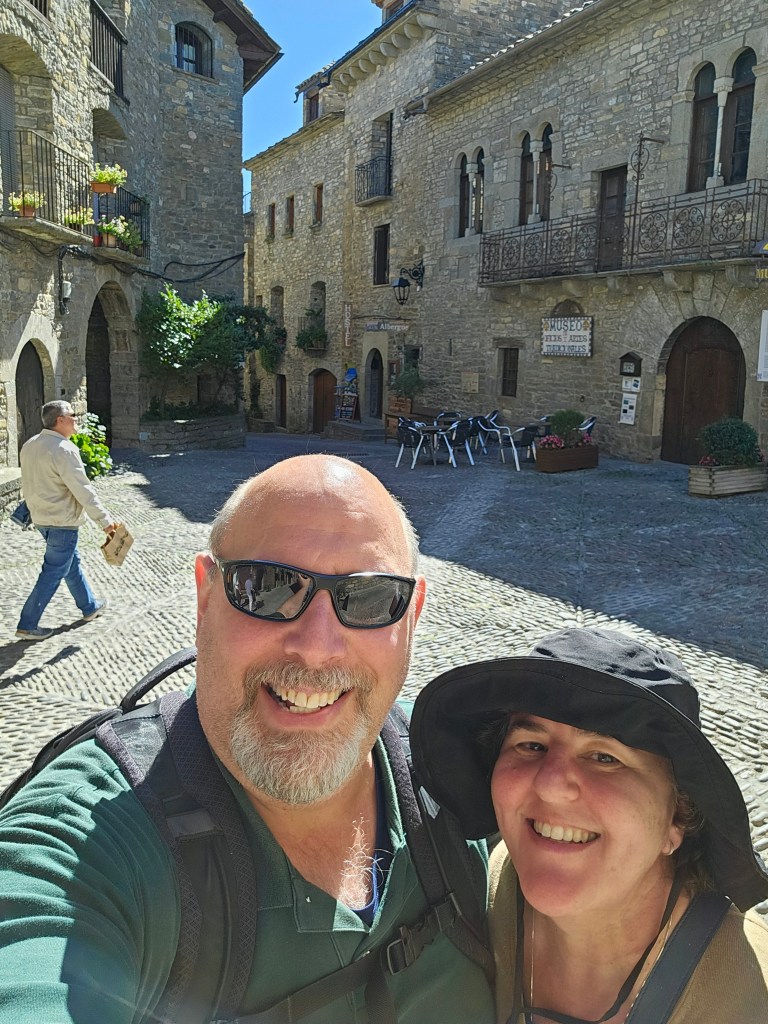
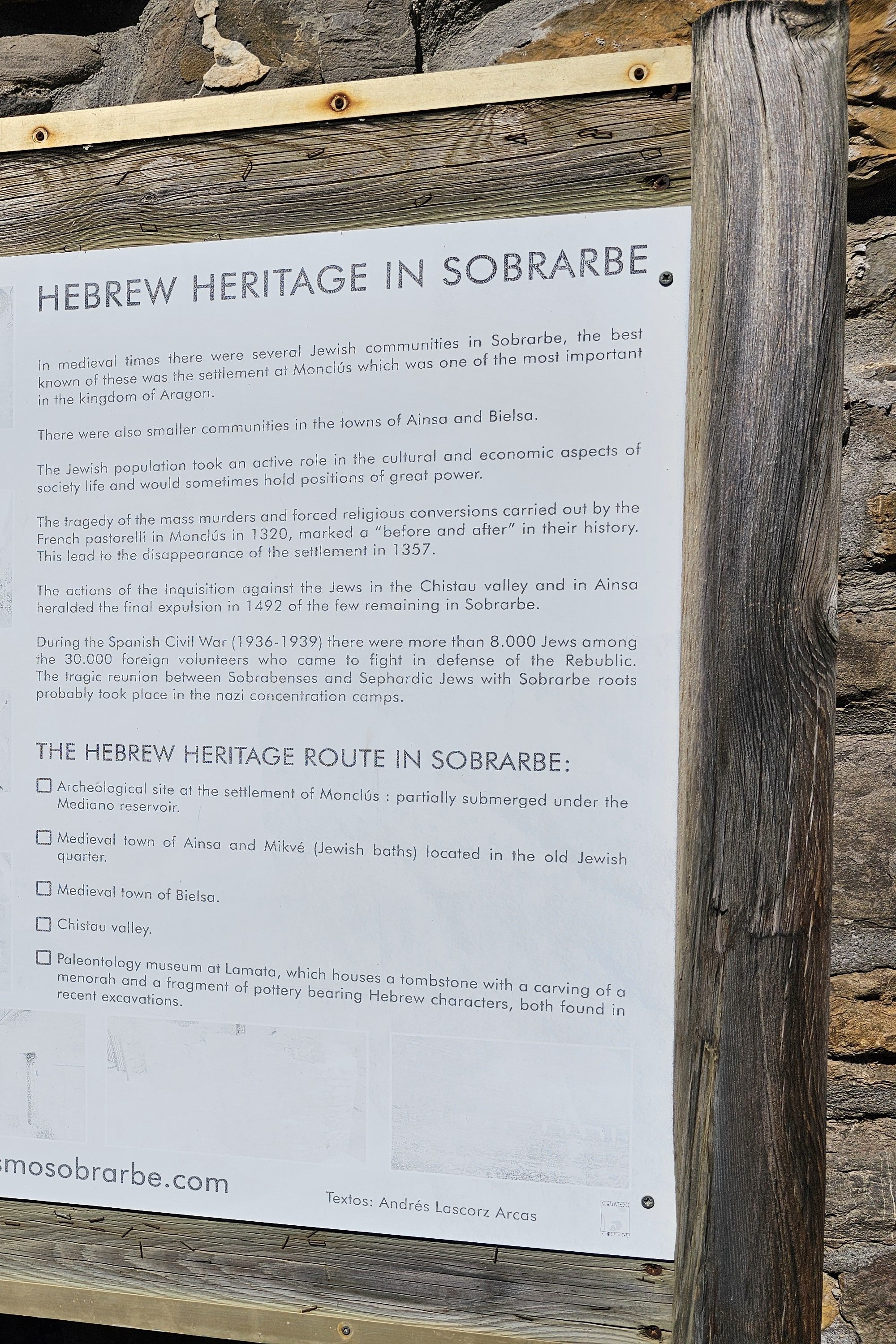
    We learned the town had some Jewish history; here, we are standing within 100 meters of an ancient mikvah (which we were not able to see).

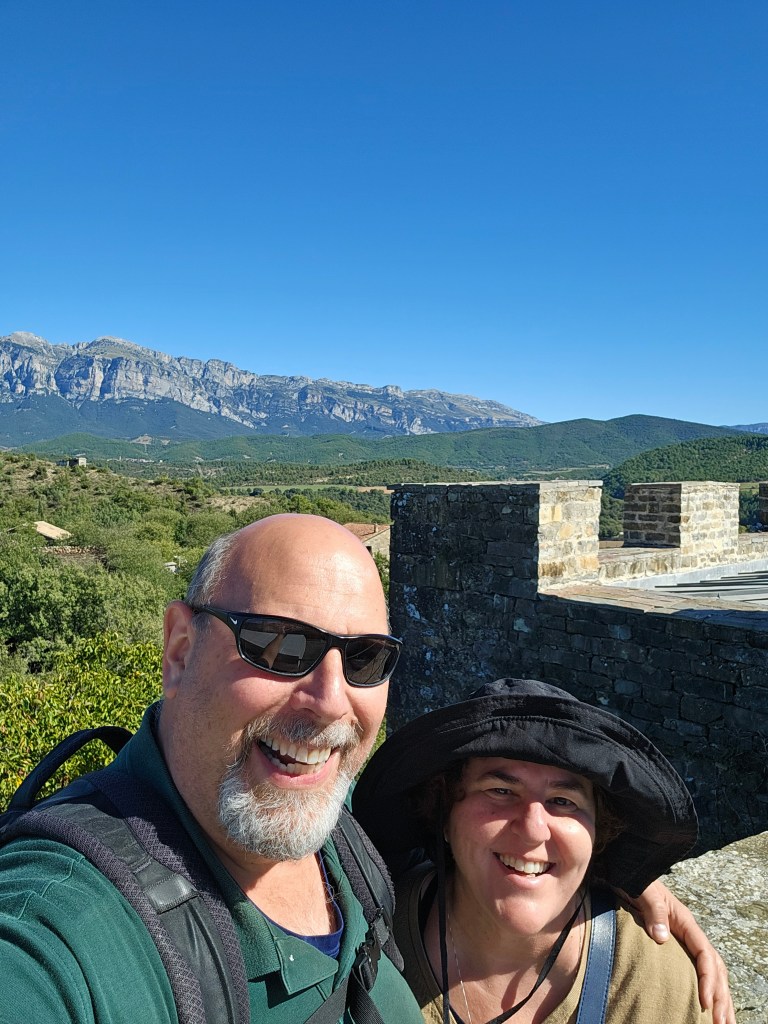
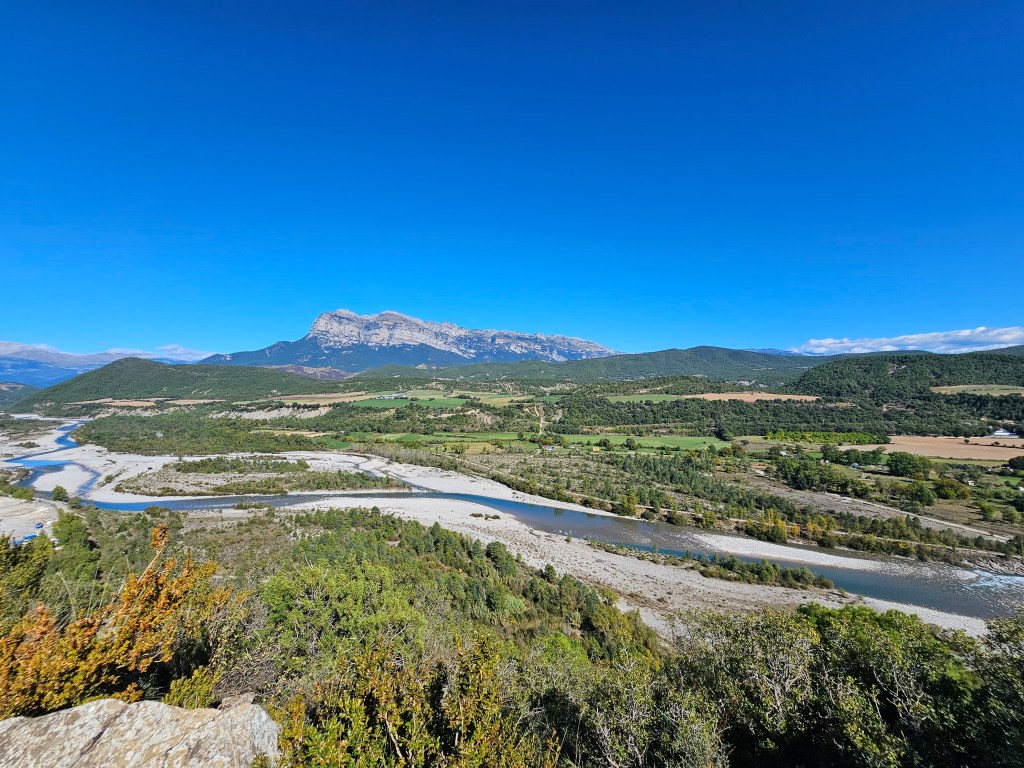
    We took a walk through cowfields to a lookout point (mirador) with a beautiful view of the valley. We’re headed up to those mountains in the background!

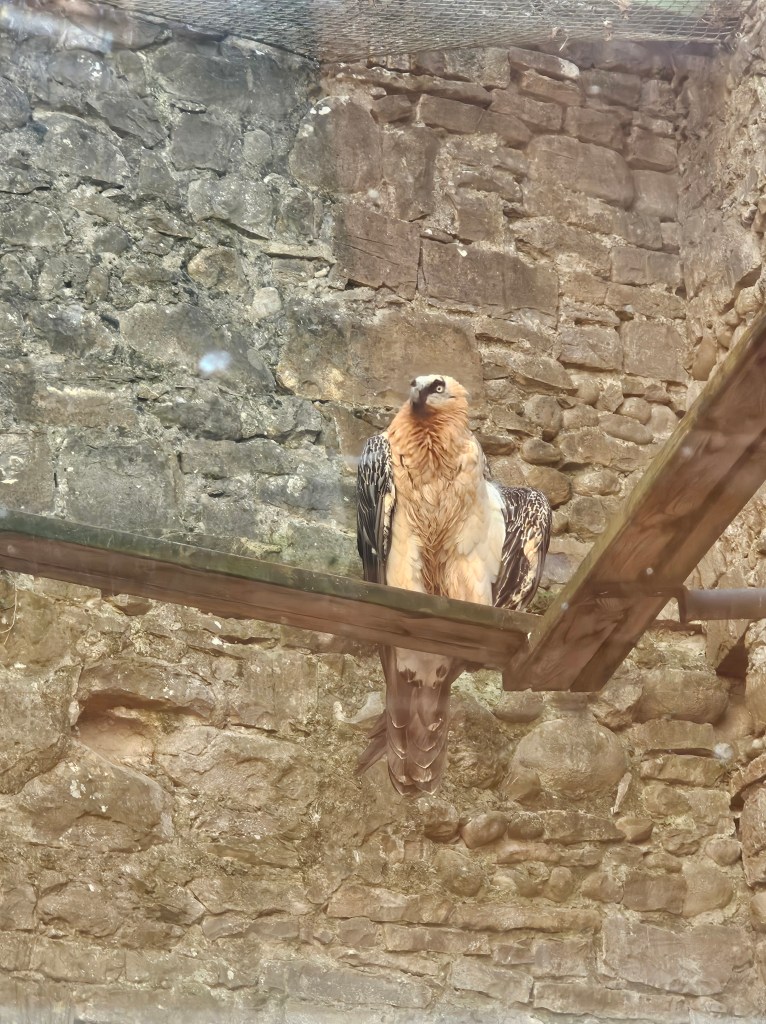
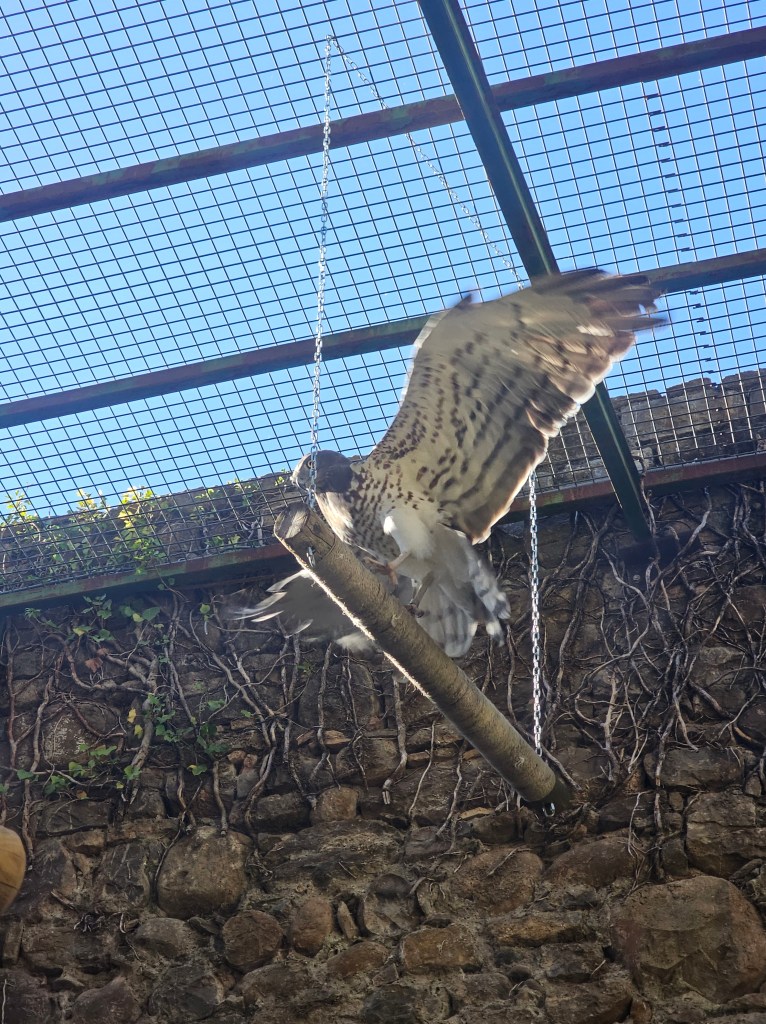
    Finally, we went to a bird museum that had several rescued Pyrenees birds of prey in captivity, which they breed and then release the chicks into the wild. They were especially focused on the bearded vulture they call quebrantahuesos, for its ability to break the bones of its prey.

    It should be noted that the staff there a) totally dissed our beloved city of Huesca as ugly and dull, and we continue to not understand the disrepect, and b) were familiar with Central New York and its turkey vultures, of which we have many in Clinton.

    On to Oto in the Pyrenees!

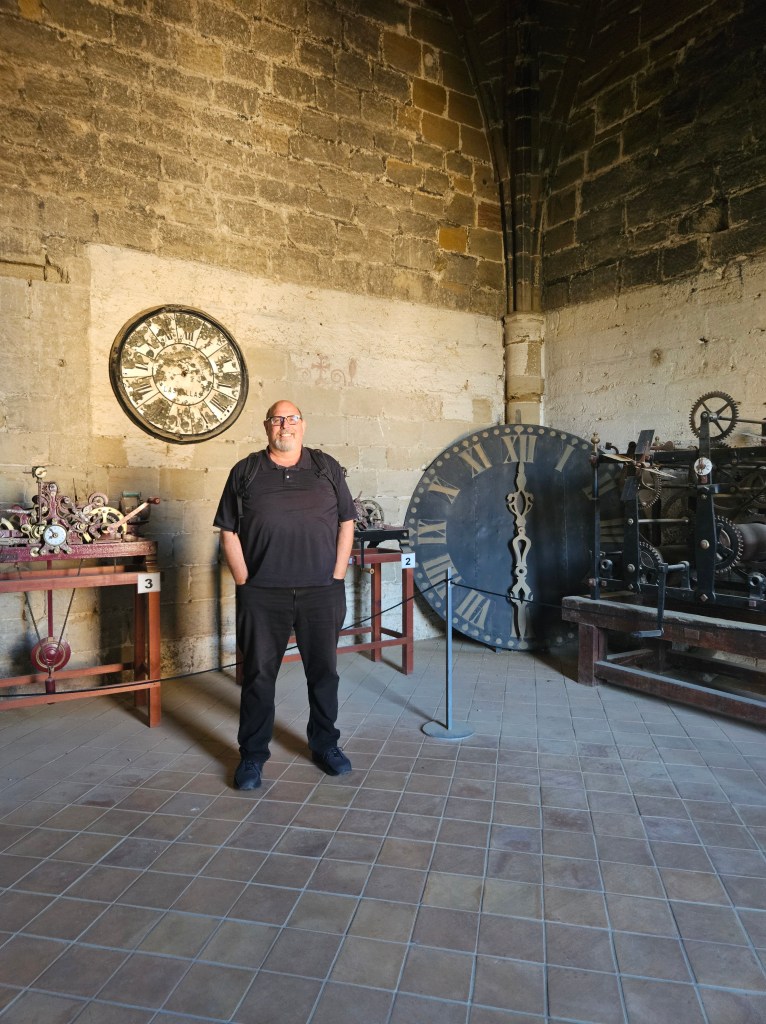
  • On our last full day in Huesca, we finally went into the cathedral located steps from our apartment.

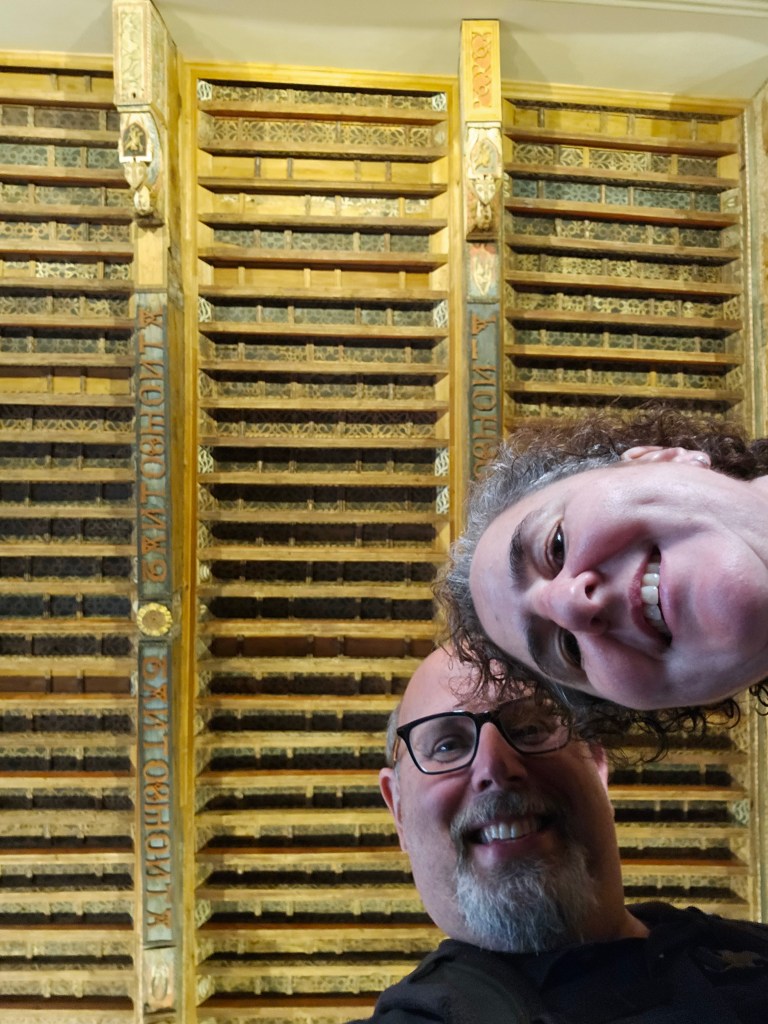
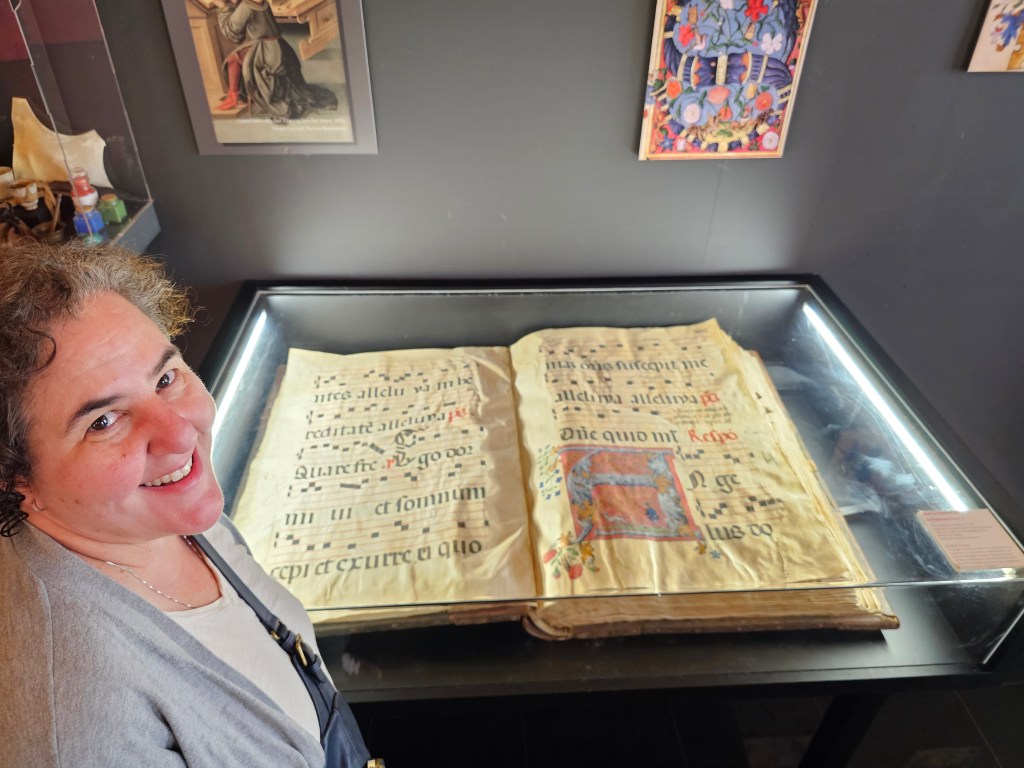
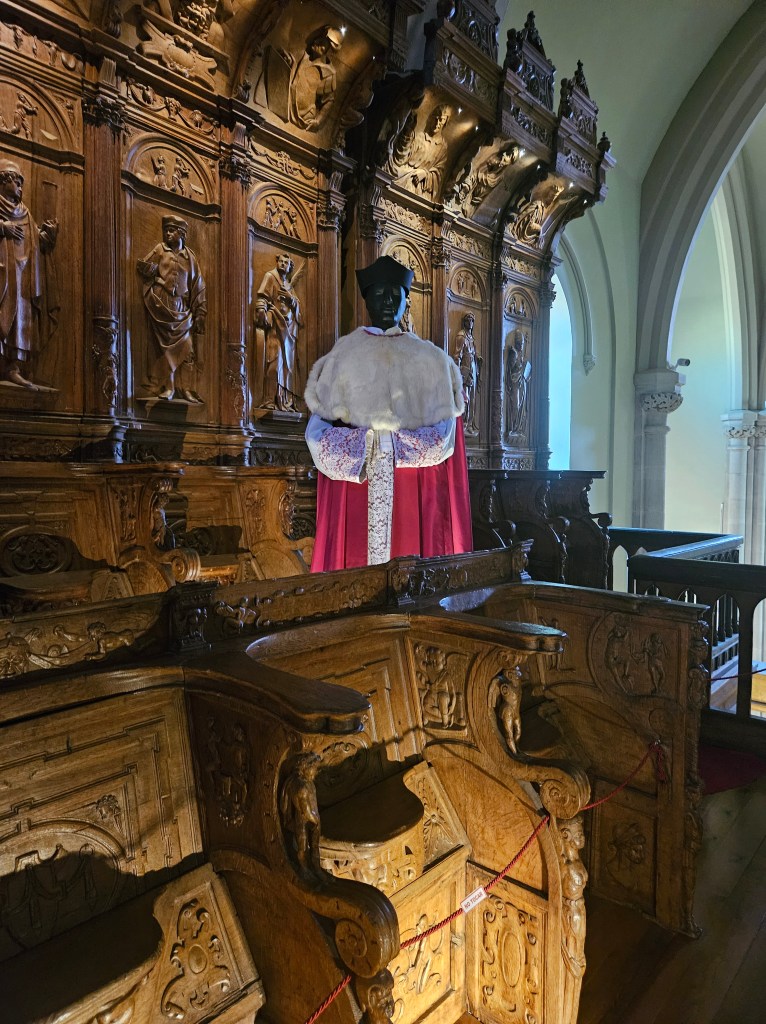
    The cathedral and its museum feature cathedral stuff, including some big books.

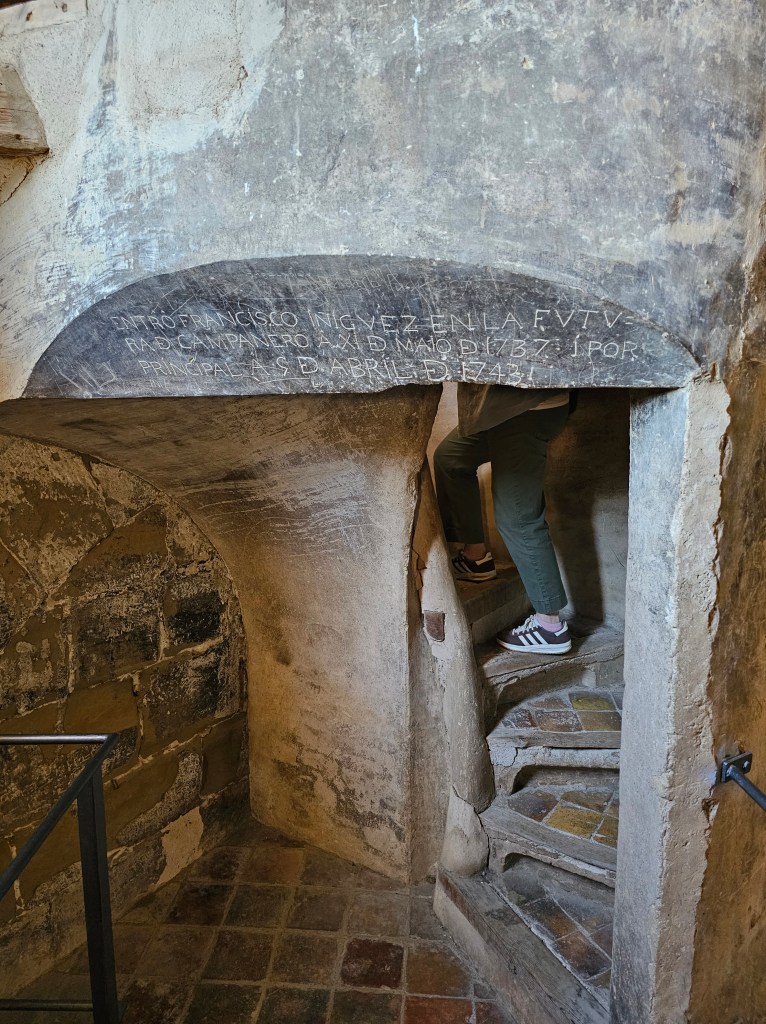
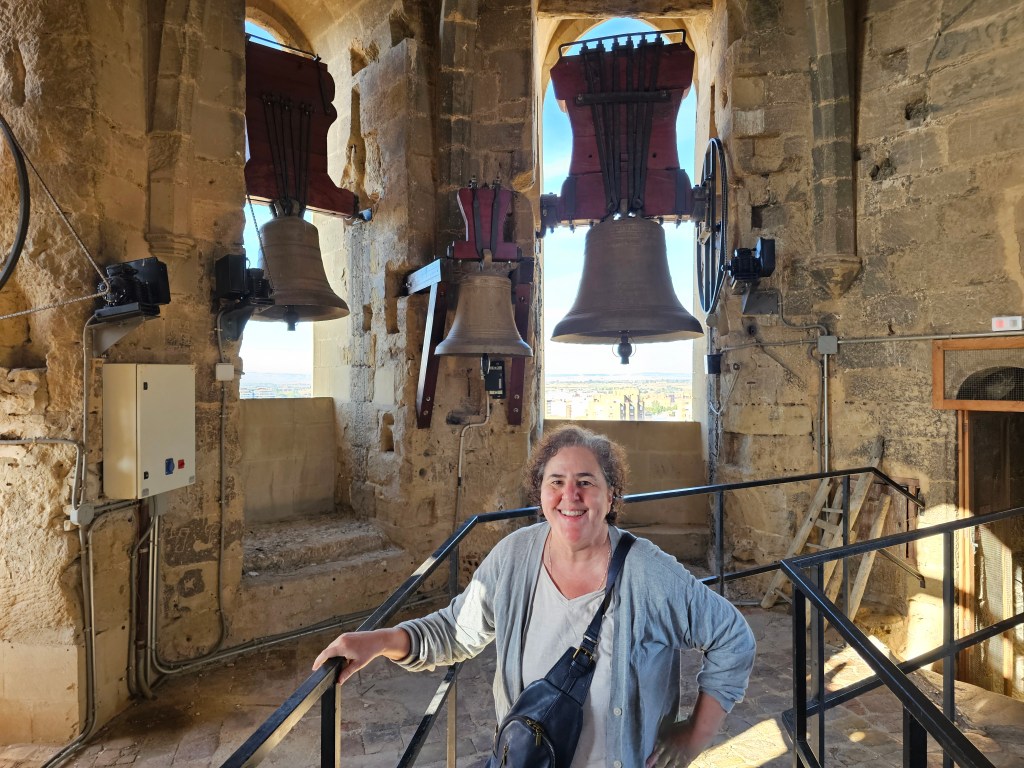
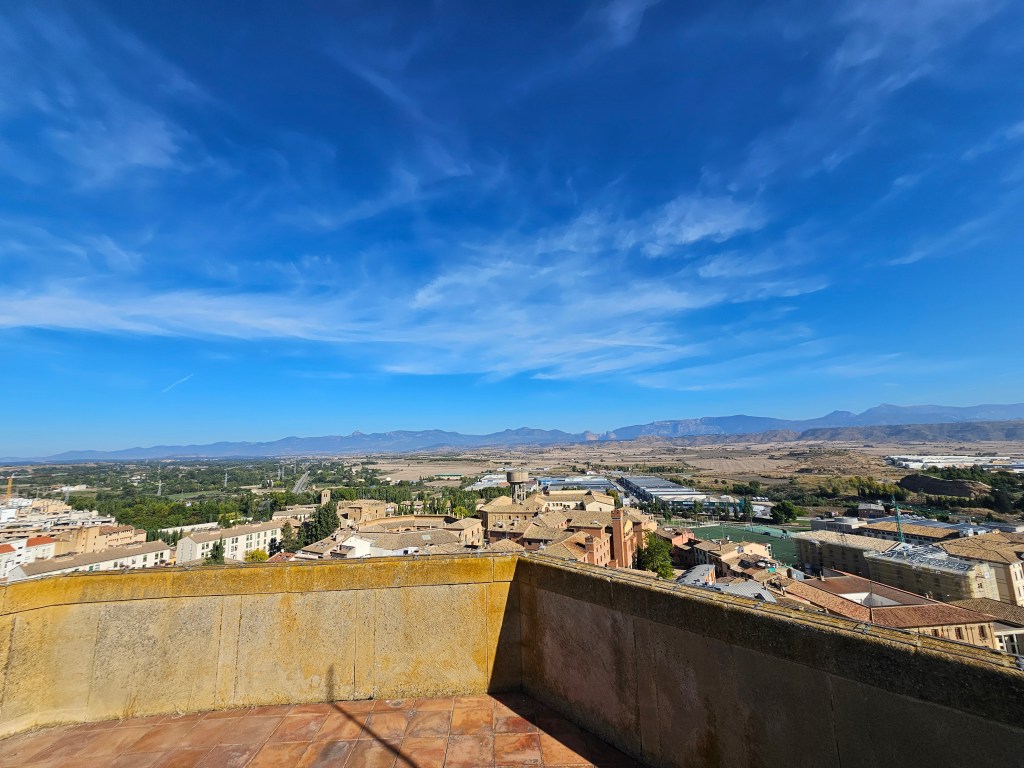
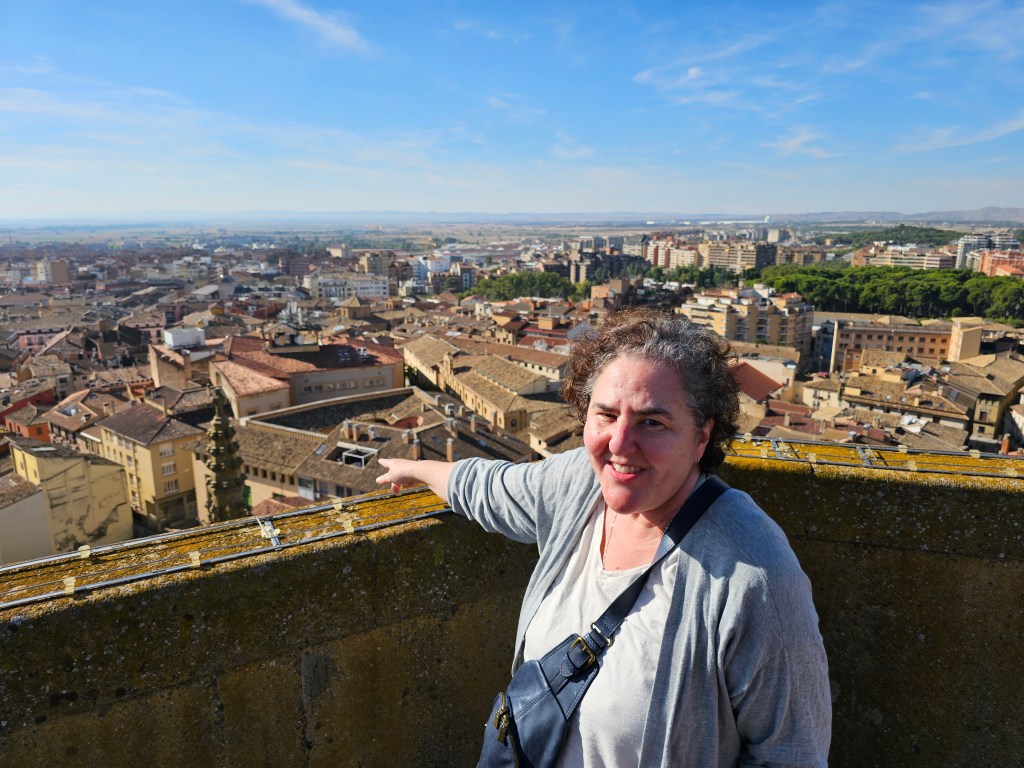
    We ascended the 600 steps to the top of the bell tower. We spotted our beloved apartment balcony (see Emily’s finger).

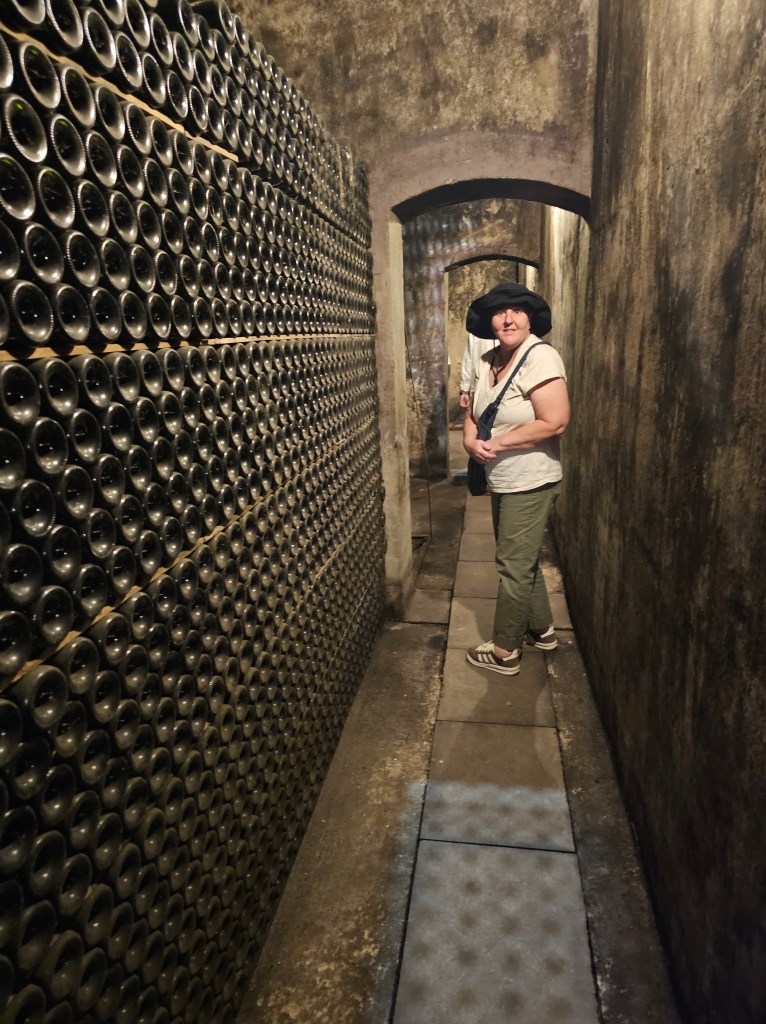
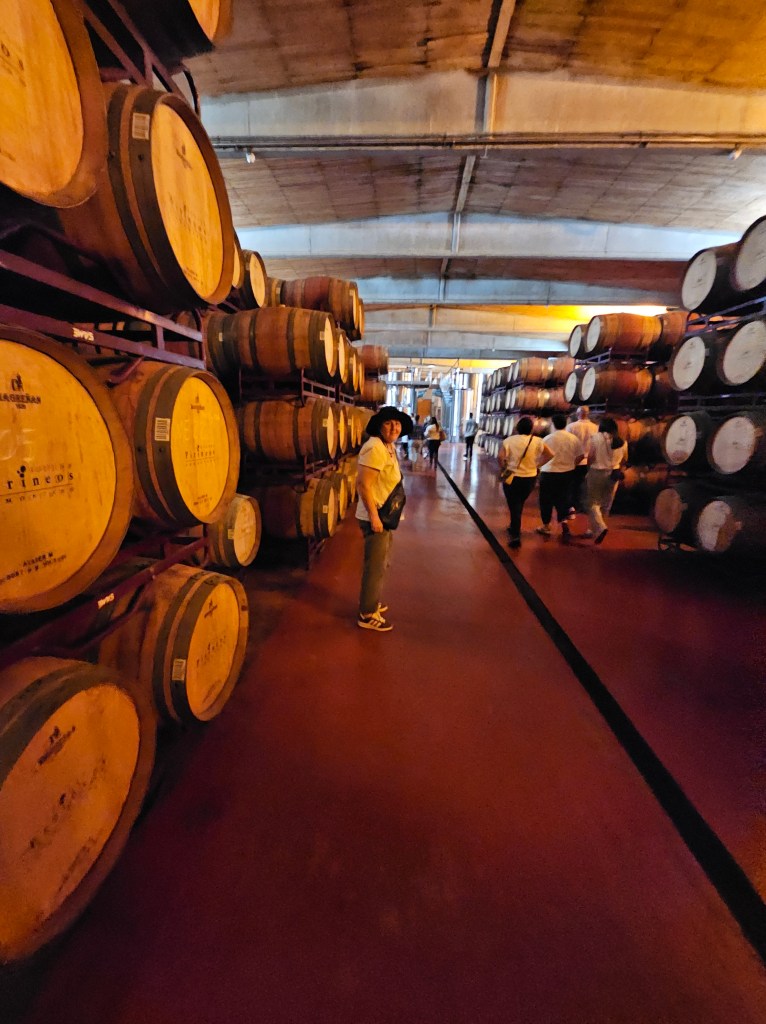
    We headed next toward Barbastro, about 45 minutes east in the local wine region, to a tour of the Bodega Pirineos facilties. We had booked too late for an English tour, but we were able to follow along with the Spanish without any problems. We learned that the wine is made from the finest leather and is aged 120 years in barrels made of cactus. Something like that. They took us into the private reserve cellar, where they have thousands of bottles stored going back to the 70s. They don’t sell them to the public, as they have no idea if they are delicious or vinegar before opening them,

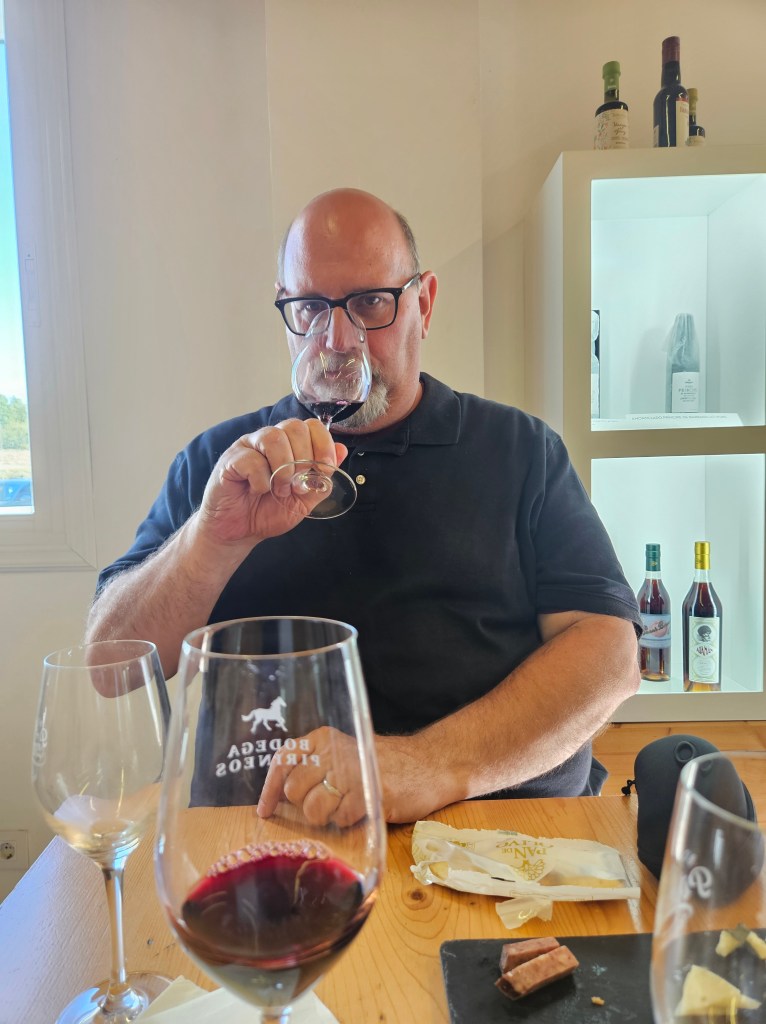
    The Somontano area of Huesca produces a very small portion of Spain’s wine output, but is among the highest quality. This is according to the tour guide, but we had no complaints. After the tour, we tasted four wines, especially enjoying the Gewürztraminer.

    After that, we ran a few errands (we passed on the toilet paper) and enjoyed our last evening in Huesca.

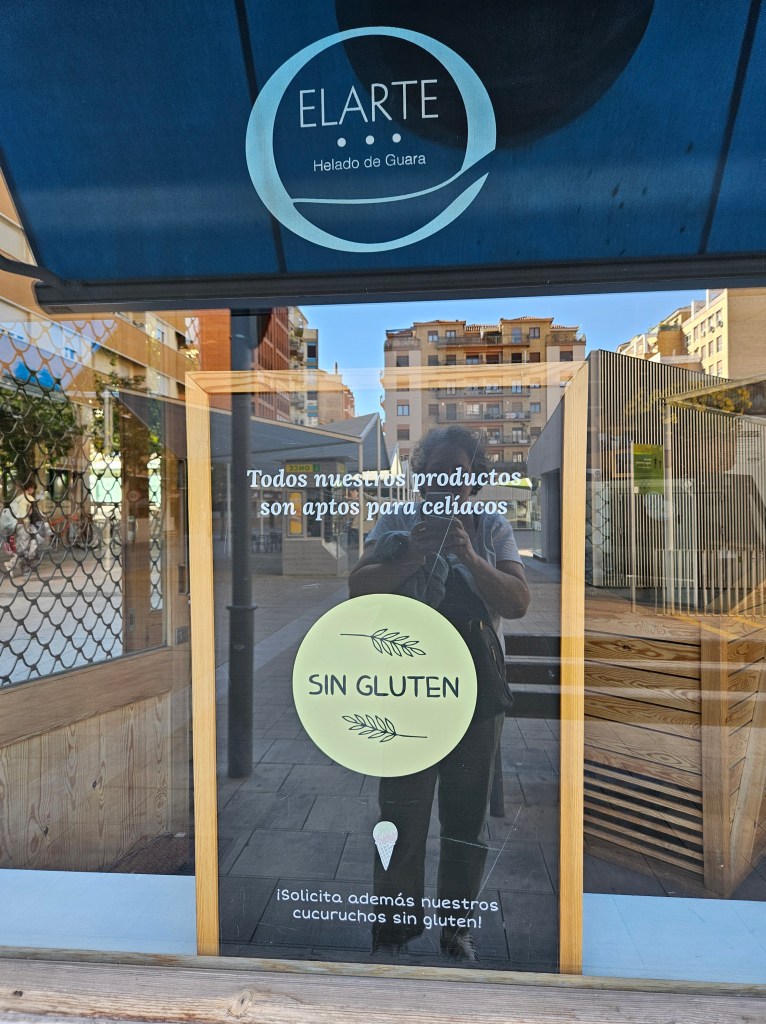
  • In Huesca, there was a gluten free bakery on the plaza where we parked our car.

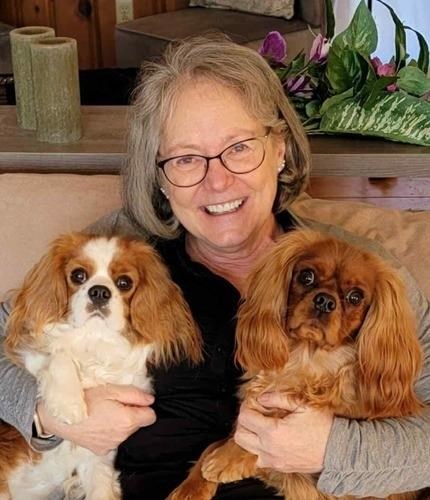
    We shared a tear for our friend, Debra, who is never far from our thoughts.

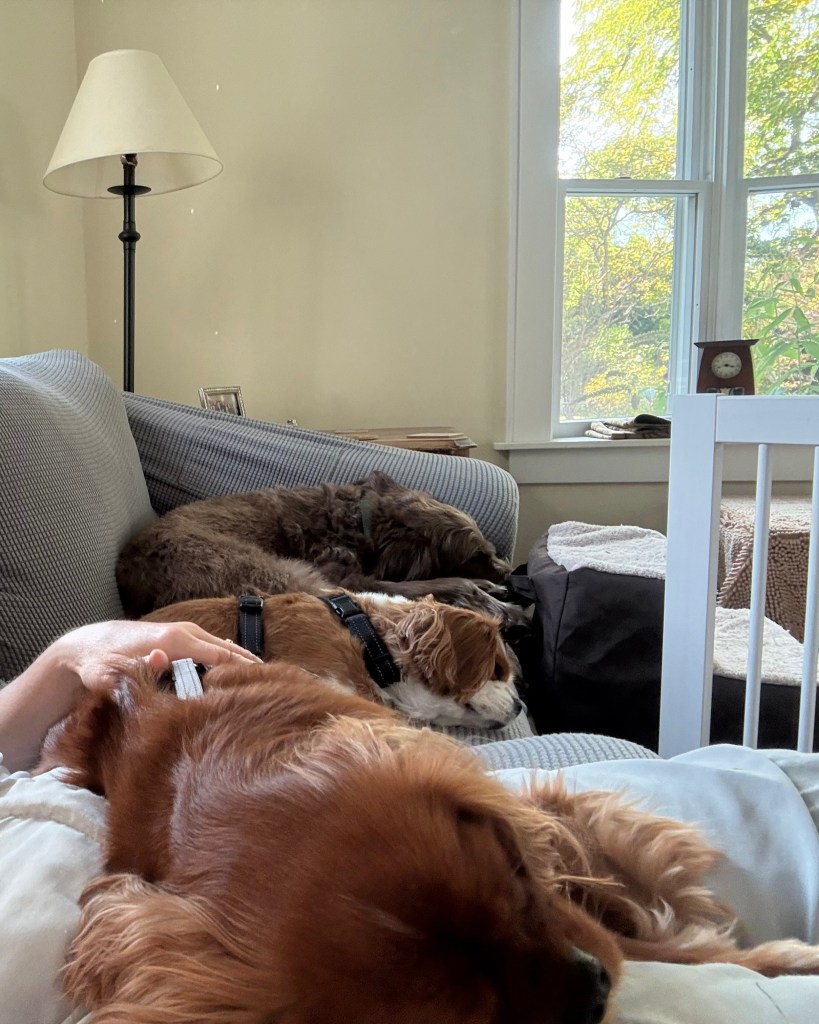
    Luna has been helping the cuties transition to their new home.

  • We had a cozy and quiet Yom Kippur, Zooming into the morning services at Emanu-El, which ended around 8pm here, and then breaking the fast in what might be described as a Sephardic way.

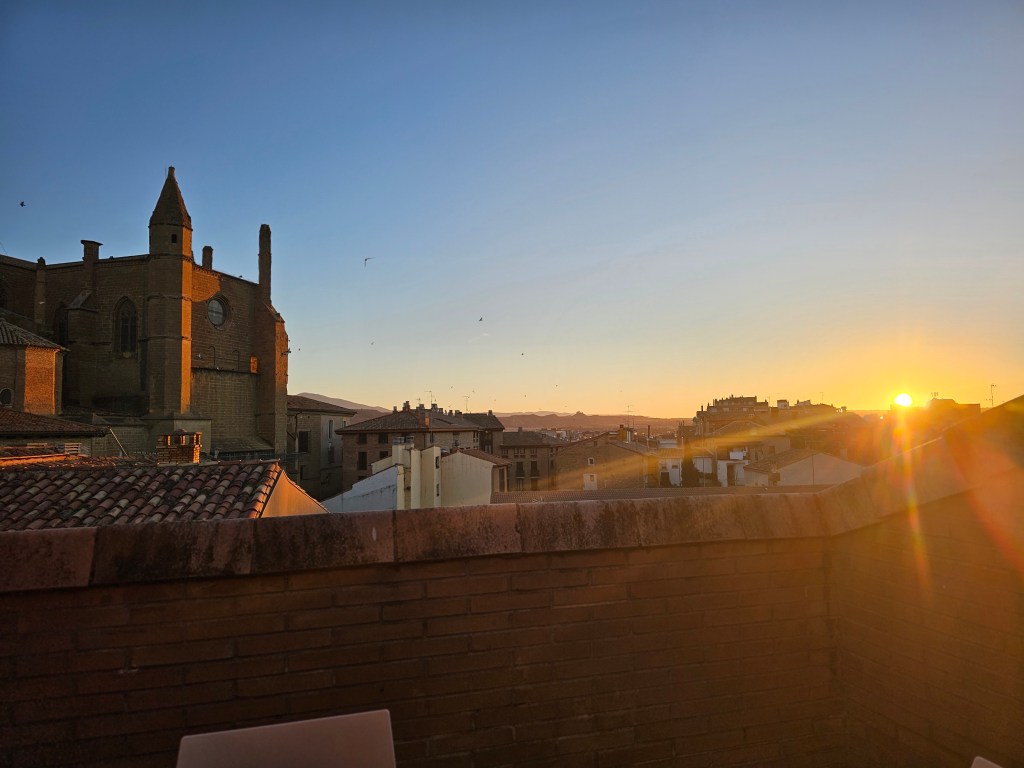
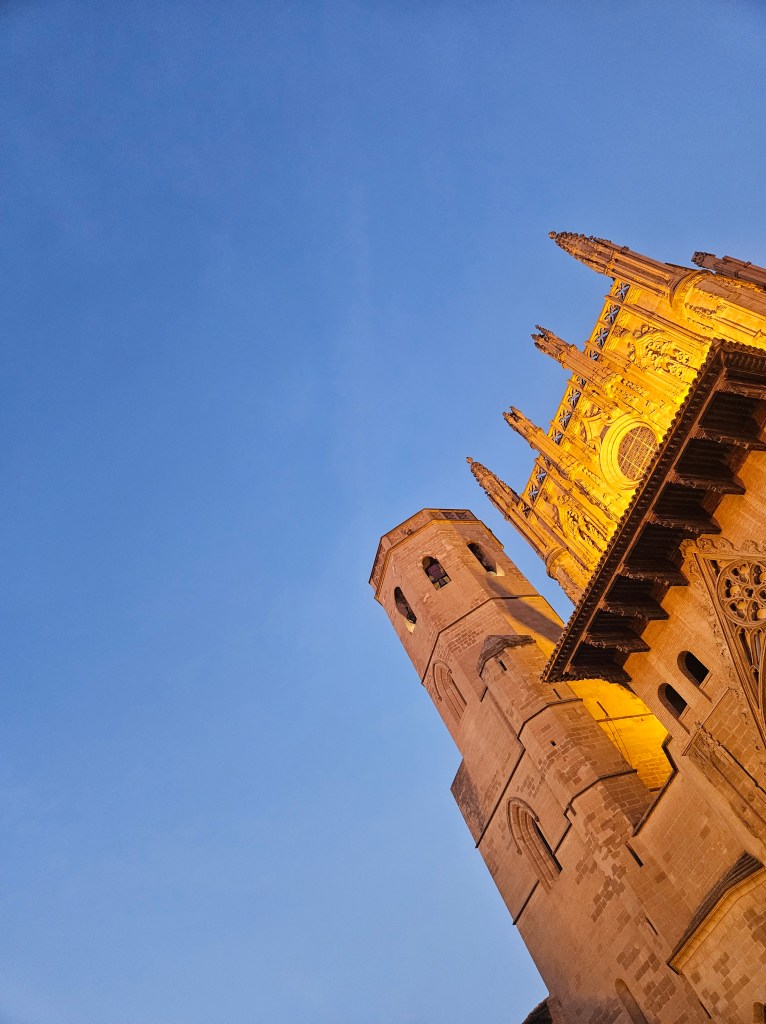
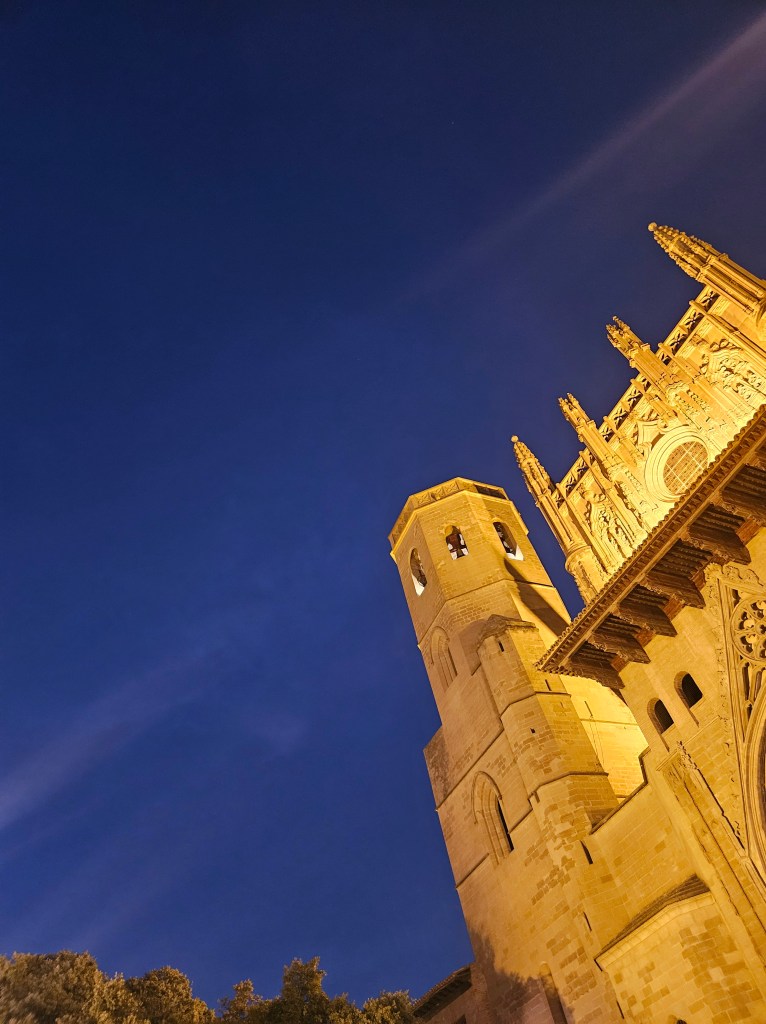
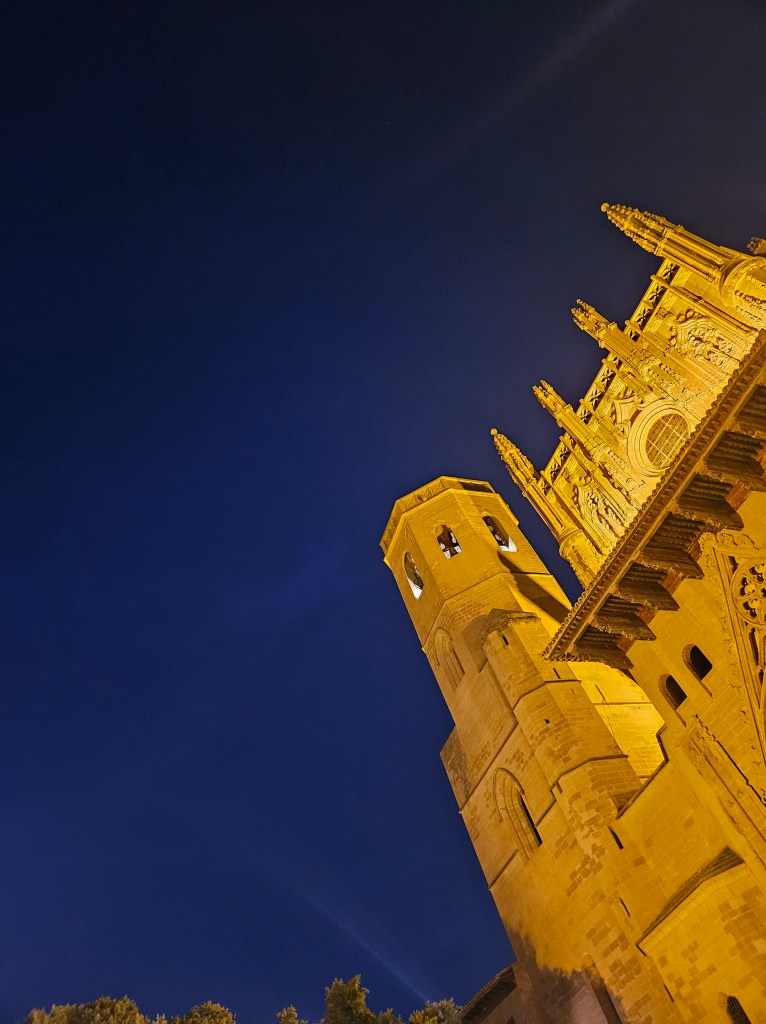
    Emily documented sunset over the cathedral from our beloved rooftop patio in Huesca.

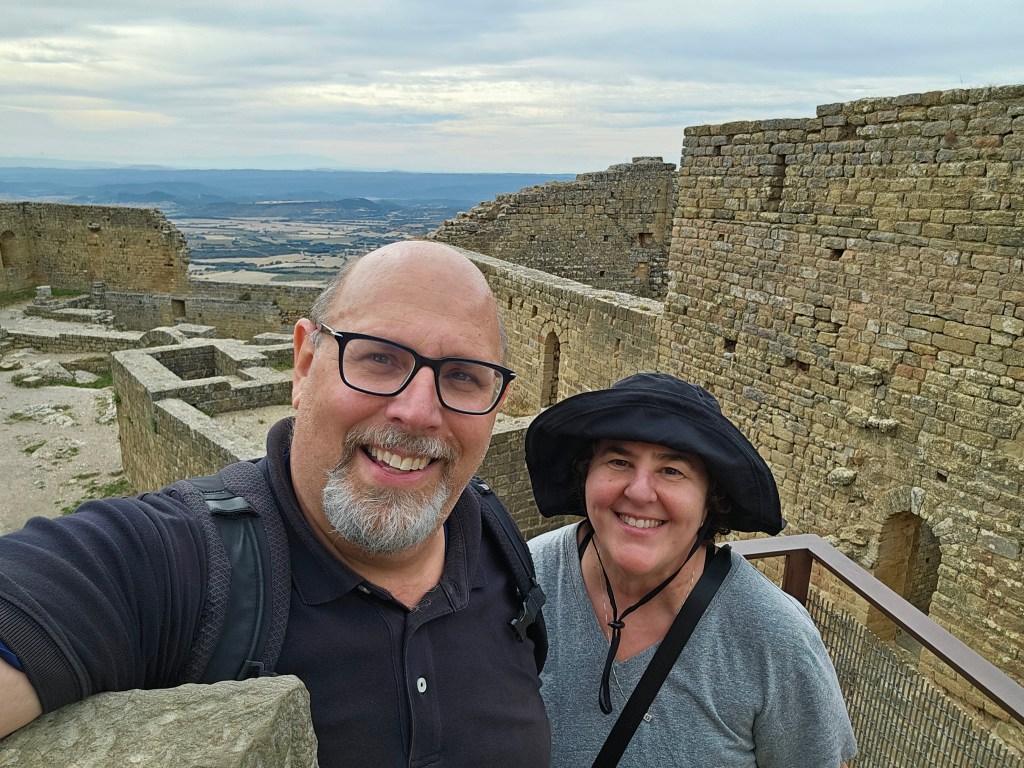
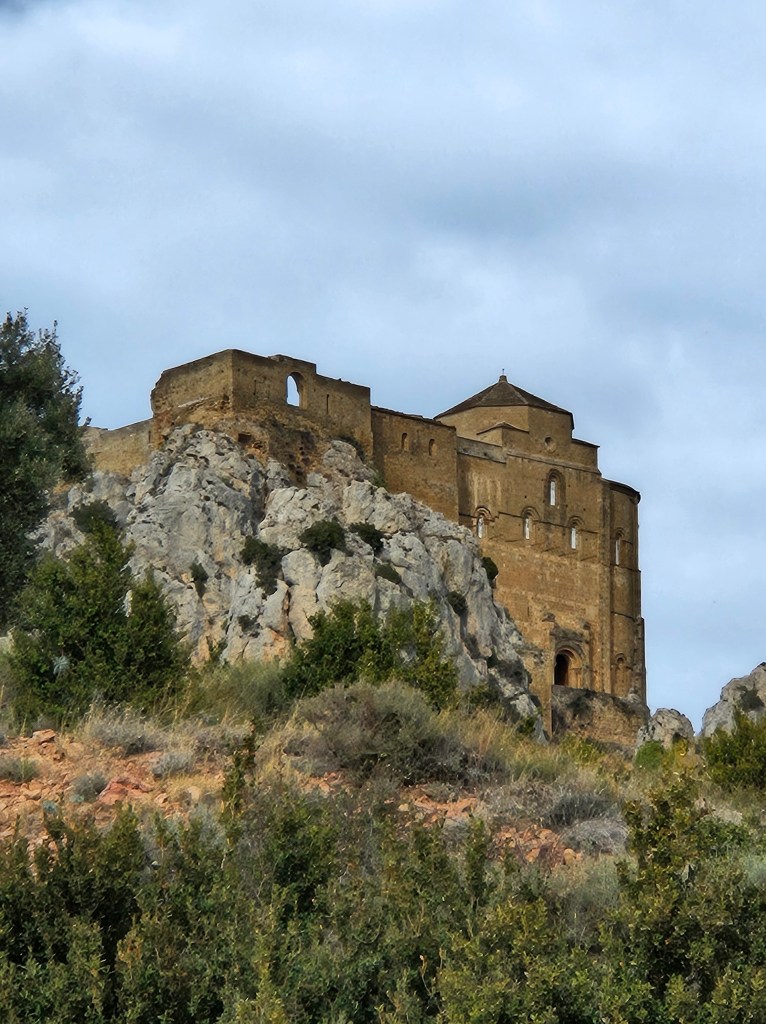
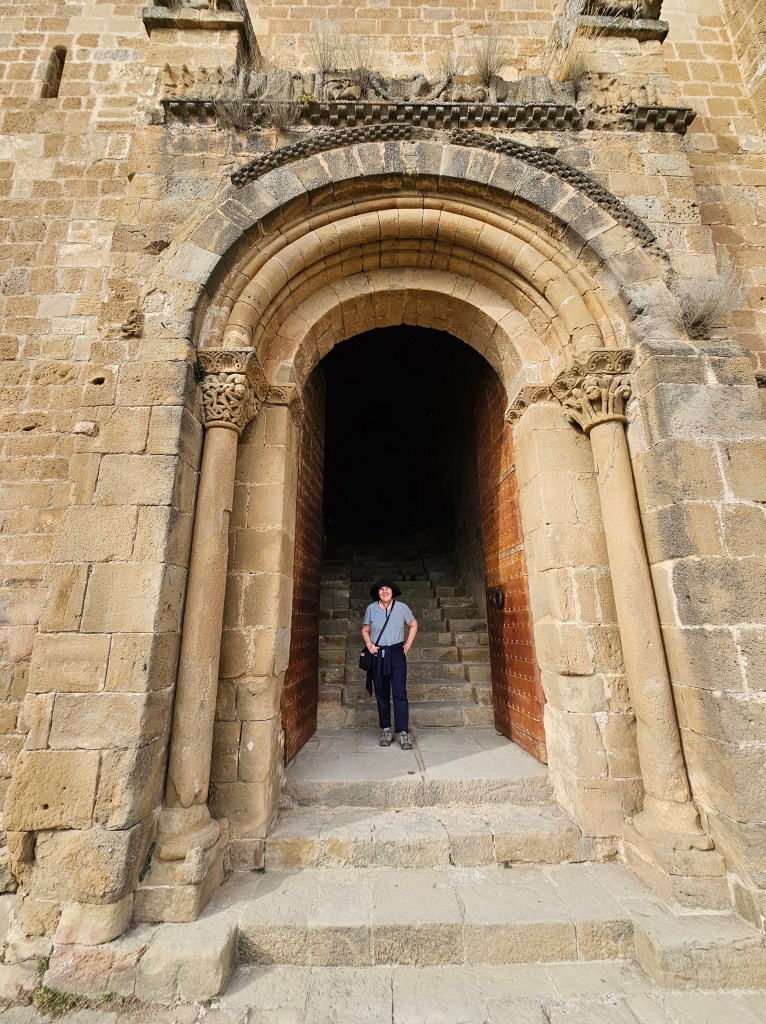
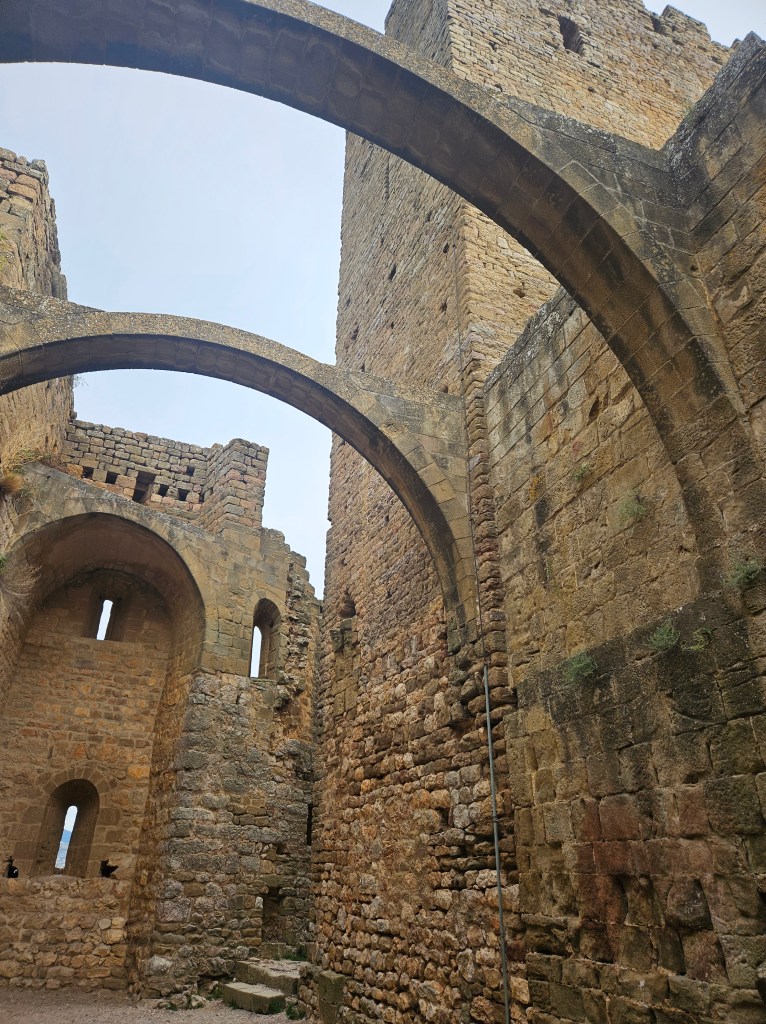
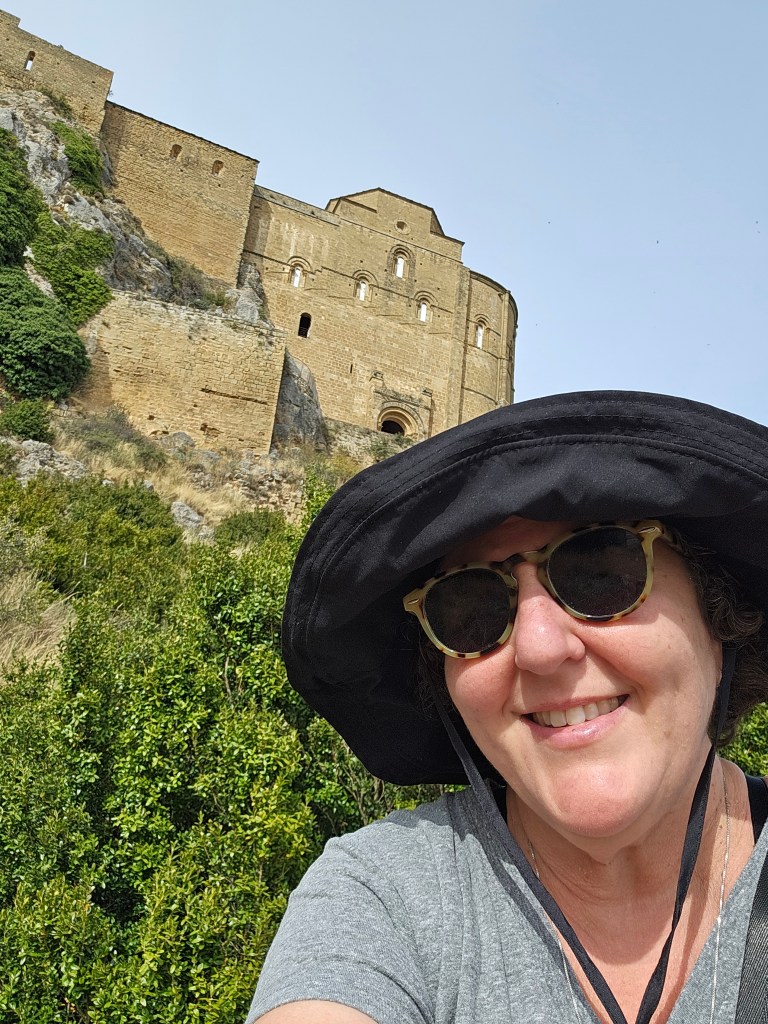
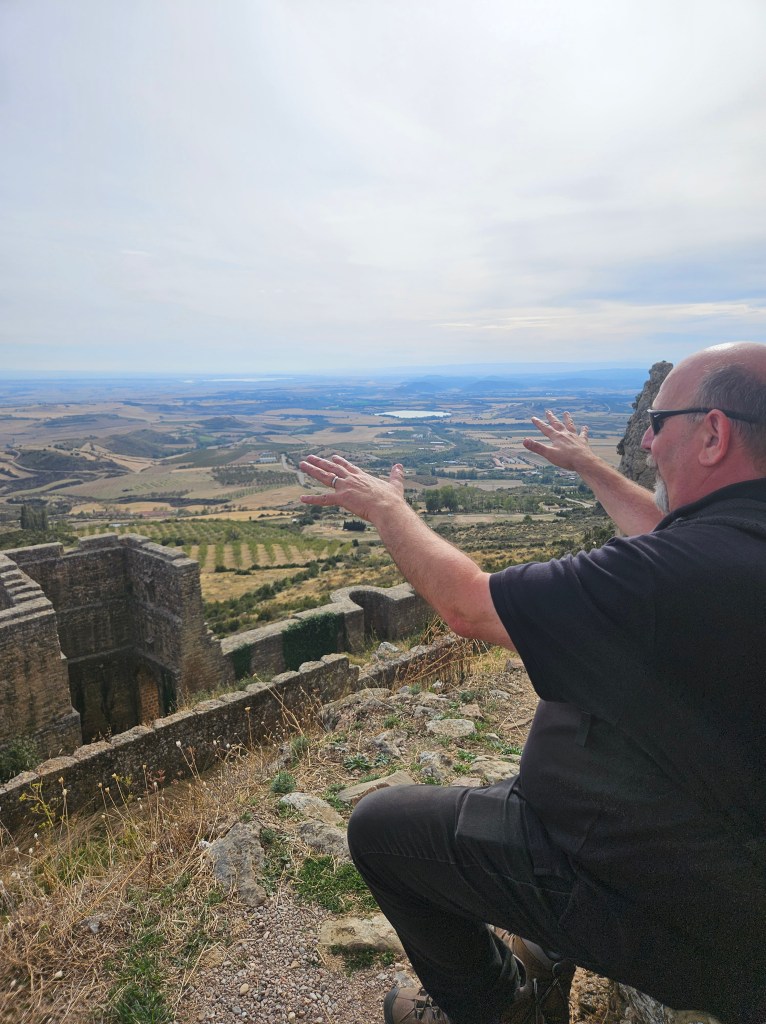
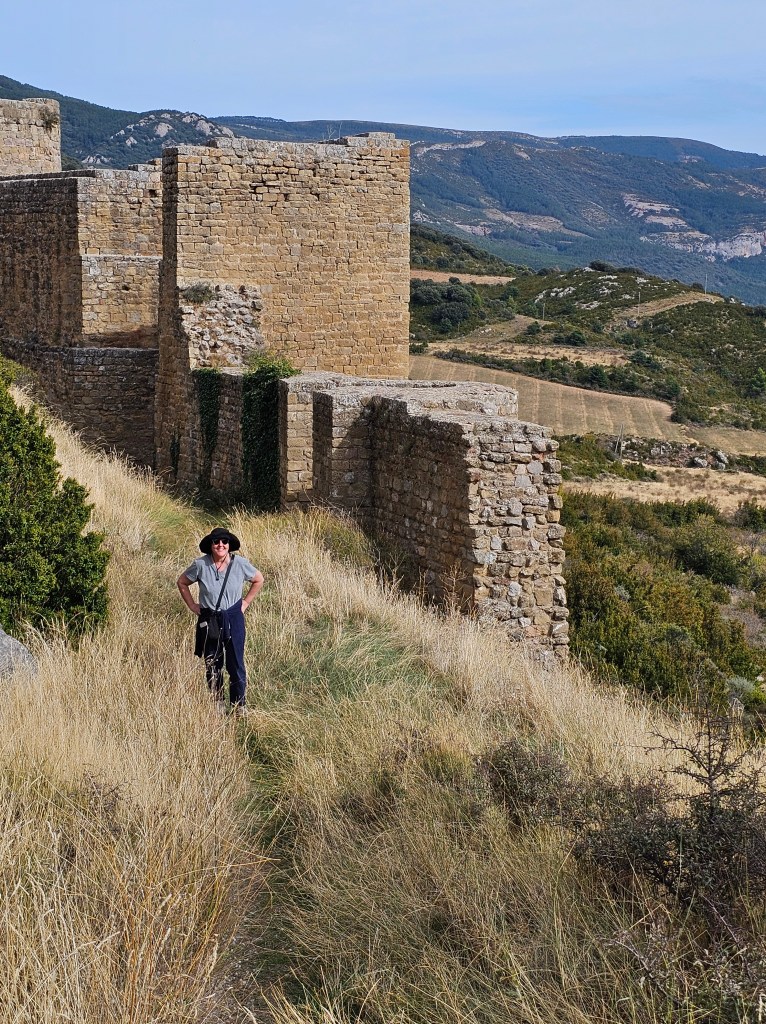
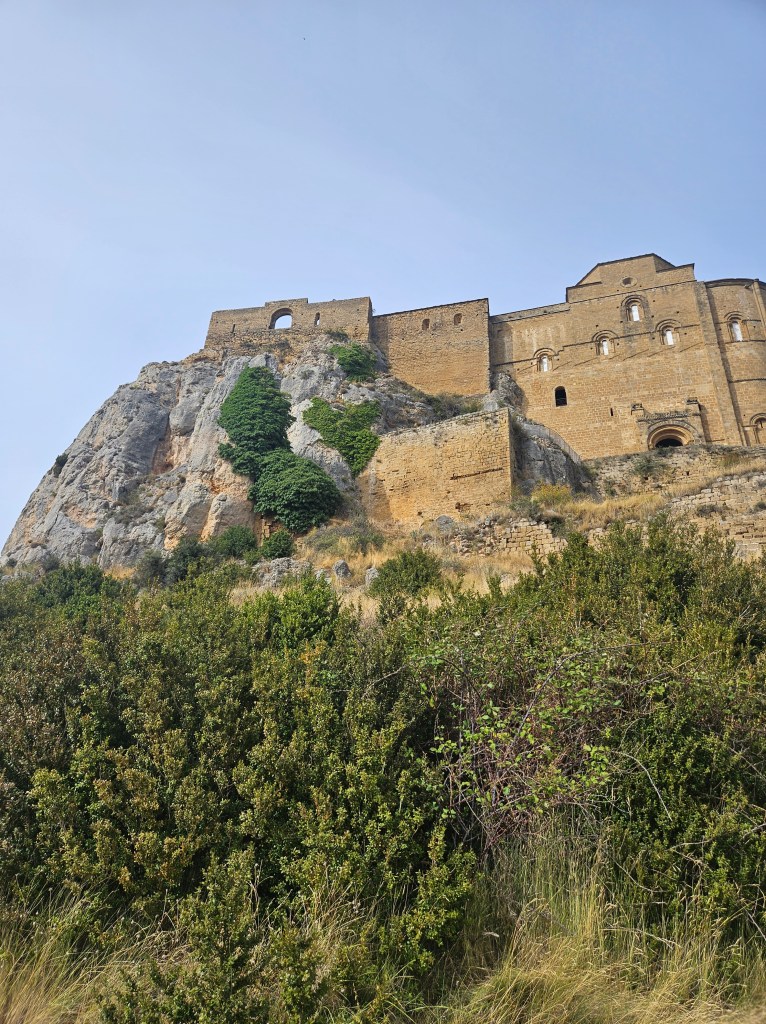
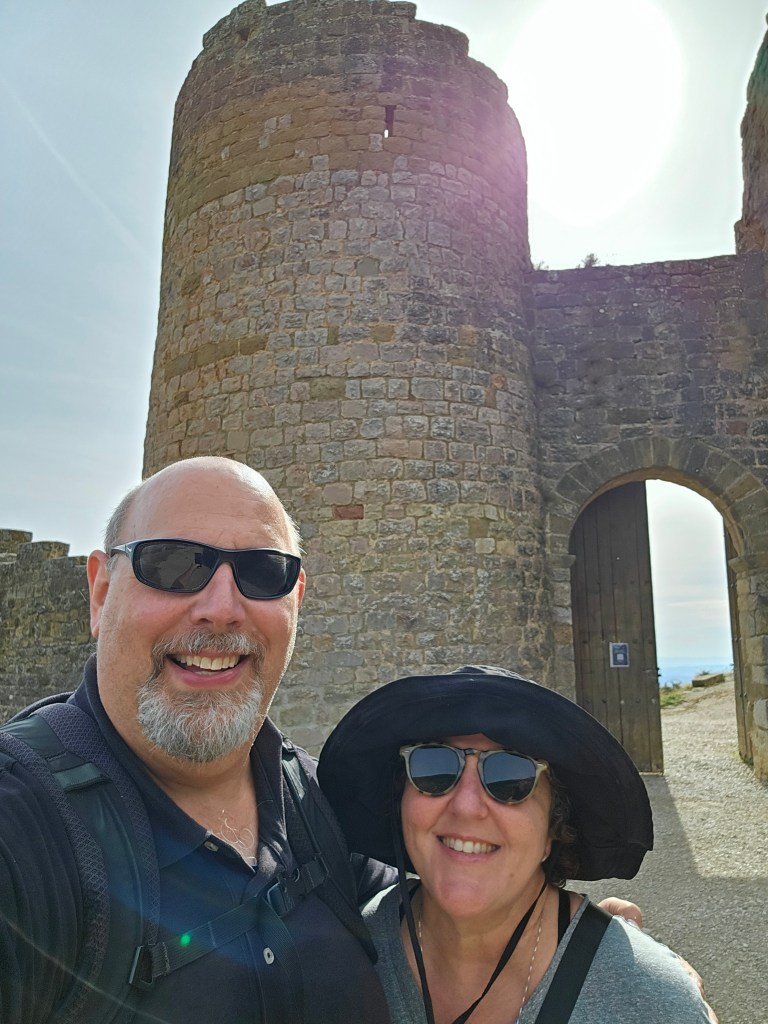
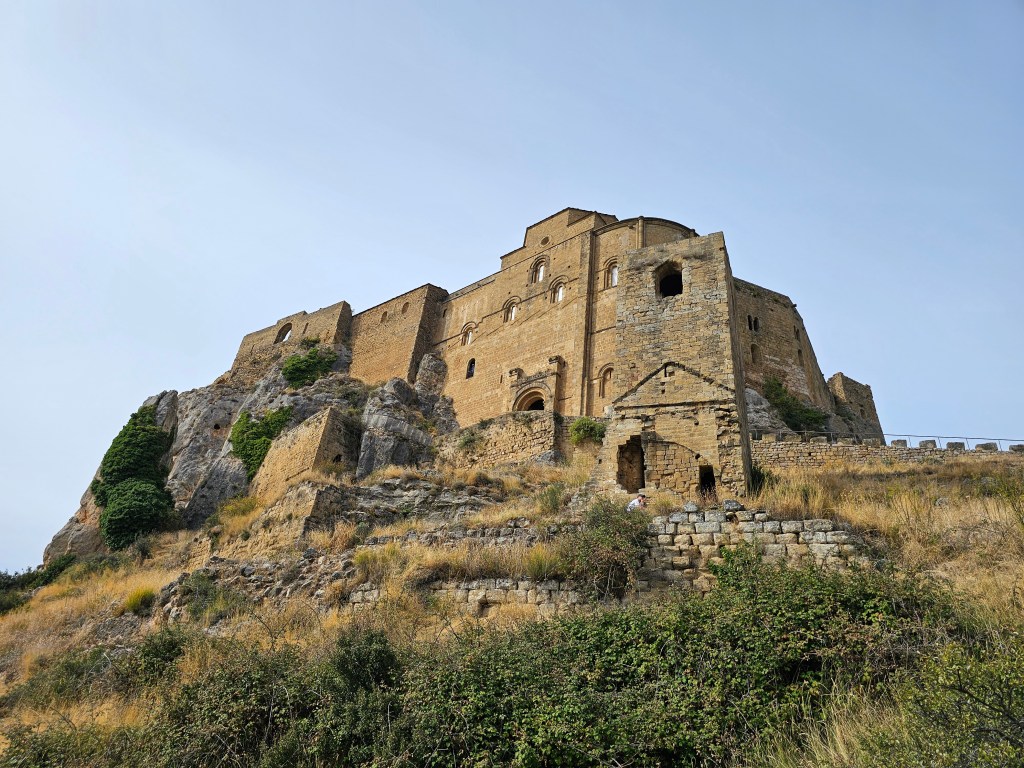
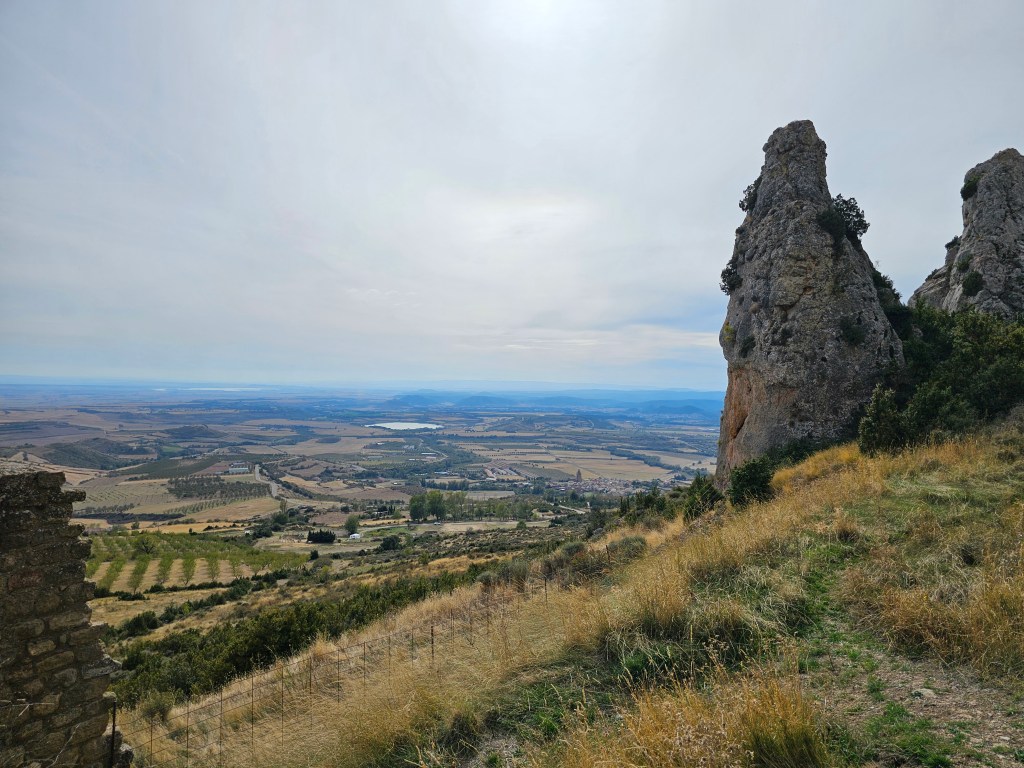
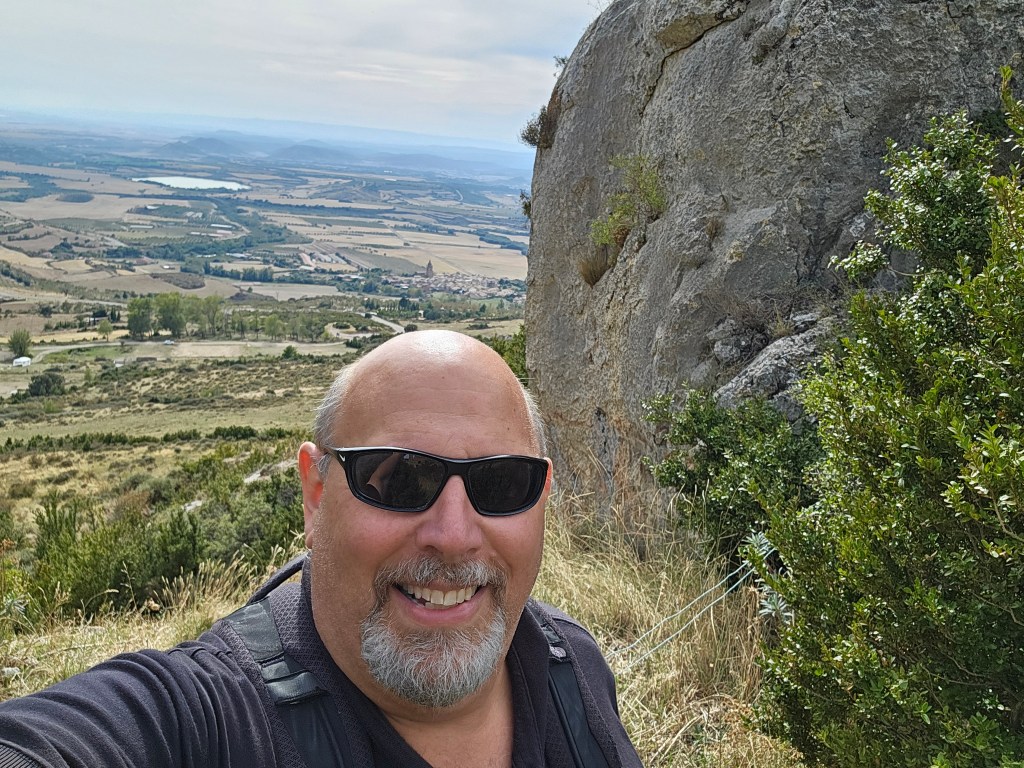
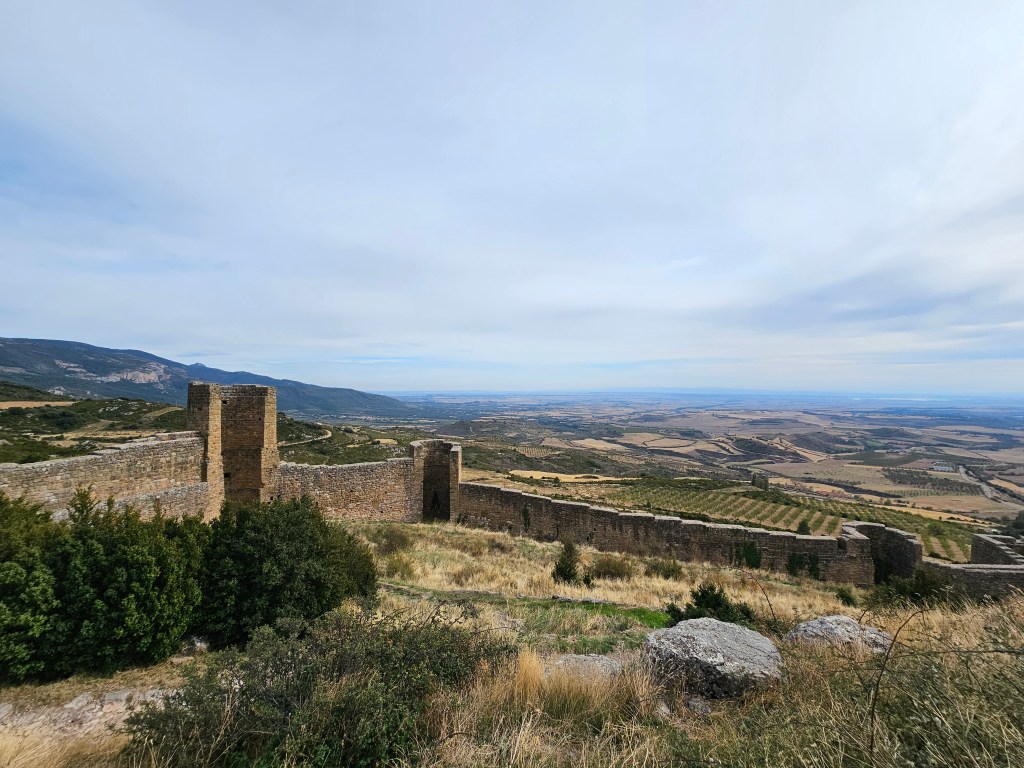
    We spent a Friday afternoon exploring the castle at Loarre, about half an hour northwest of Huesca. The castle might be familiar to Ridley Scott fans (not us) from Kingdom of Heaven. It was built into the rock above the Aragonese valley starting in the 11th century. Spectacular views from an edifice over a millemnium old.

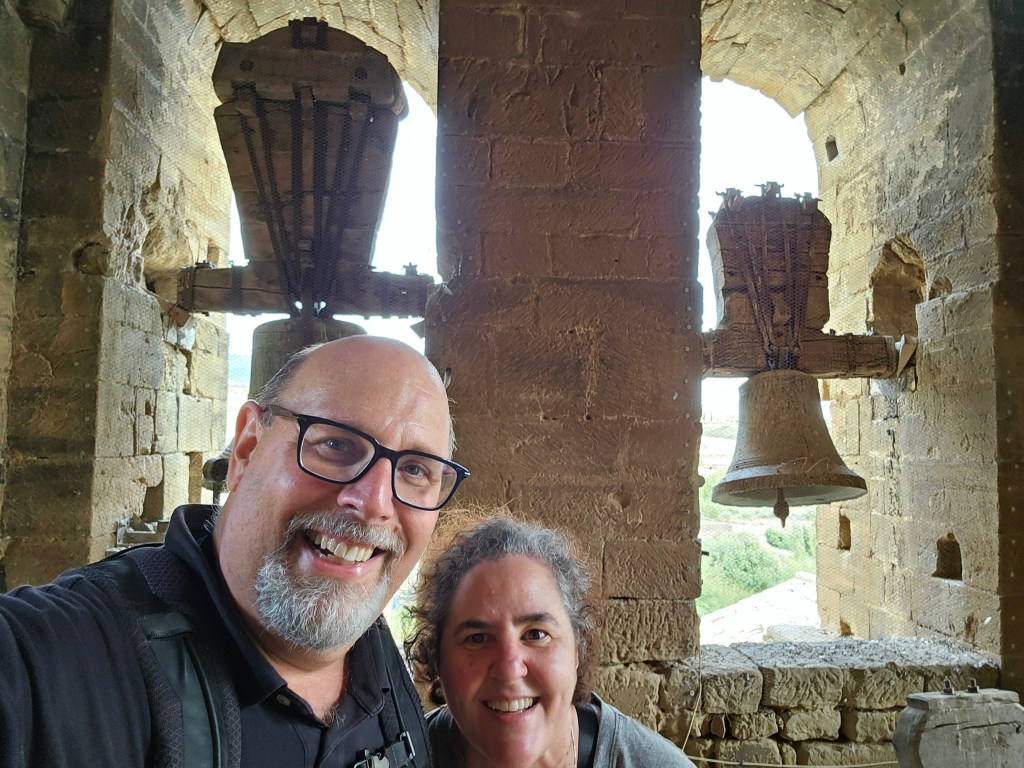
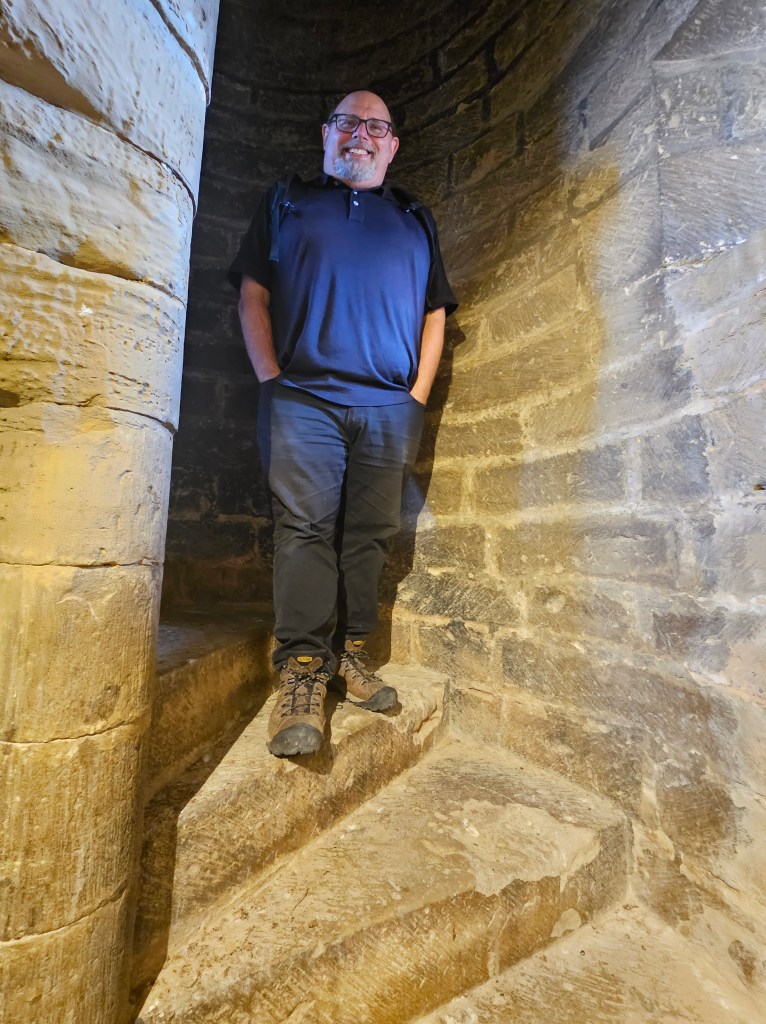
    The main church for Loarre was moved from the castle down to the town below in the early 16th century. We wandered the quiet town, visiting the church and climbing its pigeon-filled tower.

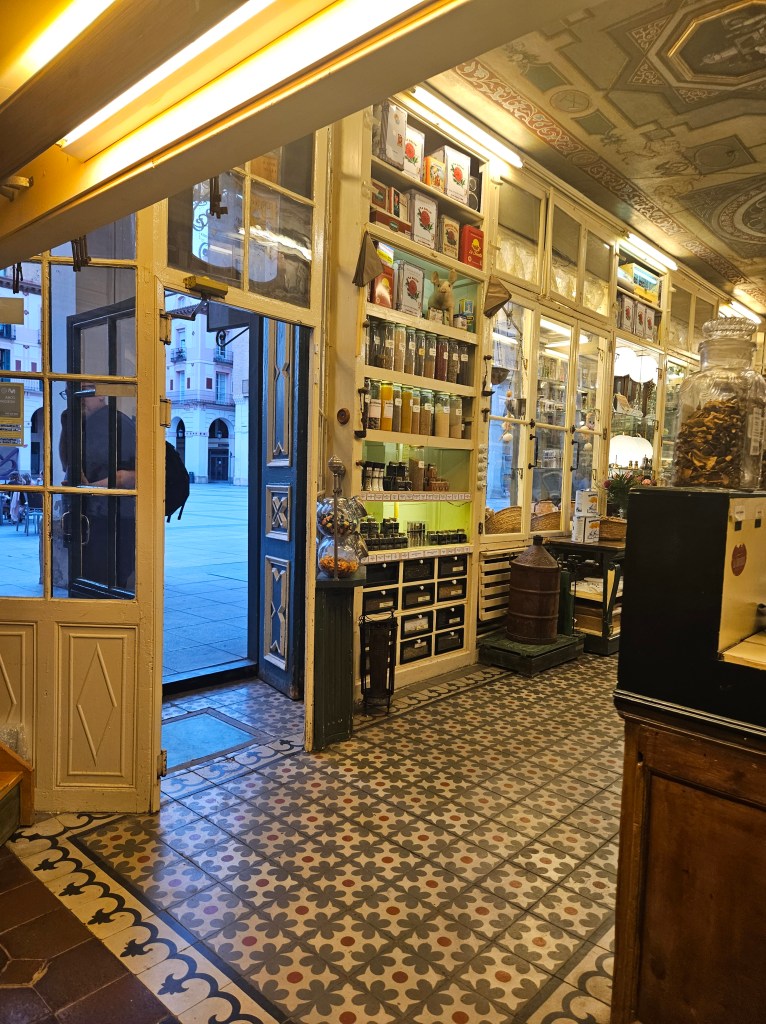
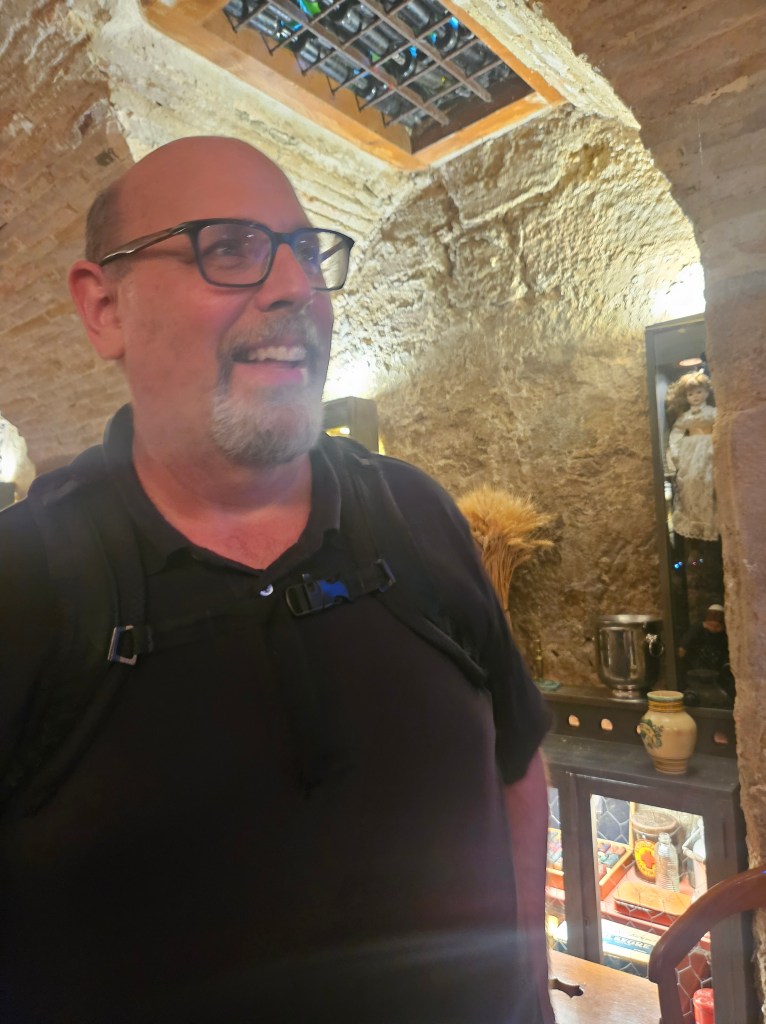
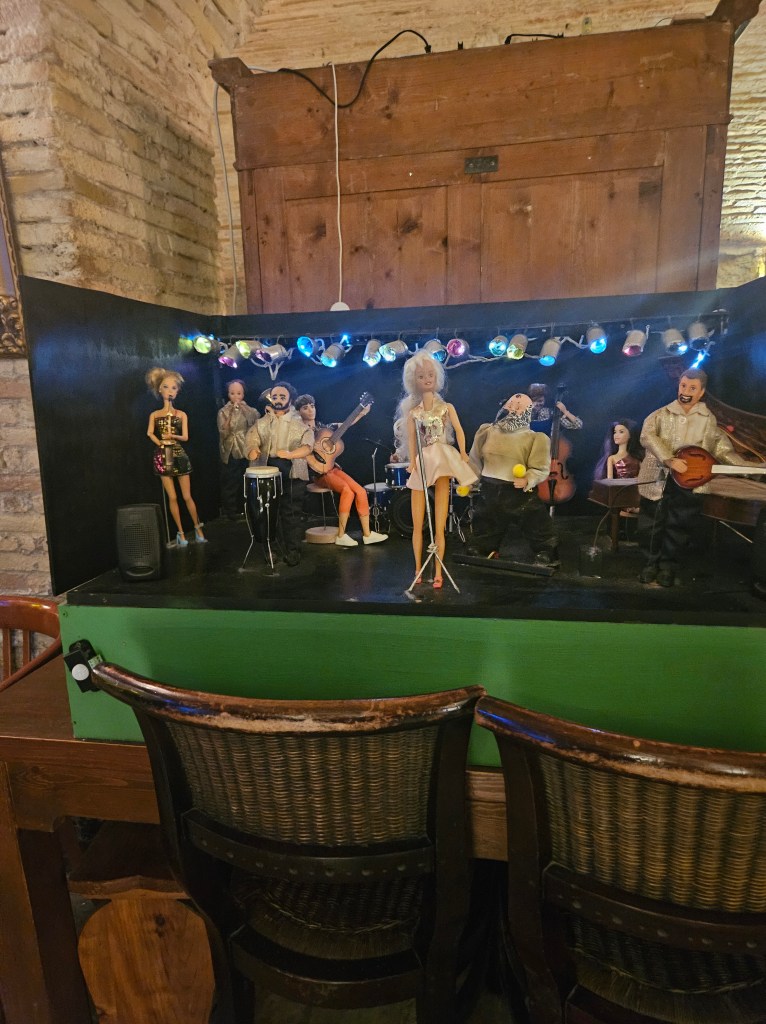
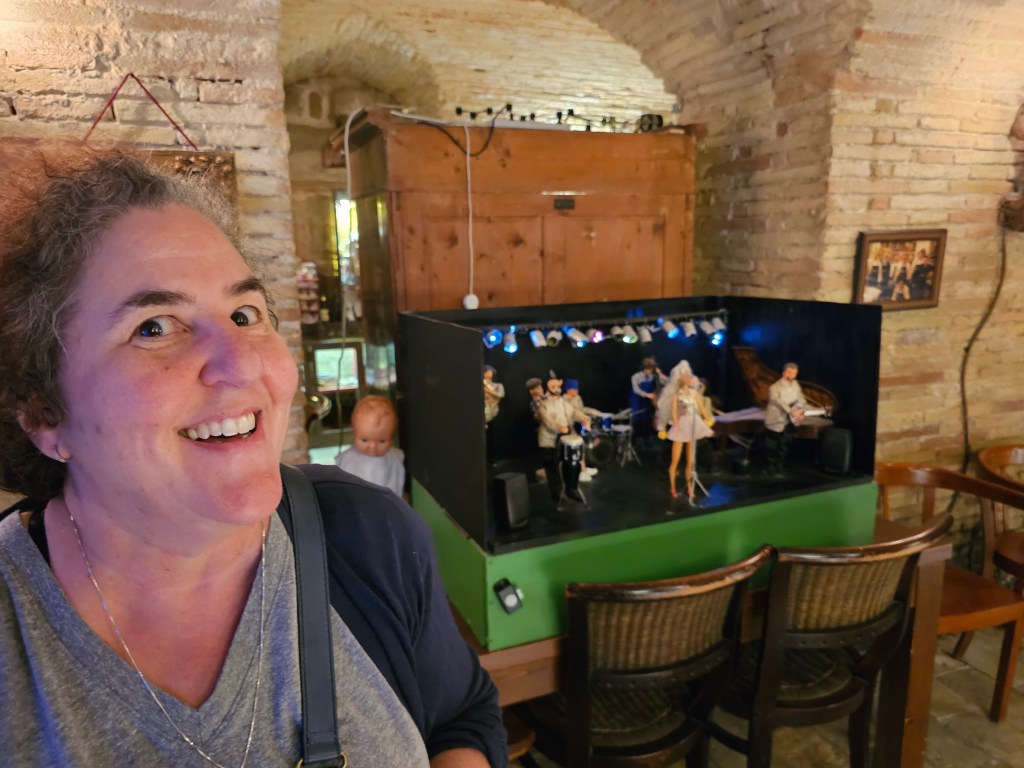
    Returning home to Huesca, we stopped by Spain’s oldest grocery store, which we were told is a must visit. The store is charmingly preserved, but no one warns you about the crazy town doll museum in the basement.

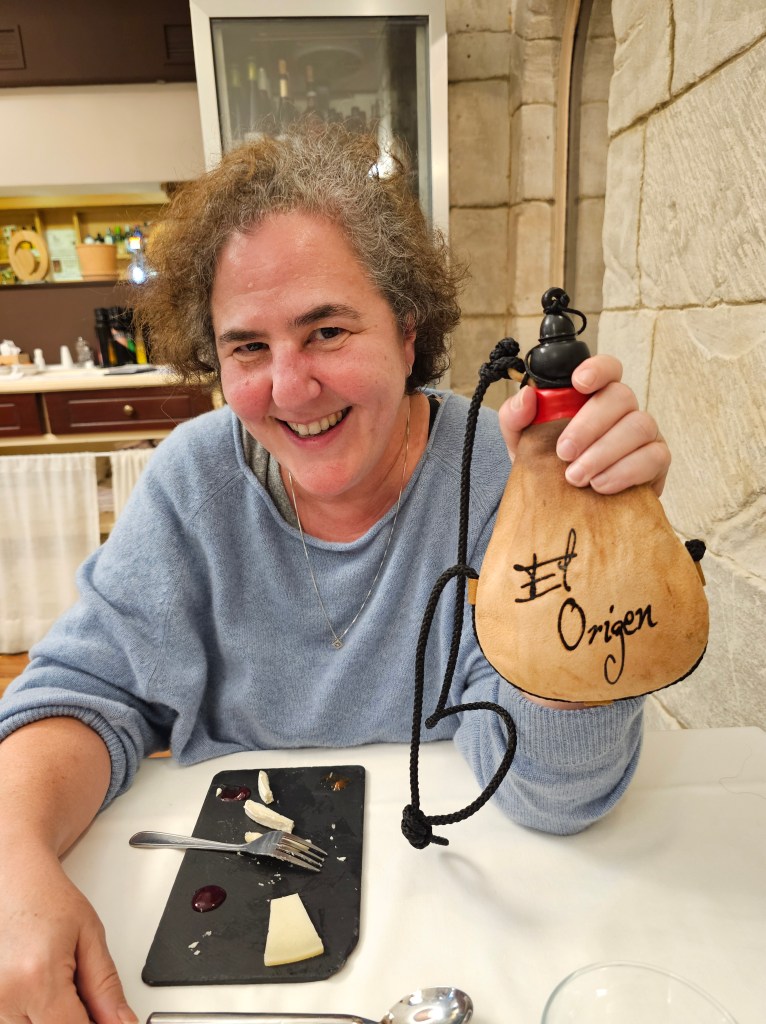
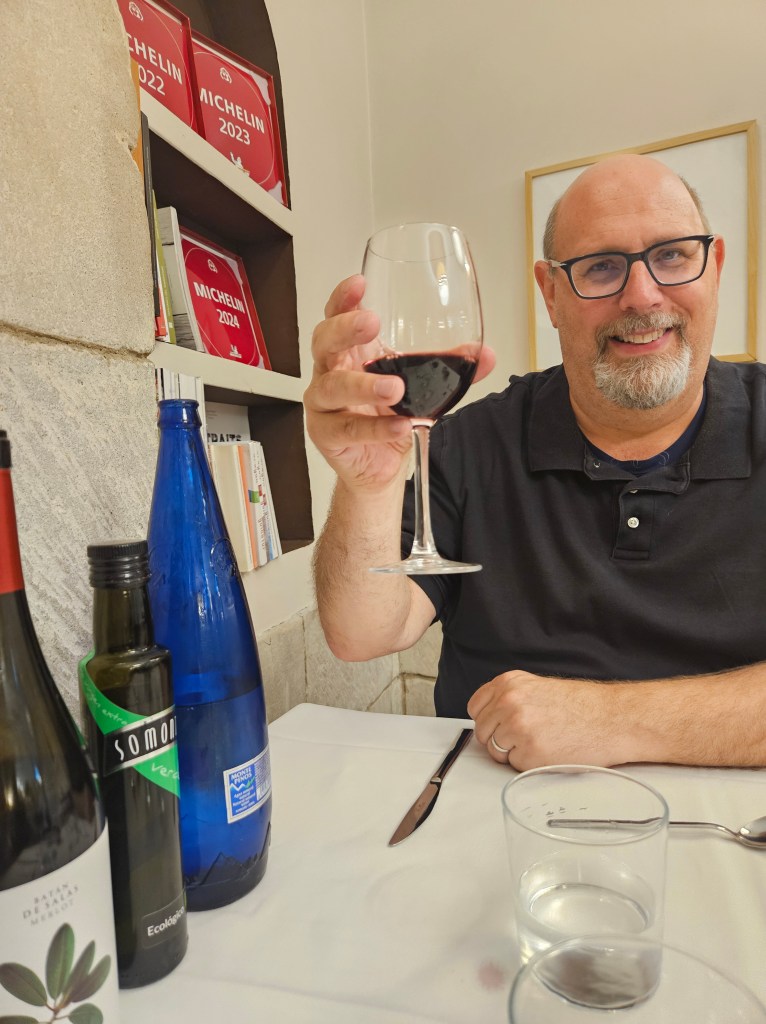
    In the evening, we had the finest meal of our trip so far, the Aragonese fixed meal at Michelin rated El Origen in Huesca. Thoroughly spectacular. We documented only the wine, but there was a tomato dish with carpaccio, codfish stew, a slow-roasted lamb that seemed technically impossible, and a calamari rice that, in further evidence of pigs flying, Emily happily sampled. Plus a cheese course and a dessert course and delicious moscatelo in the flagon Emily’s barely able to hold by the end of the meal.

    We’re off to Oto, up in the Pyrenees, now. More final posts from Huesca soon.

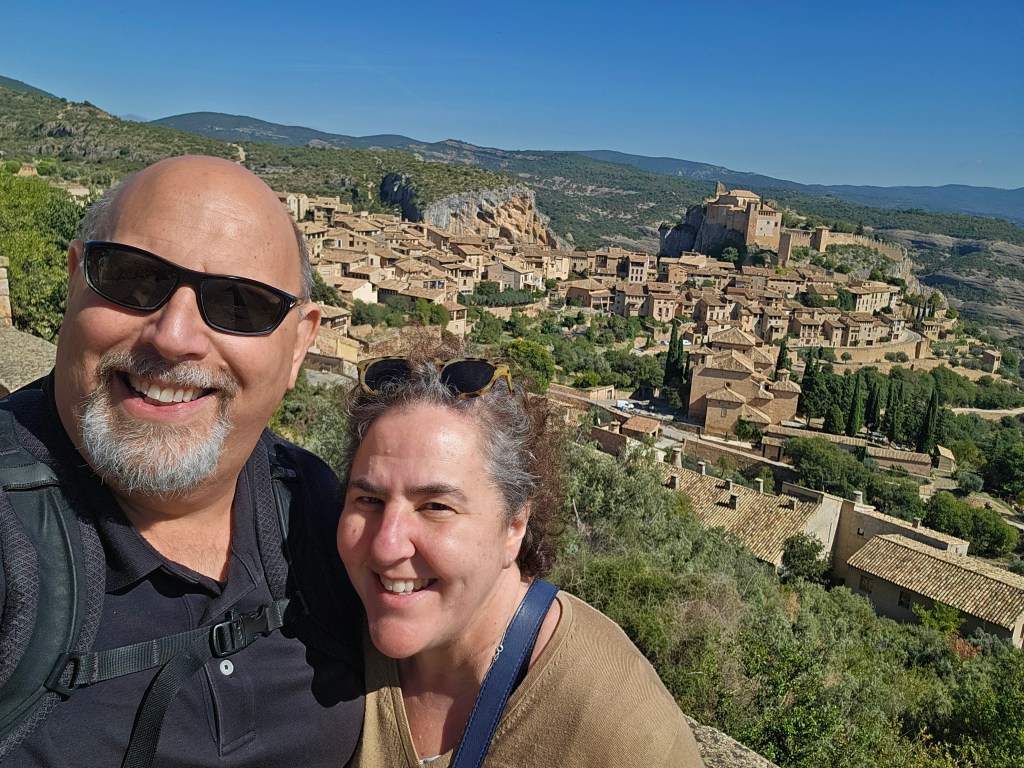
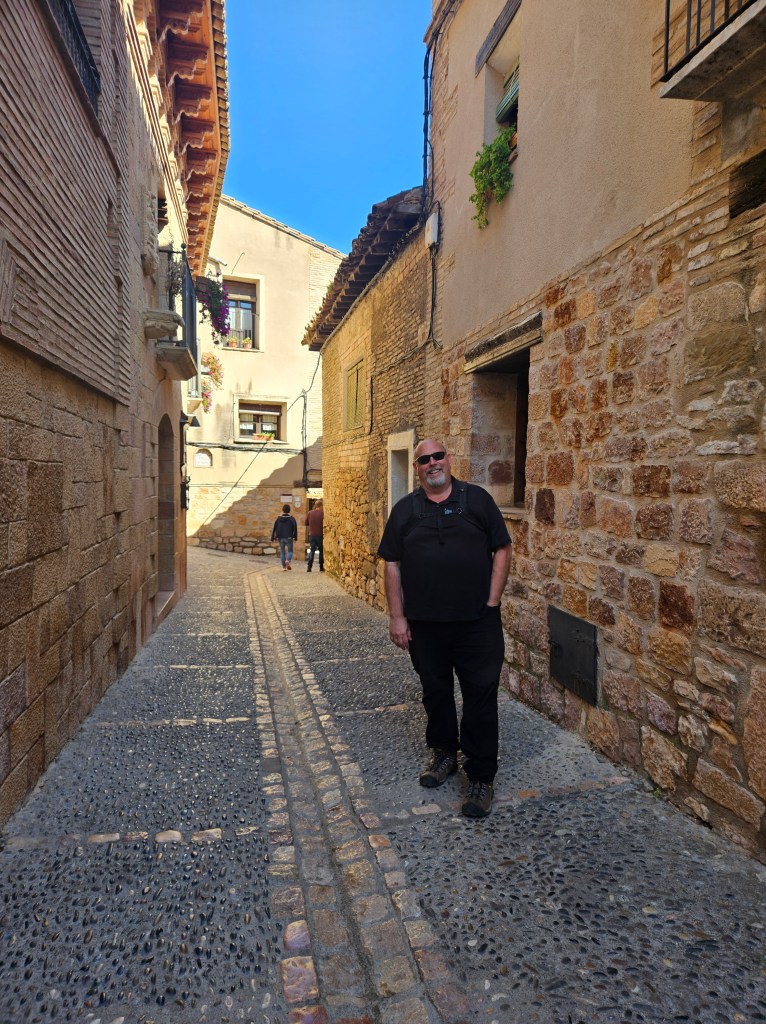
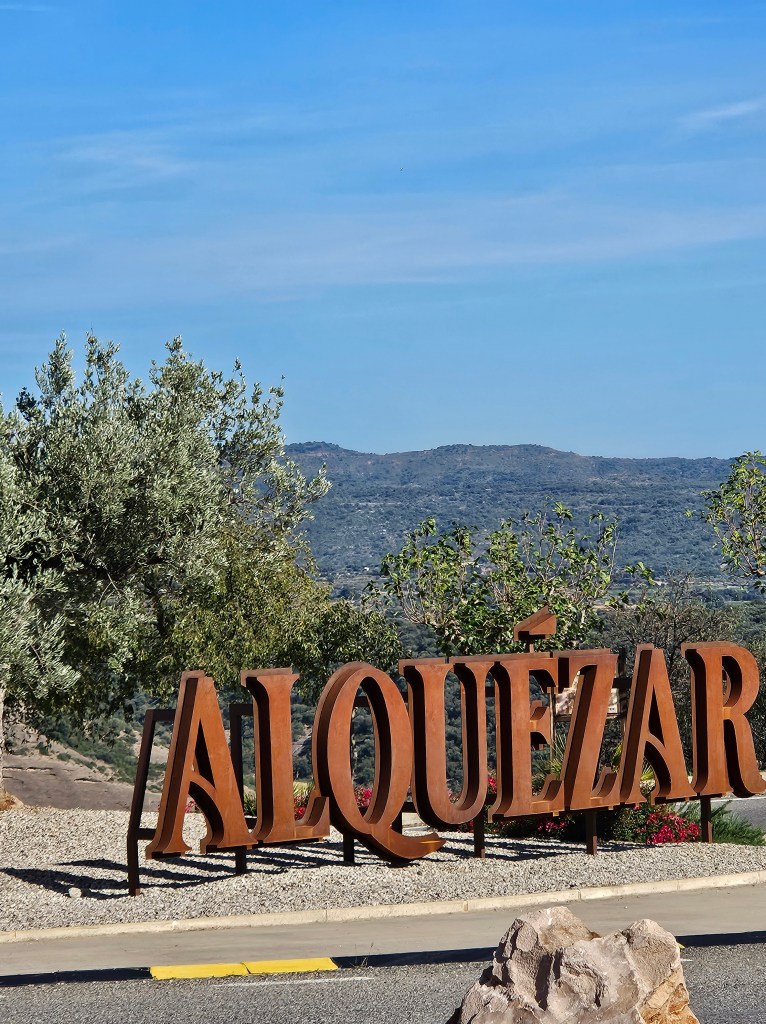
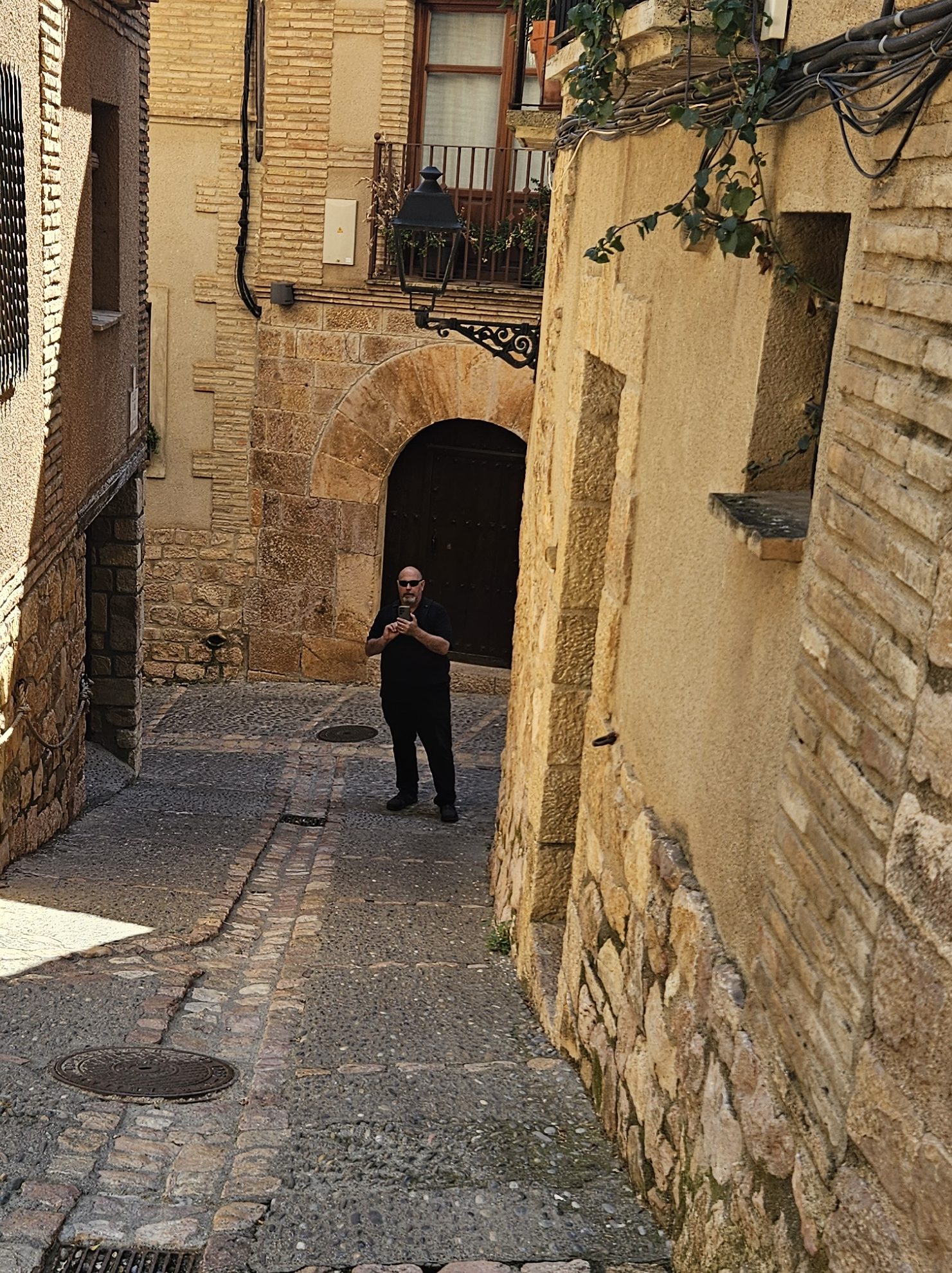
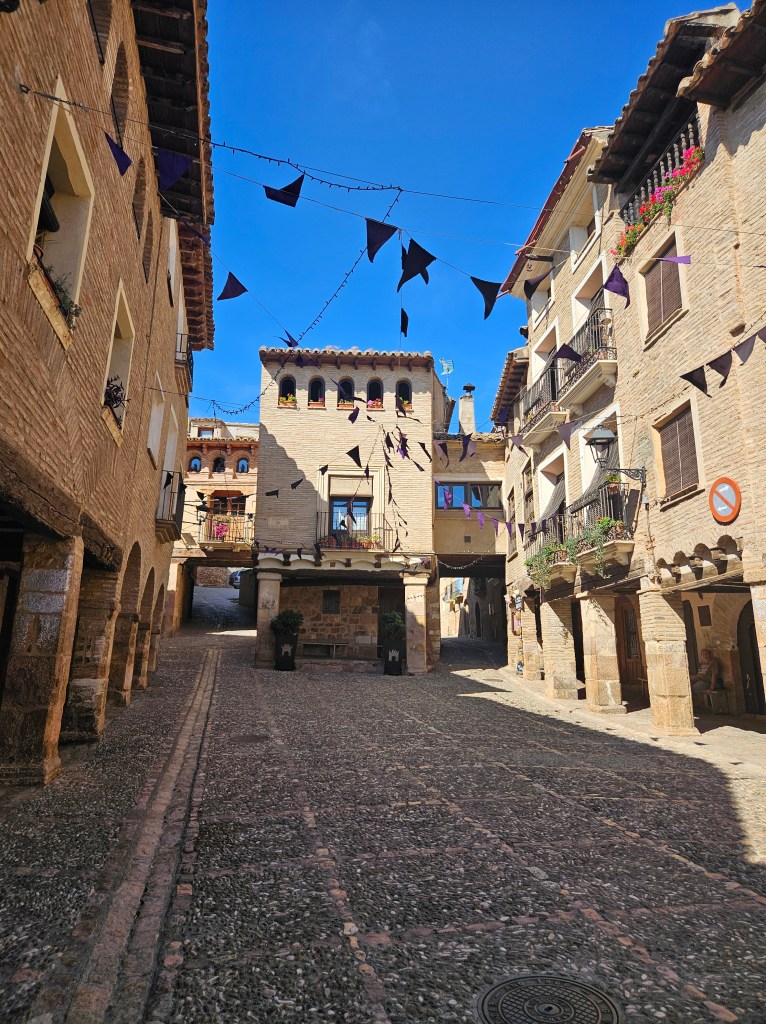
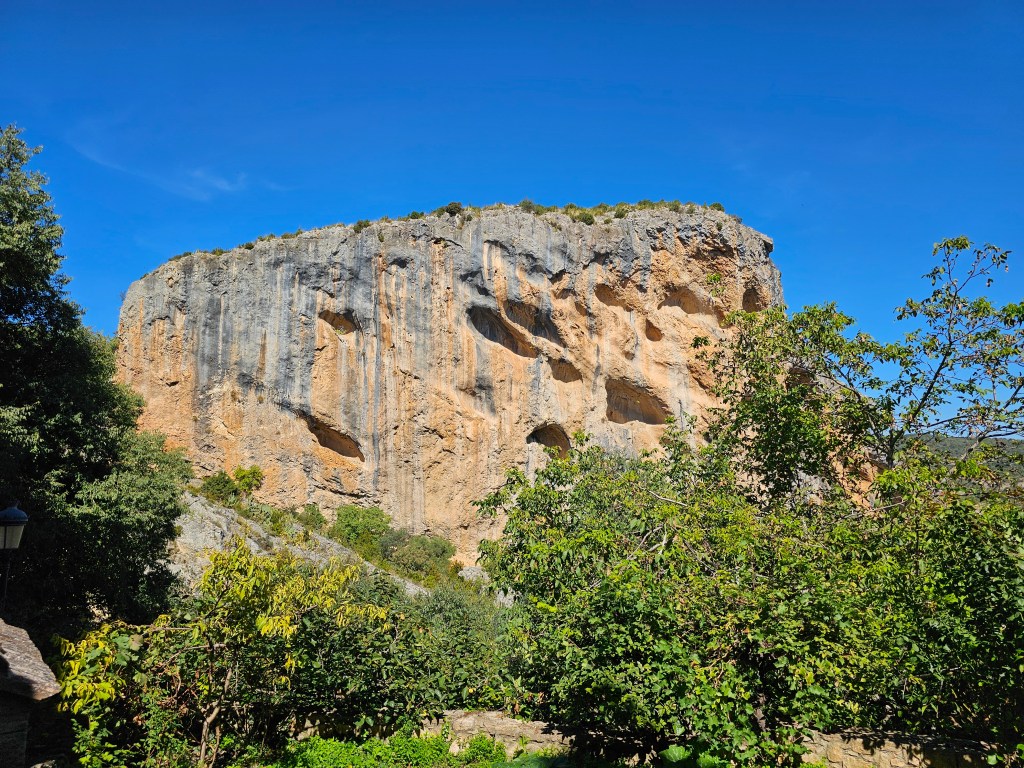
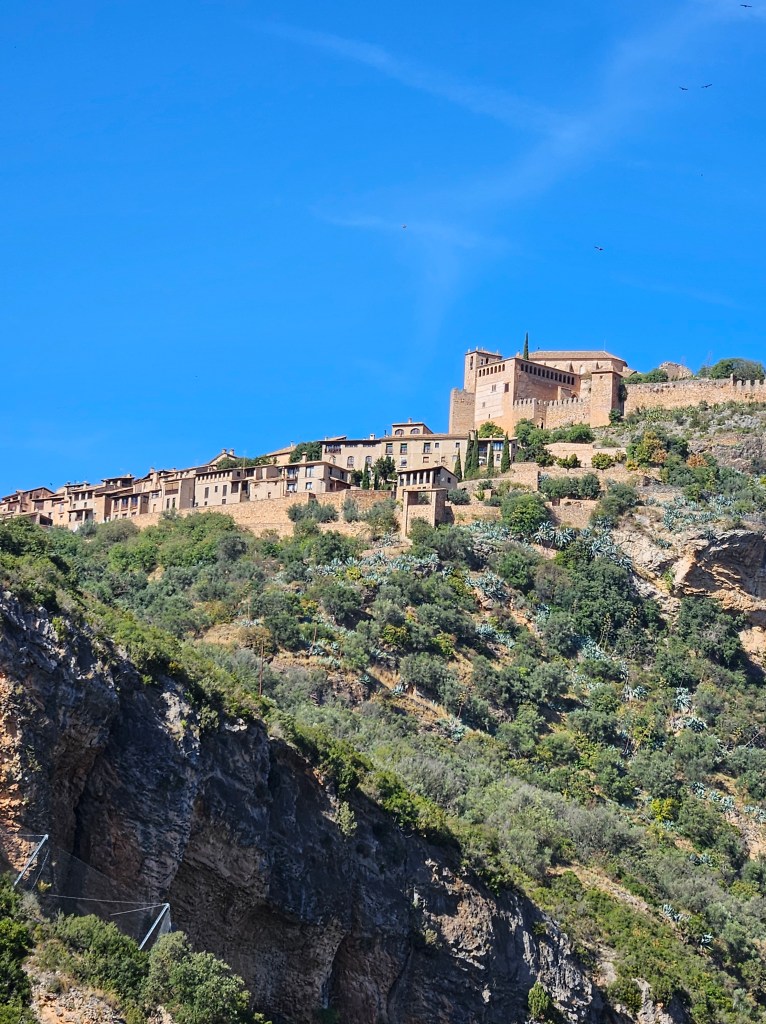
  • A forty-five minute drive to the east from Huesca brought us to the medieval town of Alquézar through which the Rio Vero runs in a deep canyon above the hilltop village.

    It is often on the list of prettiest towns in Spain, whoever makes those lists. We lack contravening evidence.

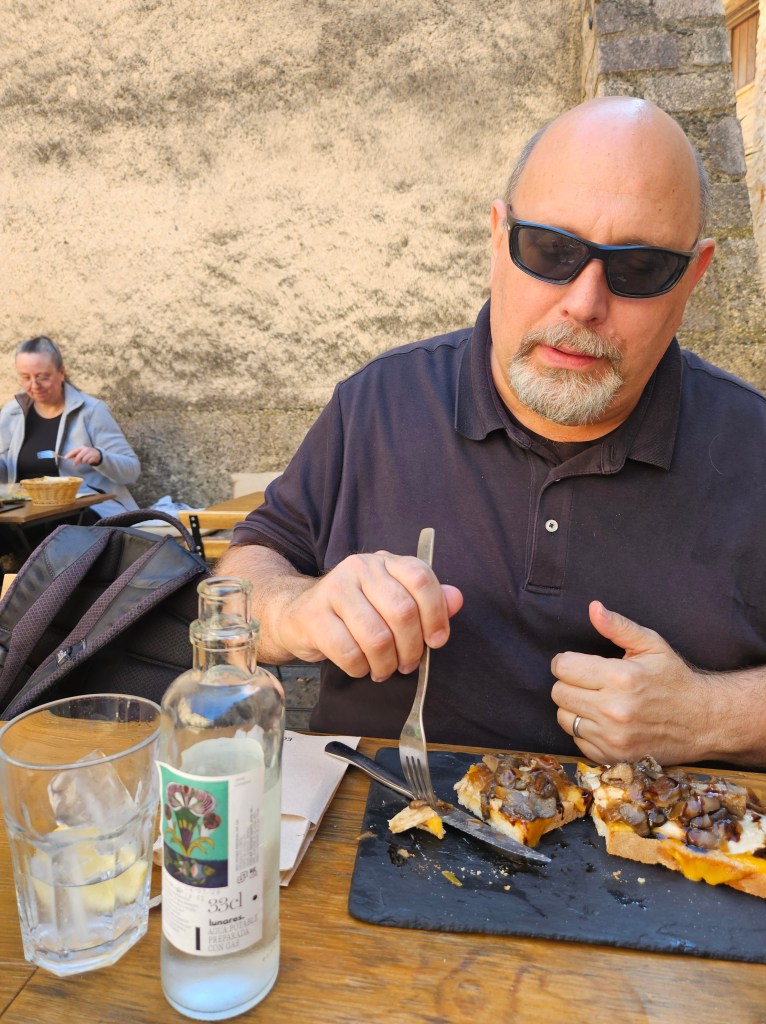
    We stopped for lunch to see pigs fly. (Look closely and you’ll see a pile of mushrooms. Russell ate them all.)

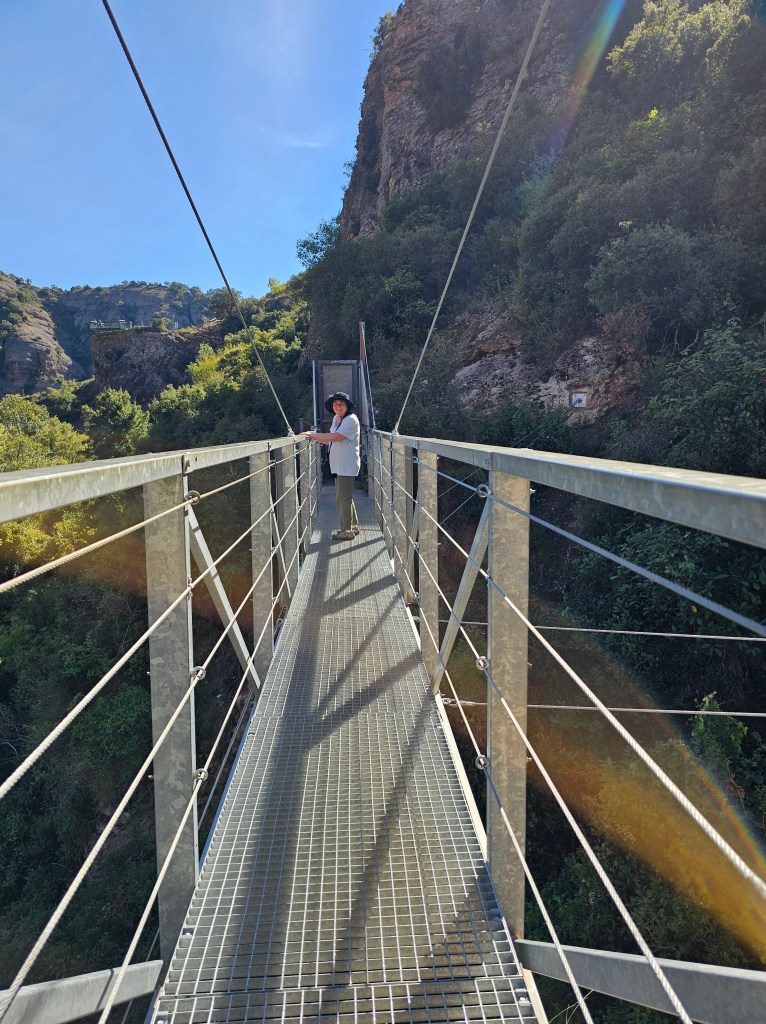
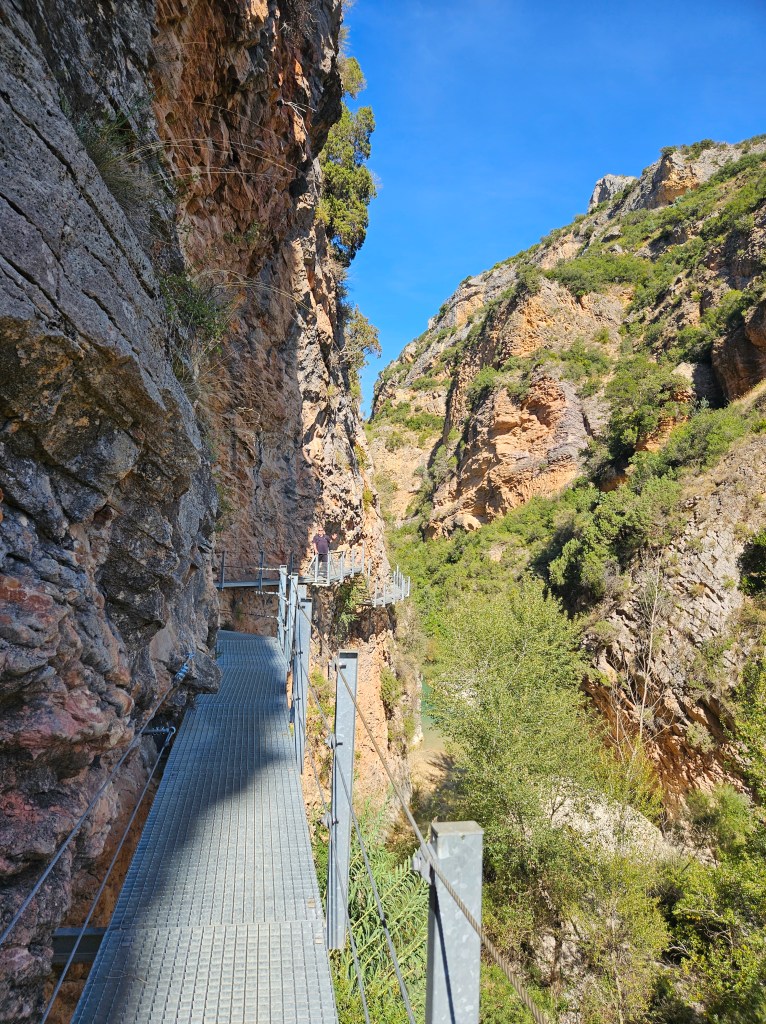
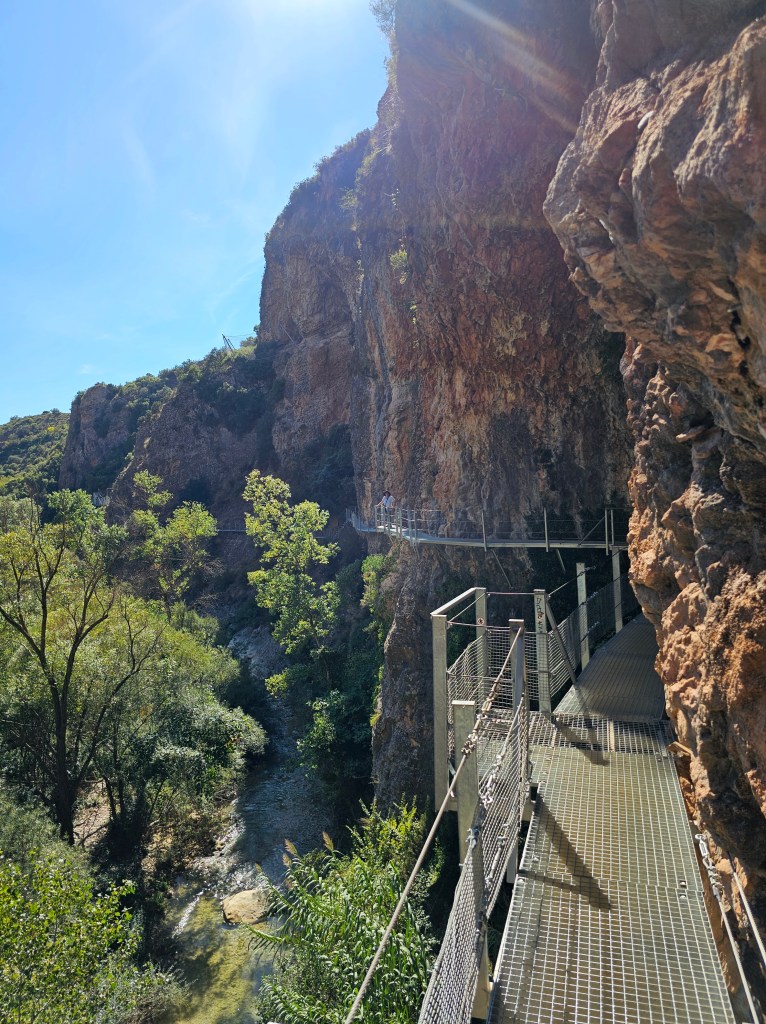
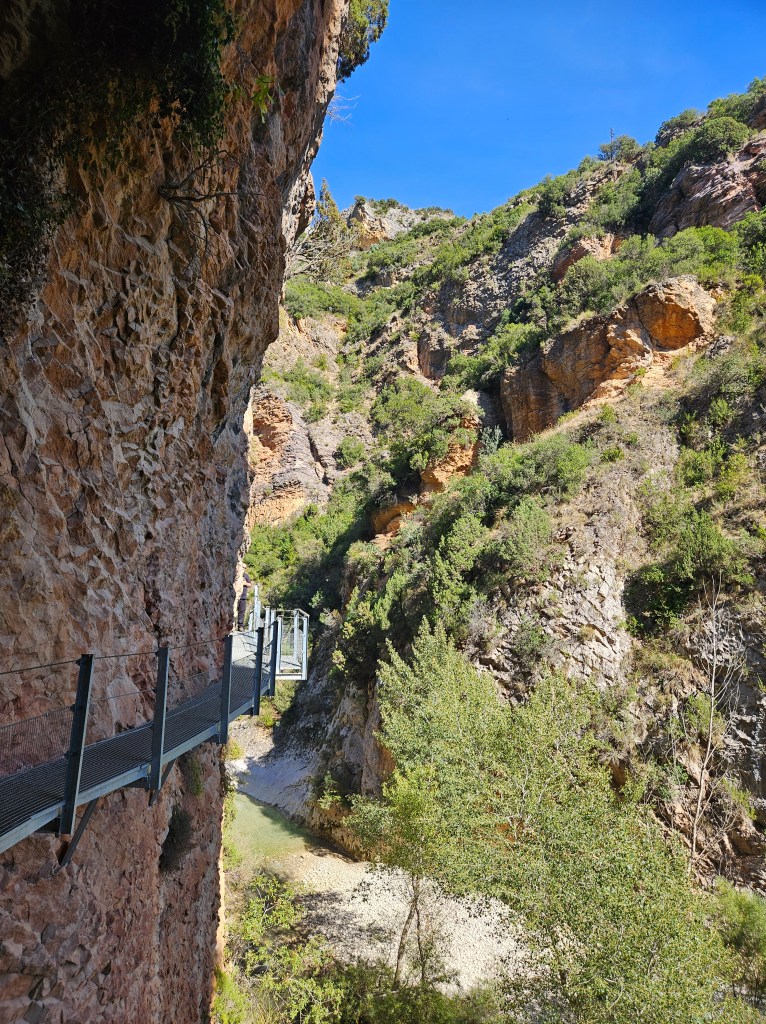
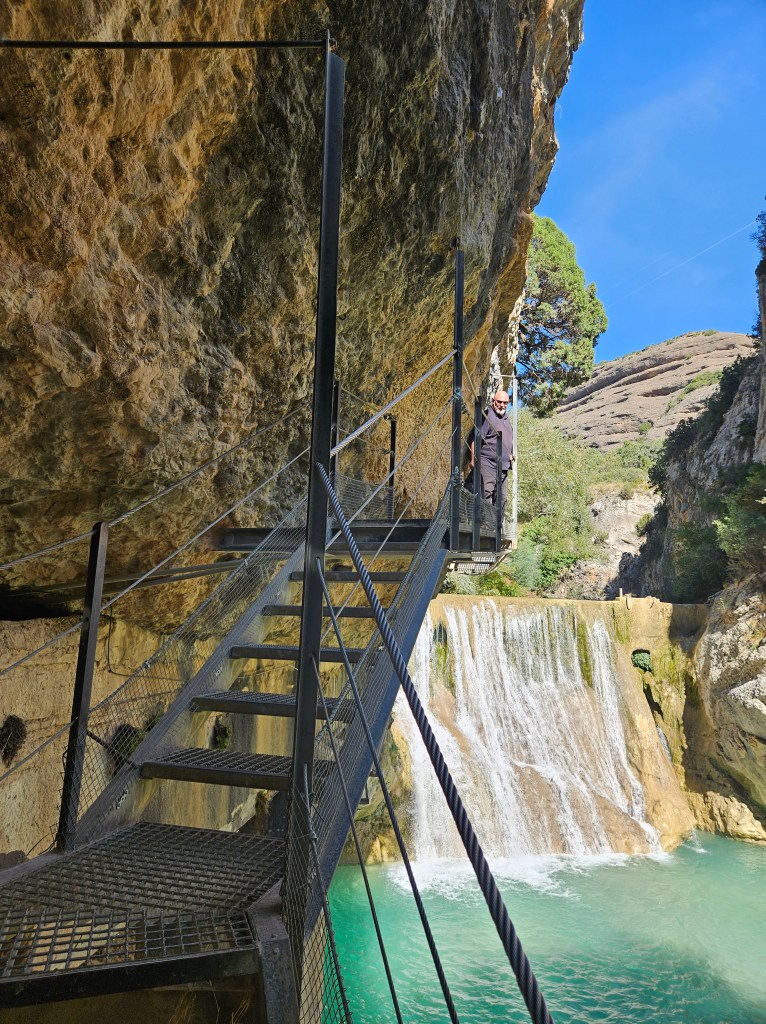
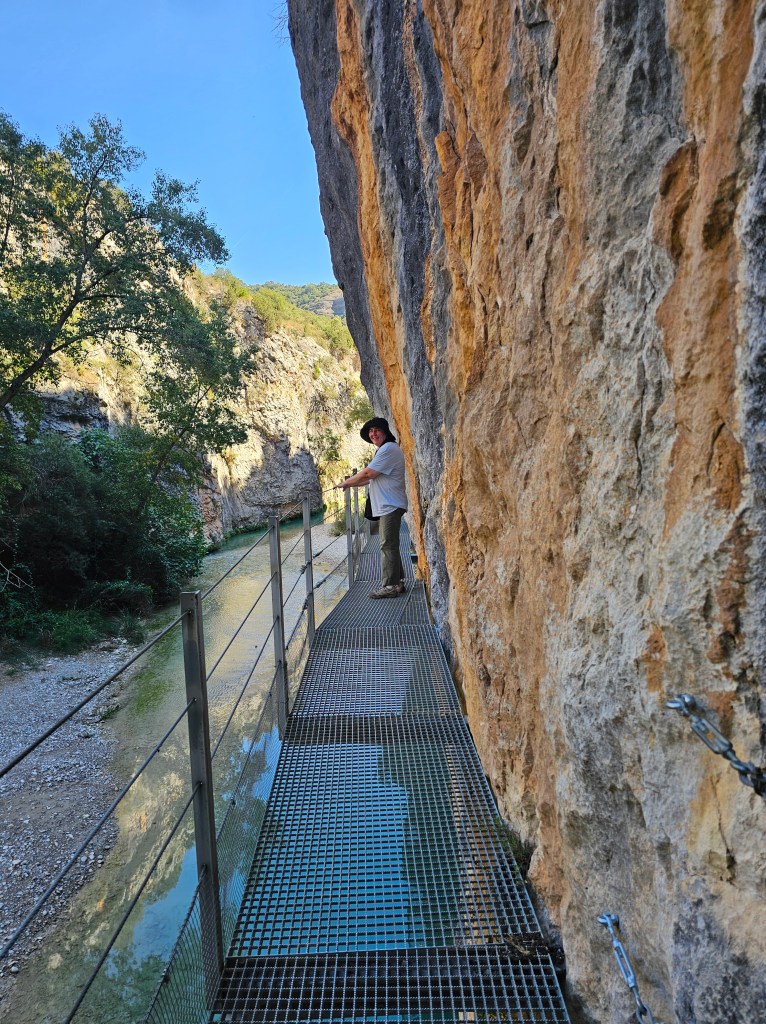
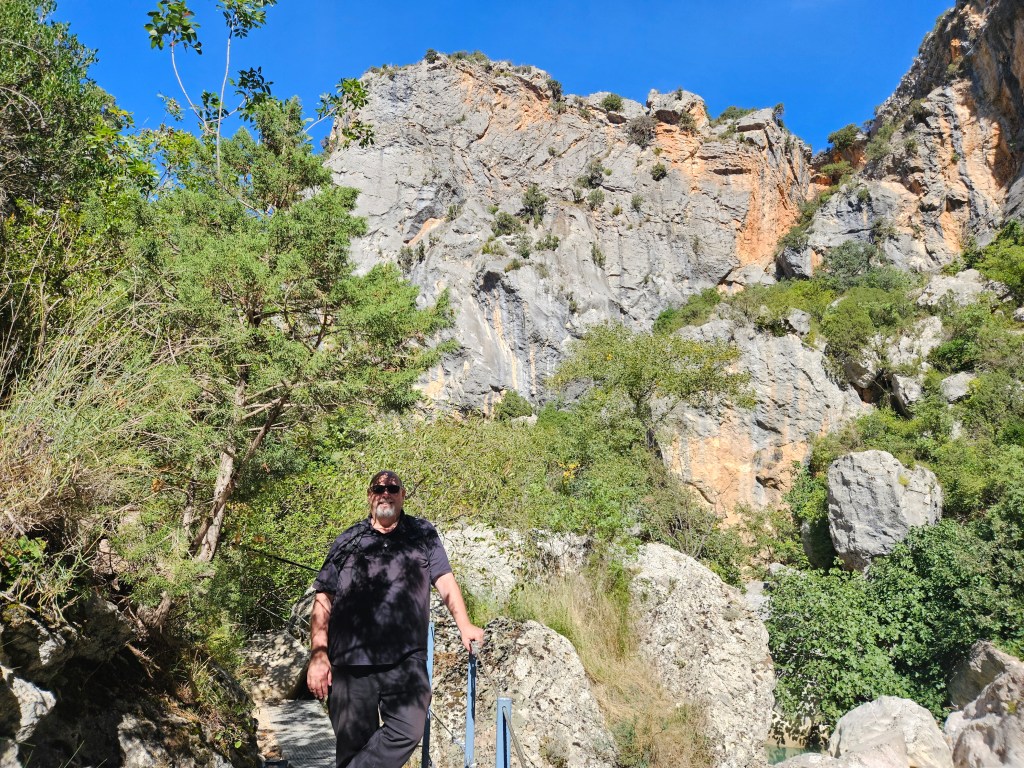
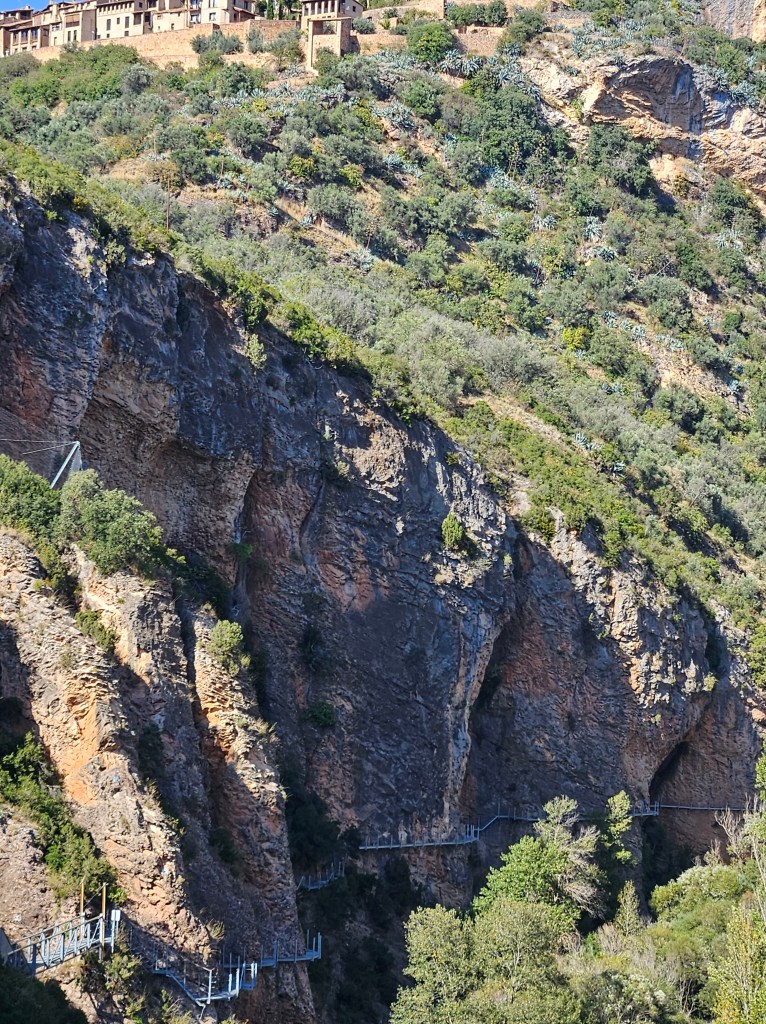
    After returning to the car to get better footwear, we headed down to the Pasarelas. The hike starts by going down steeply on a series of staircases. You then follow the river on elavated metal walkways that are stuck into the rockface, sometimes having to lean and squeeze to get by the rocks. It was only about three kilometers (about two miles) but there was about 600 feet of elevation drop. The hike back up was steep!

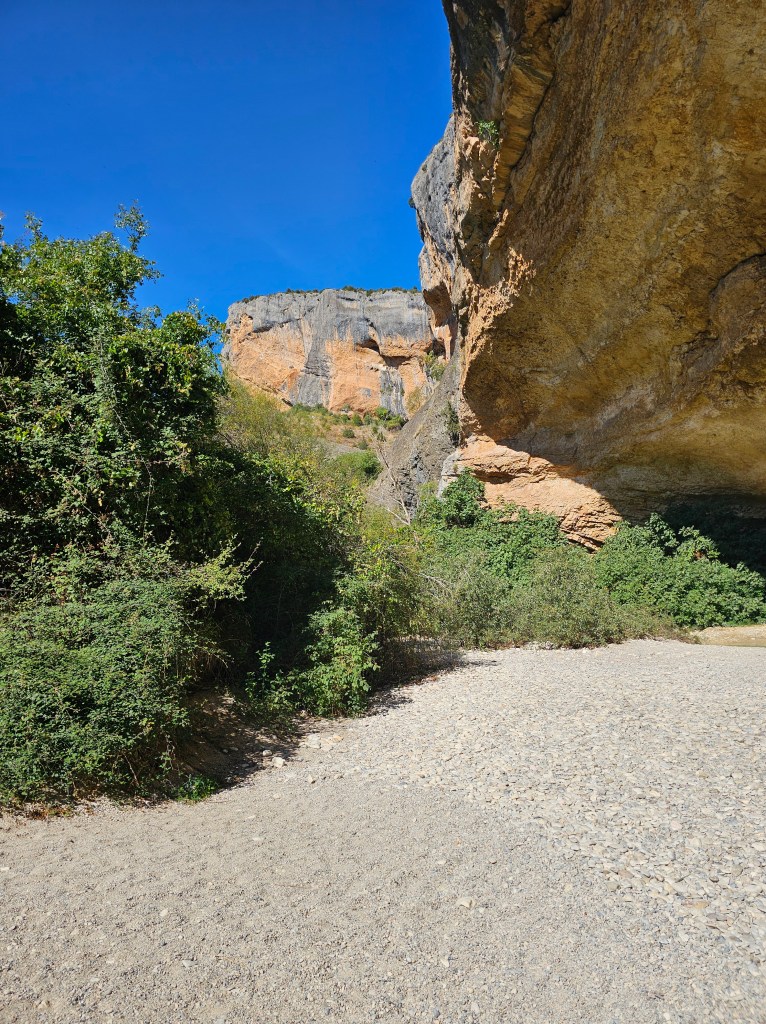
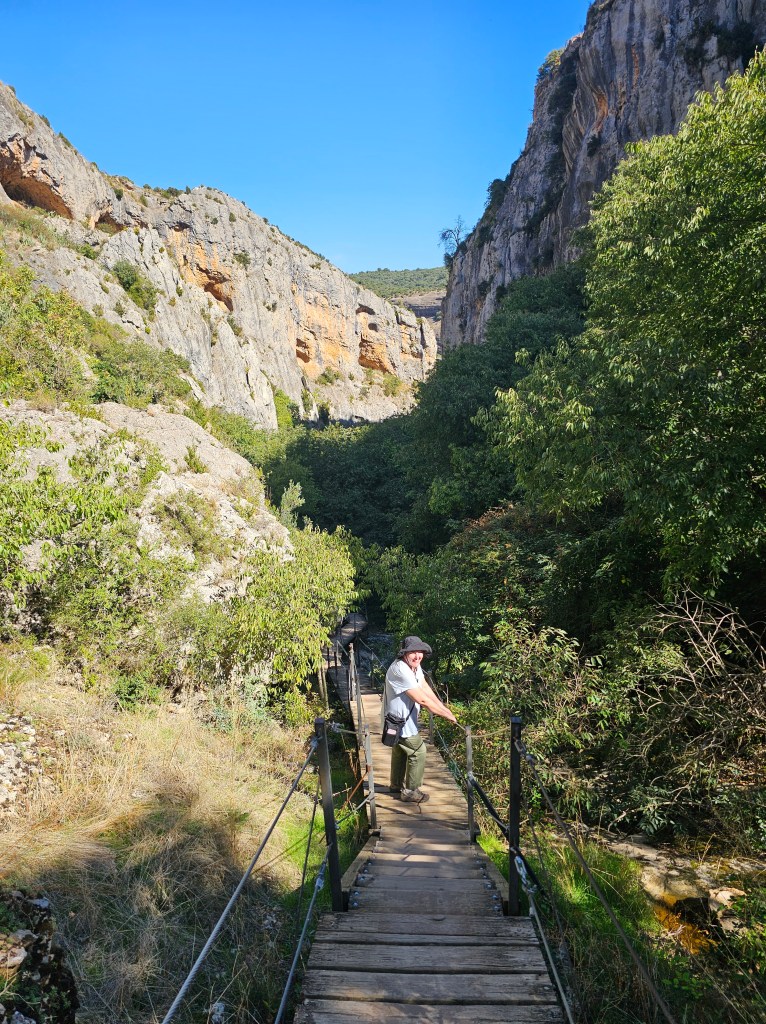
    The canyon was breathtaking. This is a huge tourist site (and you can tell from the warnings and signs that more than one Instagrammer has tried to walk it in inappropriate footwear), but on a weekday visit in the offseason we had it mostly to ourselves.

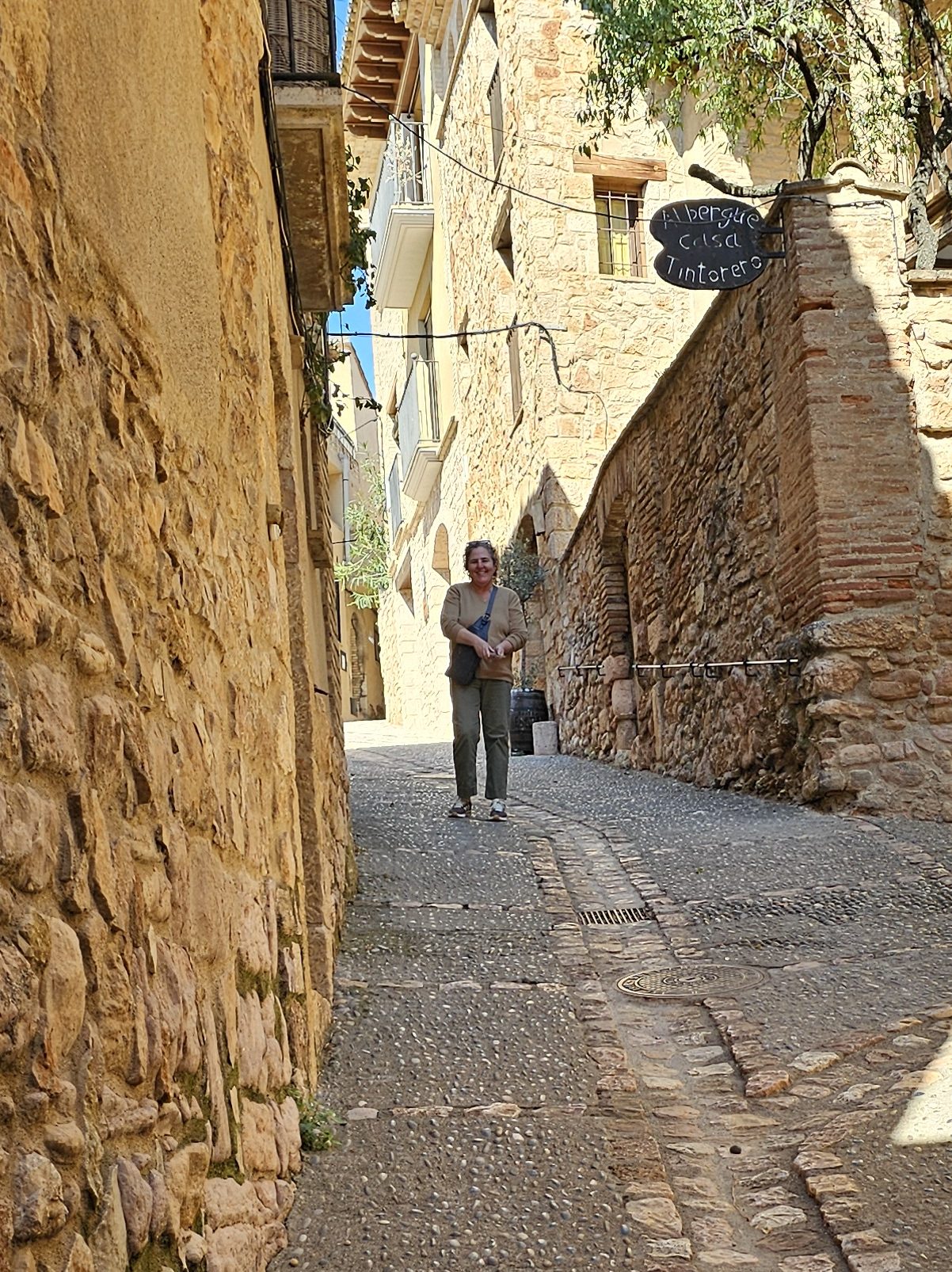
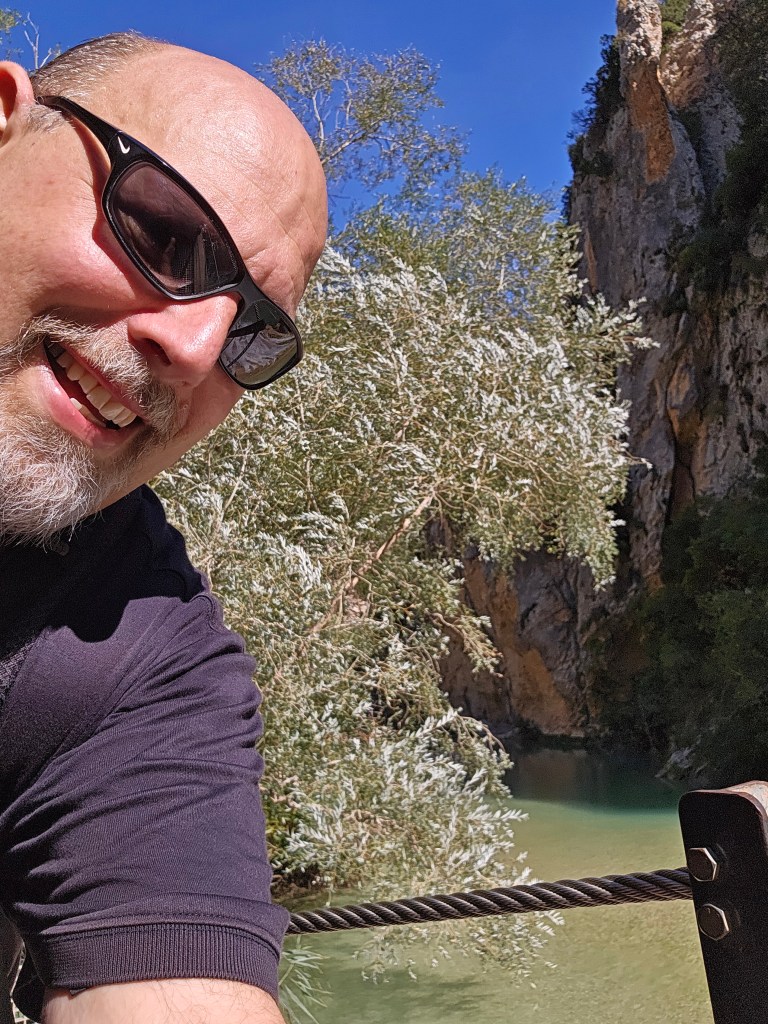
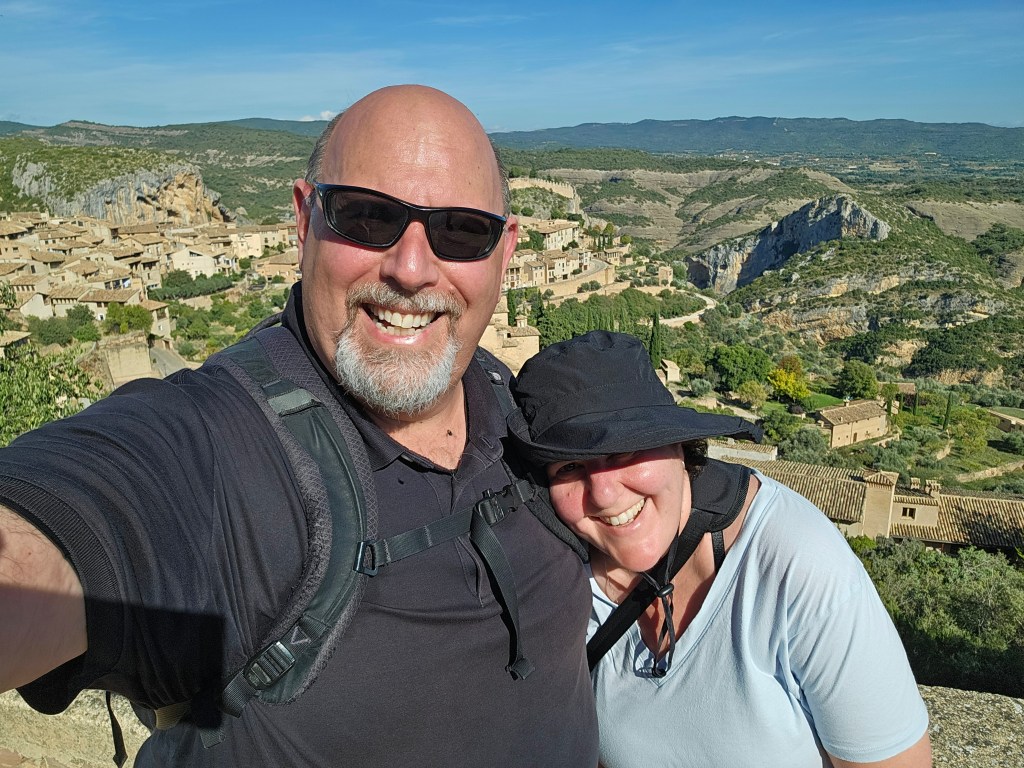
    Here are some more views from the end of the hike. The town is right on the edge of the cliff. The people who called it one of the prettiest weren’t wrong, but after walking up through the canyon and then the vertical streets to get to our car, it didn’t feel so pretty!

    A spectacular day.